For years, critics of education choice have been saying it will unleash an educational apocalypse in Florida. But what’s unfolding isn’t an apocalypse. It’s a renaissance.
“For 25 years we’ve been hearing that the sky’s going to fall,” said Ron Matus, director of research and special projects at Step Up For Students, the nation’s largest education choice scholarship funding organization, which manages 98% of Florida’s K-12 programs. “They have said forever that school choice was going to ruin everything, and instead the exact opposite has happened.”
Matus made his comments when he recently sat down with Ginny Gentles at the Defense of Freedom Institute to share the Florida story and discuss the Sunshine State’s historic influence on family-driven education choice.
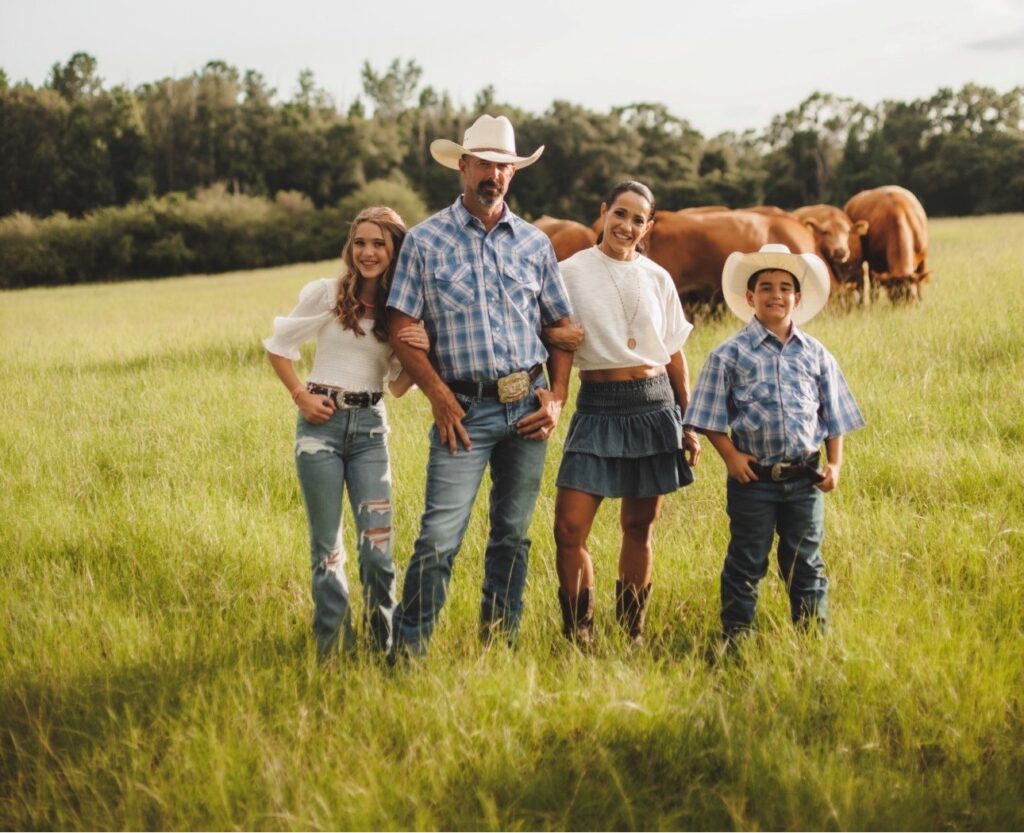
The podcast covers everything from teacher entrepreneurs to à la carte learning to innovative options springing up in rural areas, where many opponents say choice can’t succeed. Matus also cited several schools and providers as examples of thriving innovation happening across the state.
“I think people have these really searing images of Florida in their head. They’ll think of Miami and Orlando and Disney or think about the beaches but don’t realize that between all that there are vast stretches of heartland. There are amazing choice schools throughout all of that.”
When it comes to education, Matus said, surveys show many families want the same basic things, such as safety, academic rigor, and character-building instruction that can be faith-based or secular.
“After that, there are a million different things they want slightly different,” he said. “They may want old-school school — they don’t want any bells and whistles. Others may want a forest school or an outdoor school. That’s where pluralism should come into play.”
All of these are possible in Florida, Matus said, thanks to robust policies that empower families. “In every possible way, public education in Florida has gotten better. So many people did the right thing and moved the ball down the field to build a system where parents have the power to determine the best education for their kids.”

