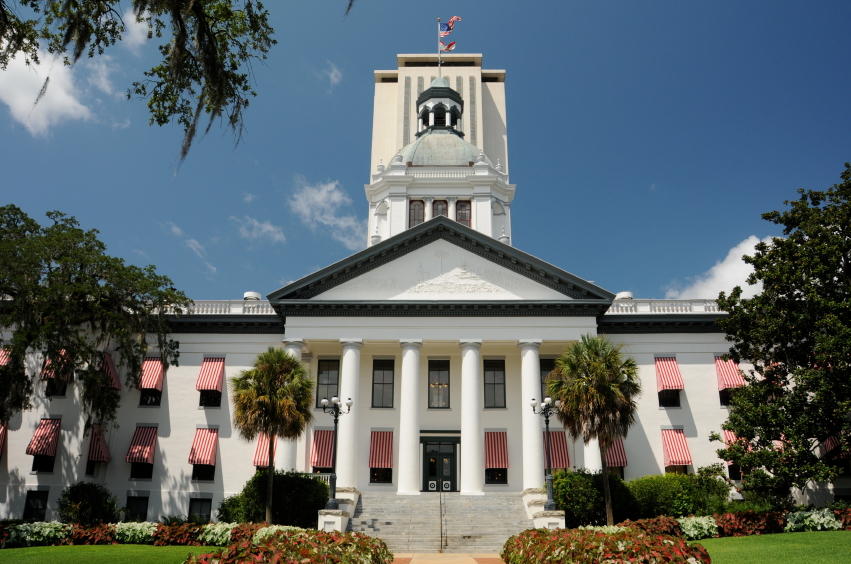
A bill that would grant education choice scholarship eligibility to all K-12 Florida students which state Senate President Kathleen Passidomo called the “one of the most transformative bills in the history of the state,” won final legislative approval today and heads to Gov. Ron DeSantis for possible signature.
HB 1, which the Florida House passed last week, also won final approval in the full Senate by 26-12 vote along party lines with Republicans in support. House Speaker Paul Renner, who made the bill a priority, came to the Senate chamber to watch the vote.
Despite the partisan vote, “this is not a Democratic or Republican issue,” bill sponsor Sen. Corey Simon, R-Tallahassee, said in his closing remarks. “We are funding students in this state. The parents have spoken.”
Opponents expressed concerns about cost, which the Senate fiscal analysis calculated at $646 million, and the House calculated at nearly $210 million due to differing methodologies. The Senate’s proposed budget has set aside $2.2 billion for the program, with $350 million in reserve, according to state Sen. Keith Perry, R-Gainesville, chairman of the Senate Appropriations Committee on Education.
That money would be issued by the state rather than be passed through the state’s school districts.
Like its Senate companion, which senators shelved on Wednesday to consider the House bill, HB 1, sponsored by Rep. Kaylee Tuck, R-Lake Placid, would make all the state’s students eligible for the Family Empowerment Scholarship.
Unlike in the original law that established the Family Empowerment Scholarship program in 2019, the program as outlined in HB 1 would be open to all students regardless of income. However, families who currently receive scholarships and whose incomes fall below 185% of the federal poverty line would receive first priority, followed by those with incomes up to 400% above the federal poverty line.
Those with incomes above the 400% threshold would be last in line to receive any remaining funding.
Another provision in HB 1 requires that funding for the formerly income-based scholarships would first have to come from private tax credit donations that were previously used to fund the Florida Tax Credit Scholarship program before receiving money from state education funds.
In addition to expanding eligibility, HB 1 would convert traditional scholarship programs into education savings accounts. Such accounts take funds that would have been directed to an institution and allow parents to use them to customize their child’s education.
Under the bill, the funds, expected to be around $8,000 per student depending on residency, can be spent on approved instructional costs, tutoring and fees for various exams in addition to private school tuition.
In addition, HB 1 also extends eligibility to homeschooled students, who would be classified separately from those whose families choose not to participate. Participating families would be under a “personalized education program” and would have to submit to an annual “sworn compliance statement” that would include various requirements such as taking a nationally norm-referenced exam or statewide assessment and report the results to the school choice funding organization.
(Step Up For Students, which manages the majority of state education choice scholarship programs, hosts this blog.)
The bill also would increase funding for the Family Empowerment Scholarship for students with Unique Abilities to eliminate the wait list, which currently stands at more than 9,000.
Besides expanding options for students, the bill also would relax some district school regulations identified by the Florida Association of District School Superintendents.
For example, the bill reduces hurdles to a five-year temporary teacher certification for anyone with a bachelor’s degree and for those with two years of effective or highly effective service. The bill provides flexibility to school districts in setting salary schedules.
The bill repeals the requirement that public school students have one online credit to graduate from high school, which is not currently required in private schools. The bill also offers districts flexibility in facility costs for new construction and allows school districts to transport students in large vans as opposed to school buses if needed.
Simon said it’s important to remember how the bill benefits public schools.
“We are funding our public schools,” said Simon, whose wife teaches at a Title 1 public school. “My Democratic colleagues would not have a problem if this bill were $650 million or $6 billion if it were going to the public schools What they have a problem with is that this is the choice of the parent. That’s what they have a problem with. It’s not okay.”
Simon, who said his mother moved him to another public school so he could have a better education, called the bill “a passion” and noted that some lawmakers who oppose it have their children in private schools.
“That’s problematic,” he said. “What we’re seeing is my colleagues saying, ‘we know what’s best for your kids’ … What this bill does is we put that back in the parents’ hands.”
Simon recalled the history of education choice in Florida, which Gov. Jeb Bush led more than 20 years ago.
“How did we get here? Well, I can tell you,” he said. “We got here because for a time, we were okay with poor kids in poor neighborhoods staying in poor schools. And then we started to smarten up a little bit, and we said well, maybe we could help a little bit; maybe we should do something for those poor kids in their poor neighborhoods in those poor schools …
“Now is not the time to stop. We’re going to put our foot on the pedal, and we’re going to continue to push forward as we start the process of re-envisioning the education of our kids. And who’s going to be driving the bus?
“Our parents.”
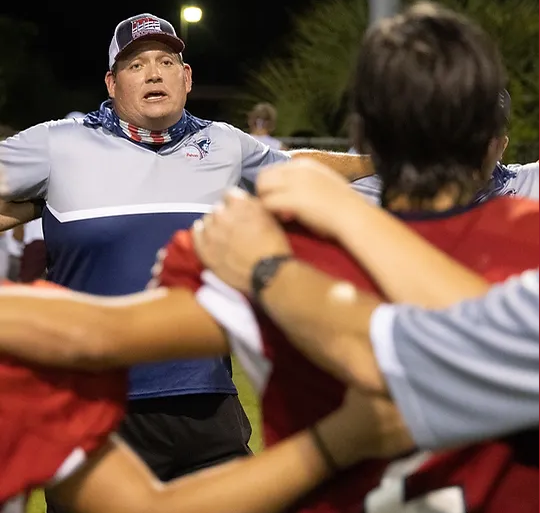
The Master’s Academy football program seeks to improve players’ God-given talents, teach them how to be team players, and learn valuable life skills through the sport of football.
While transformational bills to expand education choice eligibility have taken center stage during the Florida legislative session, other measures that would affect those already participating in choice programs also are under consideration.
Some may not make it to the finish line before the end of the eight-week session, but at least one measure is already on track for approval.
Companion bills HB 225 and SB 190 would allow charter school students to play on private school sports teams and participate in private school extra-curricular activities. Current law already allows homeschooled students to do this, and these bills would extend the same provisions to those who attend charter schools.
A recently approved amendment in the House Choice and Innovation Subcommittee also extended the provision to students enrolled in Florida Virtual School.
Under current law, if a specific program isn’t available at a charter school, the only option for those students is to sign up for it at their zoned district schools. The proposed legislation would let charter students choose between the district school and or a nearby private school through a special agreement.
SB 190 is set to be heard on the Senate floor starting at 1:30 p.m. Thursday; HB 225 won final approval in that chamber on Friday and was sent to the Senate, where it is now in the Senate Rules Committee.
The bills were inspired by an incident last year in Vero Beach, in which a group of charter school students were forced off the Master’s Academy varsity football team in the middle of the season of their senior year after someone complained.
The arrangement had been going on for years based on an interpretation of the law allowing homeschoolers to play for private schools. The Sunshine State Athletic Conference also overturned all of Master’s Academy’s victories at that point, though the private school ended up winning the championship.
“We were heartbroken,” Wayne Smith, the head of schools at Master’s Academy, told Florida Politics in January. “It hurt us, but more than that, it hurt these charter school boys who had nowhere else to play, nowhere else to go, and suddenly they were without a team — kicked off a winning team, nonetheless.”
Smith, whose school has 45 high school students, said the charter students would be unlikely to make the team at their district high schools, “So, they come to us.”
State Sen. Erin Grall, a Republican whose district includes Vero Beach, sponsored SB 190 and said the legislation would create consistency among all students who participate in different forms of education choice.
“The parent makes the decision not to send their child to the public school they’re zoned for and instead chooses to send their child to a charter school,” she said. “This lines up the homeschooling statute with the charter school statute … to fix it and make it more clear.”
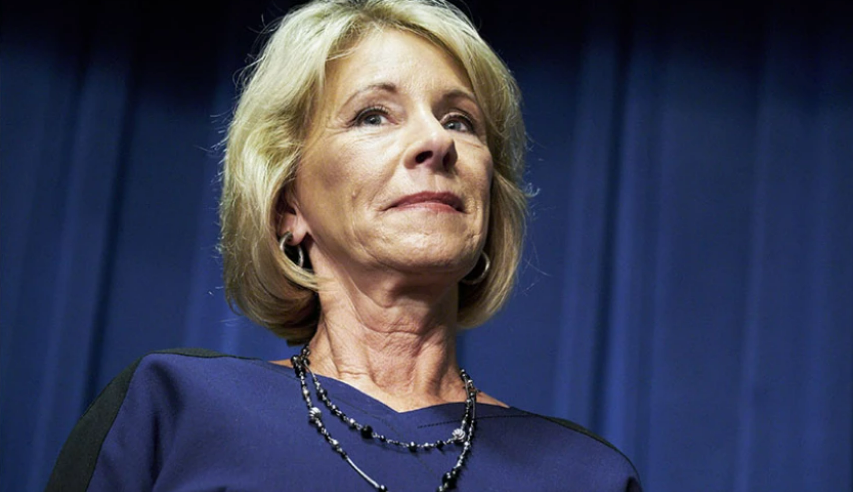
Former Trump administration official Betsy DeVos, following passage of a sweeping universal school choice bill in the Florida House on Thursday, stated that politicians opposed to the bill were on "the wrong side of history."
Editor’s note: This article appeared Friday on foxnews.com.
Every parent in Florida could soon be eligible to use state funds to send their children to the school of their choice, thanks to a historic universal school choice bill passing in the state legislature on Thursday.
Florida's House Bill 1 expands school choice in the state by eliminating income requirements to the current scholarship system, but still gives preference to low-income families. Universal school choice is growing in popularity across the United States, with Florida becoming the fourth in the nation to pass such legislation in the past year. A similar bill was passed in Iowa last month.
School choice advocates praised the monumental move saying it freed students from a broken system.
Former Education Secretary Betsy DeVos said Florida was leading the way in education freedom by "empowering parents" and giving students "better options" in their schooling.
"There’s a reason the bill has bipartisan support and limited opposition: Florida’s families know school choice works. They’ve watched it in action for decades, and they’ve seen students thrive and schools improve," she said.
Students in Florida and other states are "no longer hostages to an outdated, broken system," DeVos added.
The former Trump administration official claimed that politicians opposed to the bill were on "the wrong side of history."
Fight for Schools' executive director Ian Prior said the bill allowed parents who feel "trapped" by public schools "that are more intent to push a political agenda" now have more of a say in their child's education.
"Expanding school choice is fundamental to empowering parents to tailor the best education for their children, regardless of zip code. This is a great leap forward towards a better education system for Floridians," Prior added.
To continue reading, click here.
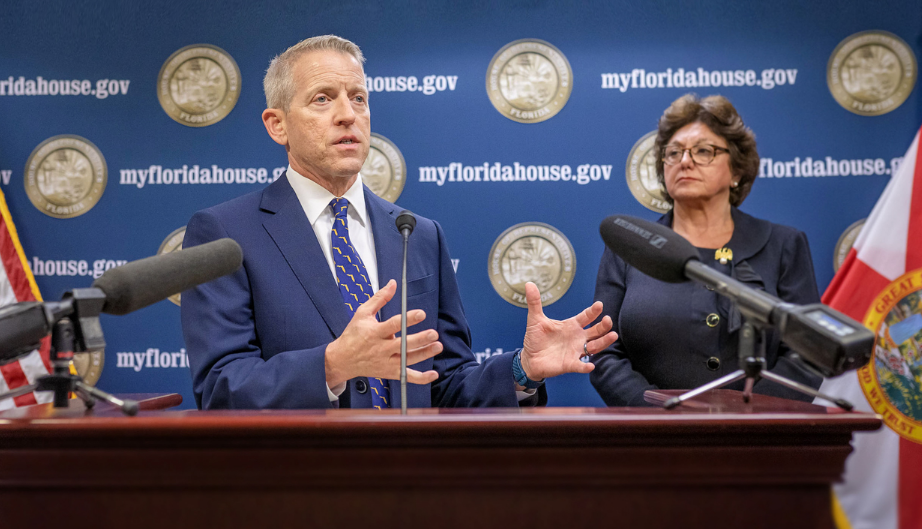
House speaker Paul Renner, R-Palm Coast, remarked that the legislation “will forever change the course of education in Florida.”
Editor’s note: This article appeared earlier today on politicopro.com.
Republicans in the Florida House passed a landmark universal school choice bill Friday that would give every K-12 student statewide access to a voucher for attending private school.
A 83-27 vote put Florida on the cusp of joining states like Arizona and Iowa in widely expanding access to private school, a priority of Republicans who are pushing to strengthen parental rights in education.
Democrats in Florida have fought against the legislation, which lawmakers sped through committees by week two, claiming it would give “millionaires a coupon” for private schools that are under looser regulations than traditional public schools.
“I didn’t hear one [Democrat] in the back row say that they were against choice, because they know choice works,” said state Rep. Ralph Massullo (R-Lecanto), who chairs the House’s top education committee. “Choice is important … because we’re all unique, we’re all different. Each child has their own abilities, their talents, their interests. And there’s no one better to recognize those than the parents."
The legislation, FL HB1 (23R), would expand education savings accounts for students participating in the state’s Family Empowerment Scholarship, opening the vouchers to all K-12 students regardless of how much money is brought in by their household. Currently, these scholarships are available to students whose families earn no more than 400 percent of the federal poverty level, which is $120,000 for a family of four, a rate that by law can increase annually.
A top priority of House Republicans, the proposed growth could add potentially tens of thousands of students to the state’s voucher enrollment, whether they leave a traditional public school, already attend a private school without a scholarship or even are homeschooled.
After the legislation passed, House speaker Paul Renner (R-Palm Coast) said the proposal “will forever change the course of education in Florida.”
To continue reading, click here.
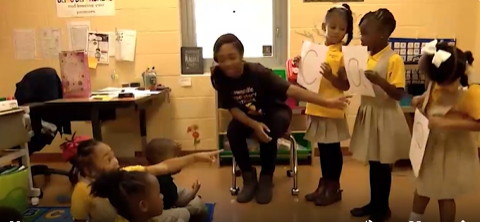
Brownsville Preparatory Institute in Tallahassee, Florida, offers children the opportunity to learn and grow in an environment that promotes self-confidence, social competence, and a lifetime love of learning. The school assists families financially by accepting the Florida Tax Credit Scholarship.
Editor’s note: Among those who came prepared Thursday to speak to Florida lawmakers in favor of legislation that would make education choice more flexible for families were two parents whose children have benefited from the Florida Tax Credit Scholarship. Lance Ball and Rebeka Joseph, both of Tallahassee, want legislators to create education savings accounts to further expand options.
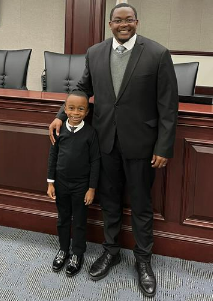
Lance Ball and his son Ian
Hello, Chair Broxson and members of this committee. My name is Lance Ball, and I live here in Tallahassee. My son Ian is a kindergartener at Brownsville Preparatory Institute. I’m here today to ask you to support this great bill expanding educational choice options.
Ian receives the Florida Tax Credit Scholarship. My wife and I are state employees and would not be able to afford the tuition without the help of the scholarship. We are “all in” on his education and are constantly thinking about new ways to sustain Ian’s love of learning.
We love Brownsville and the growth we’ve seen in our son since the beginning of the year. If the scholarship had flexibility in how its money could be spent, we would love to use it for things like afterschool academic enrichment programs. The scholarship has been a tremendous financial help to our family, and it’s setting Ian up for his bright future.
I ask that you make the current scholarship programs into education savings accounts, giving families like mine more flexibility in how they spend their children’s education dollars.
Thank you.
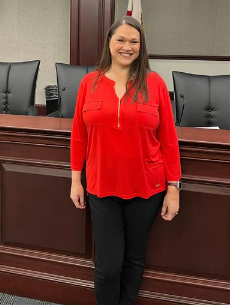
Rebeka Joseph
Good day, Chair Broxson and members of this committee. My name is Rebeka Joseph, and I live here in Tallahassee. I support Senate Bill 202 and want to share our family’s education choice story.
My twin daughters Eva and Leah are in the first grade at Cornerstone Learning Community. They both have Type-1 Diabetes. I chose Cornerstone because my daughters have compromised immune systems. They can’t attend just anywhere. At Cornerstone, we have a smaller population of students and staff and policies that make me feel comfortable sending my daughters there.
We receive the Florida Tax Credit Scholarship, and without it, we would not be able to afford tuition ourselves. Eva and Leah love Cornerstone and receive excellent one-one-one attention. I feel comfortable knowing they are safe, nurtured, and looked after closely at the school, so we don’t have to worry as much about their health and safety. Having more flexibility in how we spend their scholarship dollars would be a significant bonus.
Please pass this great bill so more families like mine can have more options in finding the best learning environment for their children that meets their unique needs.
Thank you.
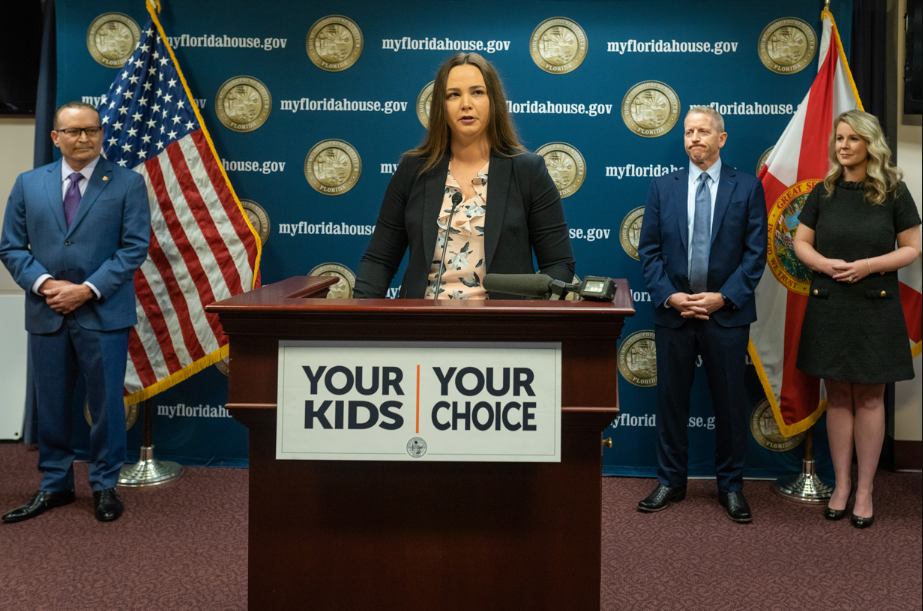
Choice & Innovation Subcommittee Chair Rep. Kaylee Tuck, R-Lake Placid, in January filed HB 1 to provide access to education savings accounts, expand eligibility to children with unique abilities, and increase access to innovative education resources, allowing parents to customize their child’s education.
Editor’s note: This article appeared today on newsserviceflorida.com.
The Florida House is on the cusp of passing a massive expansion of school-voucher programs that would make every student eligible to receive taxpayer-backed scholarships, while the full Senate is poised to consider its version of the bill.
A disagreement, however, has continued to simmer about the costs of the proposals, with House and Senate estimates differing by hundreds of millions of dollars.
The House took up its version of the bill (HB 1) on Thursday and positioned it for a likely vote on Friday. The Senate version (SB 202) cleared its final committee Thursday and is ready to go to the full Senate.
Under both proposals, families would be eligible to receive vouchers if “the student is a resident of this state and is eligible to enroll in kindergarten through grade 12 in a public school in this state.” Current voucher programs include income-eligibility requirements.
The bills would make another significant change by allowing families of home-schooled students to receive voucher funds. Families could spend the money on a range of purchases beyond private-school tuition, including instructional materials, fees for certain exams and tutoring services. The proposals would create what are commonly known as “education savings accounts” in Florida.
A House staff analysis estimated the expansion would cost about $209.6 million, while a Senate analysis released this week estimated a price tag of roughly $646 million.
The wide disparity drew questions from Democrats during debate on the House floor.
“How could there be a $400 million discrepancy between two chambers analyzing the same bill?” asked Rep. Robin Bartleman, D-Weston.
House bill sponsor Kaylee Tuck, R-Lake Placid, attributed the difference to the Senate estimate taking into account money from the state’s Florida Tax Credit Scholarship program, which provides tax breaks to companies that make contributions to fund vouchers. The House does not include that pot of money in its estimate.
“My understanding is that they (the Senate) are including the FTC (Florida Tax Credit) dollars in that count as well,” Tuck replied.
To continue reading, click here.
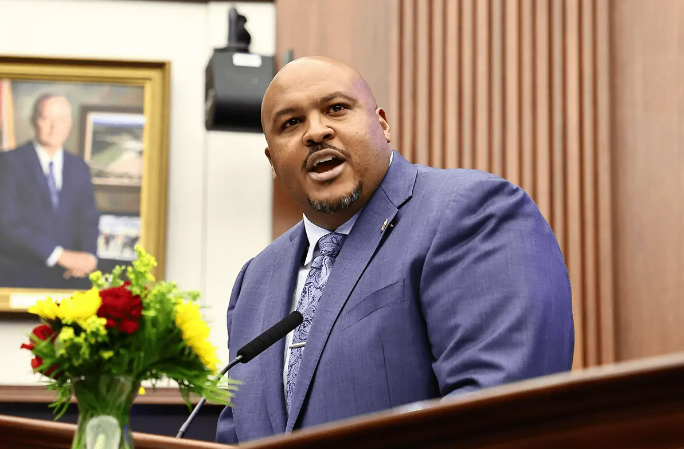
Sen. Corey Simon, R-Tallahassee, today introduced an amendment to SB 202 that will remove a portion of homeschooling families.
Editor’s note: This article appeared earlier today on floridapolitics.com.
A bill creating universal school choice — giving vouchers to all students regardless of income — is heading to the full Senate.
The bill (SB 202), sponsored by Sen. Corey Simon of Tallahassee, aced its third committee stop in front of the Senate Appropriations Committee, passing along party lines.
Rep. Kaylee Tuck of Lake Placid is carrying the House version (HB 1) that’s now heading for the House floor. House Speaker Paul Renner has tagged it as a chief priority for the Republican supermajority. But Gov. Ron DeSantis has expressed some reservations of expanding the program to the wealthiest families, as the bills envision.
Right now, families of four with an annual income of $111,000 qualify for the $8,000 per student voucher to approved private schools. Everyone who has applied for that scholarship has received it. Currently, there is a waiting list for special education students to get a scholarship, which is funded at a higher level.
The bill will prioritize families at the lower end, but open up the voucher for every student to all families, fund all the special education students currently on the waiting list and open up public funding for some students learning at home.
Simon introduced an amendment that will remove a portion of the homeschooling families from receiving the $8,000-a-year voucher that the House bill envisions. To be eligible for the program, homeschooling families will have to submit to more oversight, he said.
The cost has proven difficult to pin down. Thursday was the first time the Senate bill had a cost attached: $646.5 million in new costs. That contrasts with the House estimates, which shows about $110 million in new costs for the expansion.
To continue reding, click here.
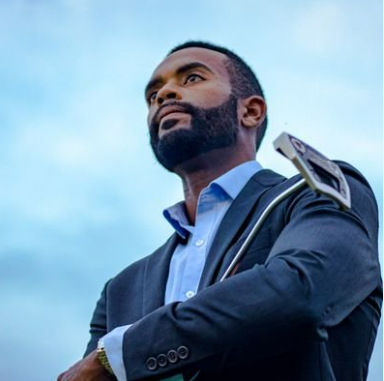 Editor’s note: Last week, as members of the Florida House Education & Employment Committee debated HB 1, some lawmakers shared how education choice, or the lack of it, shaped their lives. Among them was Rep. Gallop Franklin II. The Tallahassee Democrat, one of two members of his party who joined the Republican majority in supporting the education savings account legislation, offered remarks during debate on the bill, which cleared its last committee on Friday and heads to the House floor.
“There is a story I want to tell you. There was a young boy who was in school, and his teachers told him because of his ADHD and the issues he had and behavior problems, he was more destined for jail than he was to graduate from high school.
At the time, his mother worked for the state of Florida and his dad worked overnight stocking shelves for Publix pharmacy. And they had to make a decision … Well, that kid was homeschooled from second grade to eighth grade. He eventually ended up going back to public school and actually graduating in the top 10 percent of his class.
After that, he went to college and became student body president, a pharmacist, and now is a state representative. So, this person I’m talking about was actually me. I embody school choice and would not be who I am today without those options …
Before school choice, to be honest with you, only wealthy people had a choice to look for wherever they could put their children. But now that we’re prioritizing this bill to ensure that we can focus on the low- middle class and middle-class working families to have that option, I believe (it) will help with student success.
Often times, we align ourselves behind institutions, and I completely support public schools, but I don’t believe every shoe fits all feet, and I would be in jail today if not for my mother making the sacrifice to save my life.”
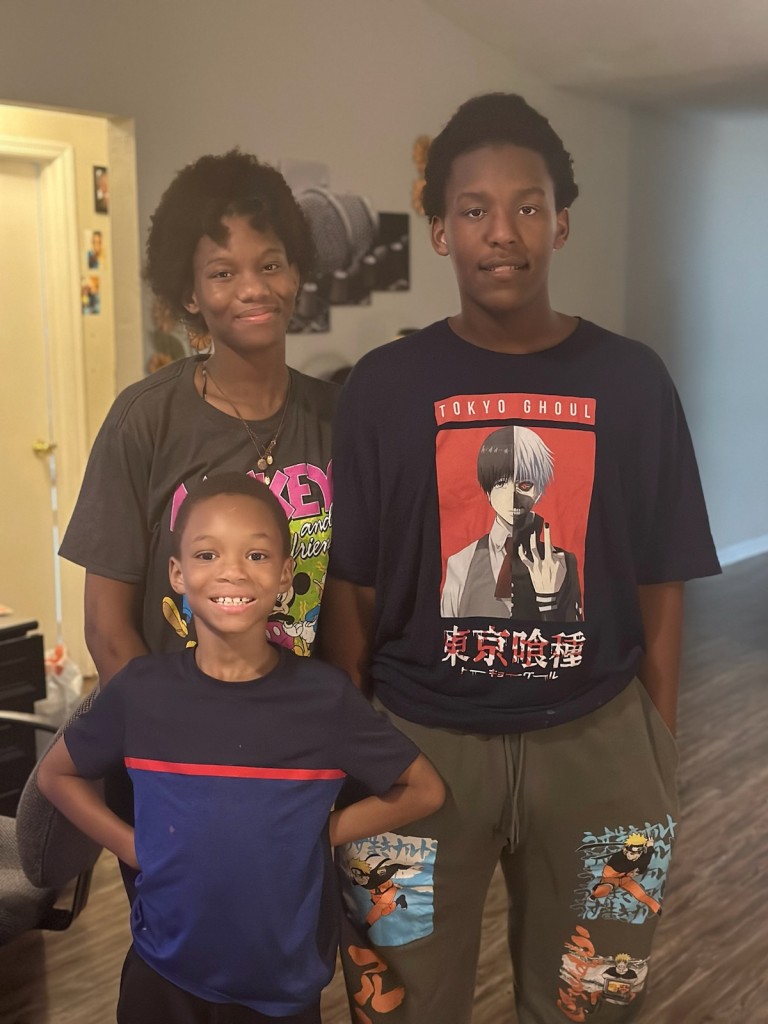
Three of Alkesha Williamson's five children attend private schools thanks to Florida education choice scholarships: Kenysis, 7; Kharmma, 12; and Krysis, 13.
On this episode, senior writer Lisa Buie talks with Alkesha Williamson, a mother of five children, including three who receive state education choice scholarships.
Williamson’s daughter is on the autism spectrum and receives the Family Empowerment Scholarship for Students with Unique Abilities, which uses an education savings account model that empowers parents to customize their children’s education through spending flexibility. Her two sons receive the Family Empowerment Scholarship for Education Options, which uses a traditional scholarship model.
Williamson, a single parent from Tallahassee who works three jobs, recently spoke before the House Choice and Innovation subcommittee in support of HB 1, a bill that would expand scholarship eligibility to all Florida students and convert all traditional scholarships to education savings accounts.
She has lived in three states, none of whose district schools worked well for her children. After letting them learn at home during the pandemic, they attend a private Christian school, thanks to state education choice scholarships. Williamson said she would welcome the chance that HB 1 and SB 202 would give her to have education savings accounts for her sons as well as her daughter.
“I would love for that to happen, and I really hope it does go that way. For them to be converted over to the educational savings accounts would be awesome because then that would open up more resources for my boys as well. and maybe we can go back to doing our homeschool thing, getting private tutors and things like that. And that way we can kind of schedule our own education on our own time, which would work out for me because I’m a very busy person.”
Episode details:
 In the Legislature: During a hearing on Tuesday, freshman Sen. Corey Simon introduced a proposal to make private school vouchers available to all Florida students, and the Senate Education PreK-12 Committee voted 9-3 along party lines to approve SB 202. The bill would end current eligibility requirements for vouchers, such as limits on household income. Under the bill, families could qualify to receive vouchers if "the student is a resident of this state and is eligible to enroll in kindergarten through grade 12 in a public school in this state." The bill would also allow families of home-schooled students to receive vouchers. Orlando Sentinel. Pensacola News Journal. TC Palm. Citrus County Chronicle. The state Legislature, after financing a University of Florida study, will consider financing twice weekly music classes for kindergarten through second grade students in a proposal brought forward by state Sen. Keith Perry. The Early Childhood Music Education Incentive Program helps elementary schools host music classes by paying $150 per student enrolled in the class. Main Street Daily News. Rep. Michelle Salzman is filing legislation to help military families in state schools. HB 633 removes the ability for school districts to limit access for military families to certain types of schools, and would also remove some penalties for exceeding class size. Salzman is presenting HB 633 to the Escambia County School Board at their Tuesday night meeting. WEAR. Asian American and Pacific Islander studies could become mandatory in Florida schools. SB 294 would require Florida schools to teach the culture and contributions of AAPI people. The Legislature could consider the bill during the upcoming March session, and if passed, it could be implemented by the fall. Spectrum News.
Around the state: Bus issues abound in Pinellas, Gov. Ron DeSantis rolled out a list that includes more than a dozen school board members he plans to target in 2024 to protect Florida students and parents from particular ideologies, the Martin county schools superintendent resigned, options are being discussed for a school in Lee that was badly damaged by Hurricane Ian and a statewide demonstration is planned on college campuses. Here are details about those stories and other developments from the state's districts, private schools, colleges and universities:
Miami-Dade: A group of parents from North Beach Elementary pleaded with city officials to help them pressure the school district to make crucial repairs at a recent Miami Beach Commission meeting. Issues include exposed rebar, mold and peeling paint, among others. CBS Miami.
Orange: Support continues to grow for a sixth-grade teacher placed on administrative leave last week. District officials accused him of using students as "political pawns" in videos posted on TikTok. WESH.
Pinellas: Buses running on time remains an issue in the school district here. Superintendent Kevin Hendrick unveiled several steps to the school board that are designed to reduce the need for additional drivers and make routes more efficient. Tampa Bay Times.
Lee: School officials here will discuss options Wednesday for Fort Myers Beach Elementary. The school was severely damaged during Hurricane Ian. Options range in cost from under $5 to nearly $25 million, and include sending students to other schools and restoring the campus, a phased rebuild and a portable campus with an option to rebuild, according to the meeting's agenda. Fort Myers News-Press.
Seminole: Seminole State College of Florida and Seminole County Public Schools partnered to give 700 high school seniors the stools needed to take the next step in their education. Students throughout the district attended Decision Day earlier in February. WKMG.
Martin: Superintendent John Millay resigned Tuesday after less than two and a half years in his position. Millay, who was appointed in 2020, told the school board he would work until June 30. "I love the students, I love the families and I love the professional staff," Millay told the board. TC Palm.
Target list: Gov. DeSantis on Tuesday rolled out a list of more than a dozen school board members he plans to target in 2024 to protect Florida students and parents from ideologies that are seeping into classrooms across the state. DeSantis met with Florida House Speaker Paul Renner, Moms for Liberty co-founders Tina Descovich and Tiffany Justice in addition to leaders from the state's school board reform movement. During the meeting, DeSantis unveiled his 2020 school board target list, which includes 14 school board members across the state. Fox News.
Walkout planned: Students of the Florida College Democrats and Dream Defenders are organizing a demonstration at college campuses statewide in response to recent education-related efforts by Gov. Ron DeSantis. The "Stand for Freedom" movement and walkout will be held Thursday on Florida college campuses with the intent to request the restoration of diversity, equity and inclusion initiatives in colleges across the state. Tallahassee Democrat.
Earthquake funds: National Junior Honor Society members at a school in Tallahassee found a way to give back to loved ones in need of aid in Turkey and Syria after two earthquakes hit resulting in the loss of over 30,000 lives. Students at the Tallahassee School of Math and Sciences began fundraising with the encouragement of faculty and staff. Tallahassee Democrat.
Best school hero: Nominations were sought to find people in South Florida school communities who make big impact in the lives of students. The field is now narrowed down to the Sweet 16. Miami Herald.
University and college news: Former UCF president John Hitt died at the age of 82, less than five years after retiring from the university where he spent 26 years at the helm. Hitt oversaw tremendous growth at the school including the addition of a medical school, on-campus football stadium and more than 100 new buildings. Orlando Sentinel. WESH. Tiger Woods and Rory McIlroy stuck shovels in the dirt at Palm Beach State College for the ceremonial groundbreaking of an indoor tech golf league. Palm Beach Post. Meanwhile, Palm Beach Atlantic University is investigating whether a professor was "indoctrinating" students with discussion about racial justice. Palm Beach Post. Students at the University of North Florida called out the school's president and the state's governor during a demonstration on campus. They demanded that diversity, equity and inclusion programs on college campuses be protected, and said school officials should take a stand. First Coast News.
Opinions on schools: Vermont's school voucher program — which is 154 years old — is in jeopardy because of a new bill introduced in the state Senate this month. The legislation offers a unique way of circumventing a string of U.S. Supreme Court victories that have expanded school choice over the last two decades. Patrick R. Gibbons, reimaginED. Gov. Kim Reynolds of Iowa recently signed the nation's third publicly funded education choice program for all K-12 students, following Arizona and West Virginia. This represents a stunning reversal, since a smaller proposal failed to clear the Legislature last year. Jason Bedrick, reimaginED. To be honest, listening to other teachers often makes me feel a bit guilty about how much I still enjoy teaching after more than 10 years as an early childhood educator. Margi Bhansali, Chalkbeat.

