 The public release of test scores for low-income students on Florida Tax Credit Scholarships received remarkably little attention in the news media this year, leaving bloggers the freedom to interpret serious academic analysis with what amounted mostly to potshots.
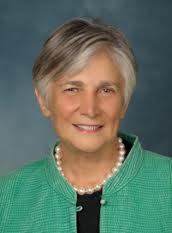
Not surprisingly, Diane Ravitch weighed in to wag her finger at the straw men who have touted vouchers as “a panacea.” But at least she didn’t challenge the credentials of the state-contracted researcher, whose national reputation for thorough independent-minded critical analysis didn’t prevent two lesser-known Florida bloggers from doing so. She also didn’t snipe at a respected education writer for the state’s largest newspaper, branding her reporting on the test results as “propaganda,” as several online commenters did.
This kind of noise is usually best regulated by shutting the door, but those who have genuine concerns about whether a private learning option can help struggling, underprivileged schoolchildren deserve straight answers. I certainly cannot be viewed as an unbiased observer, but my work for the nonprofit that oversees the scholarship at least makes me an informed one.
So let’s start with Dr. Ravitch, who to her credit recited three direct paragraphs from the 41-page report. She also said that “students in voucher schools made academic gains similar to their peers in public schools,” which is a generally correct statement. But rather than read more deeply, she tried to minimize the significance through unsupported and unimportant claims that Florida tax credit scholarship supporters promised miracles.
The test scores and associated research do not speak to academic miracles, but they are encouraging. To repeat some portions of our previous post, two findings are critical for context.
First: For five consecutive years, the state researcher has determined that students who choose the scholarship are among the lowest performers in the public schools they leave behind. (more…)

