Catholic schools enroll roughly four of every ten private-school students in the country, making them the largest and farthest-reaching segment of American private education. And while they've seen their enrollment decline for decades, a growing number of initiatives is pushing against the tide, looking to attract new students and revitalize their academics.
As Andy Smarick notes, there seems to be a "wave of Catholic education innovation and entrepreneurialism that we probably haven’t seen since the 1880s, when the nation’s Catholic bishops mandated the creation of thousands of parish schools in response to rampant anti-Catholic bigotry."
Across the nation, religious and lay leaders are creating new schools, new networks of schools, new governance models for existing schools, new pipelines of talent, new philanthropic efforts, new public programs, and much more. But all of this is taking place inside the time-tested boundaries of authentic Catholic education.
From Tampa to Orlando to Miami, there are plenty of signs this is happening in Florida. And there may be more to come.
It's arguably one of the under-appreciated trends in education reform.
Two other trends might be related.
 Charter schools took a page from Catholic schools when they arrived in the 1990s and began their expansion – character development, solid discipline, a no-excuses approach to success for low-income kids. But now it's Catholic schools, struggling with declining enrollment (in part because of competition from charters), that should borrow good ideas from charters, the author of a new report says.
Sean Kennedy, a visiting fellow at the Lexington Institute, points to how high-performing charter schools have embraced data and technology to better differentiate teaching, including use of “blended learning” models that have both improved student performance and reduced cost. “They’ve really invested in data,” Kennedy, a product of Catholic schools, said in the redefinED podcast below. “And that’s something that, unfortunately, for various cultural and just simply resource reasons, Catholic schools have shied away from.”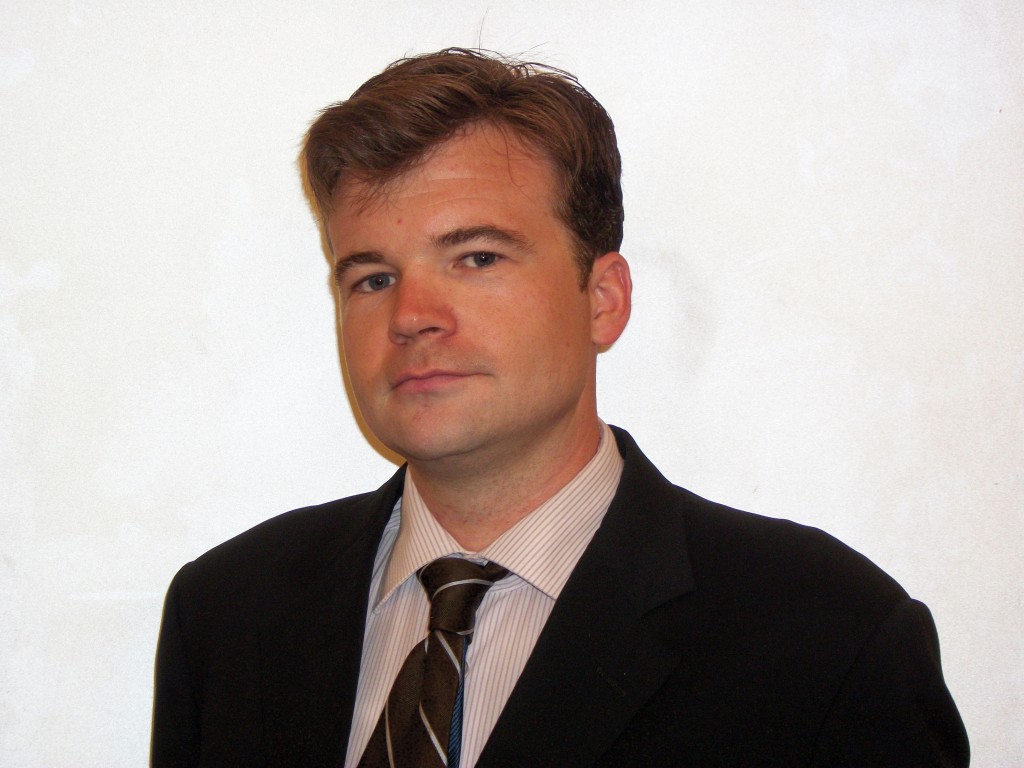
Kennedy says despite the funk they’re in, Catholic schools can more nimbly embrace promising trends than other education sectors and again stand out. They don’t have the bureaucratic or union entanglements of traditional public schools, and they still have the faith and character-building components in their favor.
“I’m very optimistic,” Kennedy said. Catholic school educators “often take huge pay cuts from what they would get in public schools. They often work much longer hours. And they love what they do. So if it can be presented to them in a way that this is going to benefit both their teaching and their students directly, I think teachers and administrators in Catholic education are at a special advantage to grab a hold of this data movement and really run with it.”
Kennedy also said vouchers and tax credit scholarships can be crucial in Catholic school reform efforts, particularly with Hispanic students. A project is now underway in the Tampa Bay area with two Catholic schools that accept tax credit scholarships and the Notre Dame ACE Academies, which aims to revitalize Catholic education. “There’s fewer and fewer kids in inner city areas being served by high quality Catholic schools, as these Catholic school business models kind of collapse in on themselves. And that’s a tragedy,” Kennedy said. “With the growing Hispanic population, there’s even greater need to serve these families.”

