Elia
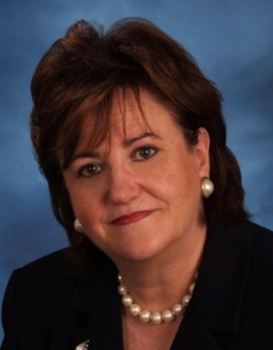
Teacher’s aides put on leave. Five of them, in Hillsborough, as the district investigates the death of a special needs middle school student and a PE coach accuses them of slacking on the job, reports the Tampa Bay Times. Says Hillsborough Superintendent MaryEllen Elia: "We have to do everything we can to retain and regain the confidence of parents who entrust us with their children." In Broward, meanwhile, the district plans to fire a bus attendant accused of choking an autistic student, the South Florida Sun Sentinel reports.
Privatization gone wrong. At the Department of Education, within the Division of Blind Services, editorializes the Tampa Bay Times. The paper uses the issues there to take a dig at charter schools: “Ever since then-Gov. Jeb Bush took office in 1999, state government has been moving more toward hiring private vendors to do state business — from handling state park reservations to opening private prisons. And Gov. Rick Scott, a former health care executive, has only accelerated that push, for instance by making it easier for charter school companies to qualify for money that used to be dedicated to public schools.”
AP Honor Roll: Eleven Florida districts are among 539 nationwide on the College Board’s latest annual Honor Roll, awarded to districts that increase access to AP classes at the same time they maintain or improve AP test pass rates. Among the 11: Pinellas, which was the subject yesterday of an oddly critical story. (Hat tip, Orlando Sentinel School Zone blog)
Tony Bennett watch. Comments from acting Florida ed commissioner Pam Stewart.
Charter watch. From the Sentinel ed blog late last night: “The Orange County School Board approved one charter school application, rejected two others, and agreed on a contract with a school that the state forced the school district to accept.”
 Chicago: The teachers union strike is over, but it highlights a growing rift within the Democratic Party over school choice and education reform (Christian Science Monitor). Mayor Rahm Emanuel can now focus on expanding charter schools (Chicago Tribune). (Image from louisville.com)
Florida: The state teachers union sinks $1 million into the campaign over a constitutional amendment that has little to do with education (redefinED). Republican Gov. Rick Scott and a Democratic candidate for Congress make a joint appearance at a new charter school (redefinED). The latest enrollment numbers show school choice in Florida has become mainstream (redefinED). The Volusia school superintendent recommends the school board reject all nine applications for new charter schools next year (Daytona Beach News Journal).
Maine: A task force begins considering legislative proposals for expanding school choice. (Kennebec Journal)
Virginia: A Richmond charter school welcomes a critique from school district officials. (Richmond Times-Dispatch)
Tennessee: State education officials fine the Nashville school district $3.4 million for denying a charter school application. (Education Week)
Michigan: Lawmakers are set to discuss parent trigger legislation. (MLive.com) (more…)
A federal report released this week found charter schools in most states enroll a lower percentage of students with disabilities than traditional public schools, but also cautiously noted that “little is known about the factors contributing to these differences.” Nonetheless, the report drew widespread coverage and, to some critics of school choice, offered confirmation of charter school cherry picking.
I see selective scrutiny at play.
Since charter and magnet schools in Florida have so much in common - both tend to be themed schools that parents choose – I took a quick look at the disabled student enrollment for two neighborhood middle schools and two magnet middle schools in my home district of Pinellas County, Fla. The disabled enrollment in the neighborhood schools was 14.1 percent and 14.0 percent, respectively; the disabled enrollment in the magnet schools was 4.5 percent and 5.8 percent, respectively.
That’s hardly surprising. Admittedly, these are just four schools, but anyone who has worked in a school district with magnet schools knows magnet schools serve far fewer disabled students than neighborhood schools. Those of us with district experience also know Mike Petrilli of the Fordham Institute was correct when he wrote this week: “No single public school is expected to serve students with every single type of disability. In fact, traditional public schools regularly “counsel out” students with severe disabilities because they don’t have the resources and expertise to serve them. Many school districts operate separate schools (or programs) precisely for those kids.”
It’s wrong for any school - charter, magnet, neighborhood, private or virtual - to reject a student it can serve solely because of her disability. But it’s also wrong for a school to accept a student it cannot properly serve. (more…)

