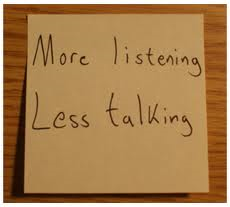
Tuthill: Too much of our public discourse today is conducted via snarky comments on social media. There is a role for this type of populist engagement in our democracy, but we also need time and space for more thoughtful dialogue.
I was honored to attend the recent state education summit called by Florida Gov. Rick Scott. The governor invited a diverse group of elected officials, political activists, educators and parents to spend two and a half days discussing how best to implement the Common Core State Standards, a state assessment system to measure these new standards, public school grades and teacher evaluations.
The last time Florida convened such a group was in 1991, and it met monthly for seven years. I was a member of this earlier group for four years, so I was anxious to see how this new gathering would compare.
I was very impressed.
All the participants worked hard grappling with complex issues. Without exception, the large and small group dialogue was thoughtful and civil. People with opposing positions listened carefully to those they disagreed with, and sincerely sought common ground. This was democracy at its finest.
Pam Stewart, Florida’s interim commissioner of education, did a great job managing the summit. Gov. Scott wisely gave Pam the opportunity to prove she could lead, and she excelled. Pam will probably have the interim removed from her title at today’s State Board of Education meeting. She deserves this promotion, and Florida needs her leadership.
Despite all the rhetoric and theatrics surrounding Common Core, Florida has no intentions of not fully implementing these standards. The support for them at the summit was wide and deep. There will be no turning back, although Republican elected officials are wisely giving Common Core opponents, who represent a vocal minority of their political base, some opportunities to vent.
Florida’s state assessment system is going to be in transition for the next several years. Most school districts, as well as many charter and private schools, will initially use paper and paper tests to assess these more rigorous standards. Florida will need another four or five years before all the technology is in place to move the entire state to online assessments, but that’s where we’re headed.
The state’s public school grading system is also going to be evolving over the next four-to-five years. (more…)

Robinson
Standardized test costs. They total about $1.7 billion a year nationwide, according to a new report from Brookings that includes state-by-state figures. Not much, concludes researcher Matt Chingos, who adds “perhaps we’re spending less than we should.” Coverage from Education Week and Huffington Post. Former Florida education commissioner Gerard Robinson tells the latter about test anxiety: “I won't pretend that tests don't matter and there's no anxiety -- but I also tell people there's anxiety with sex. There's anxiety with sex, but there isn't any talk about getting rid of that.”
And still more Jeb summit coverage. Politic365 on the “Florida Formula.” EdFly Blog on the crucial center. Rick Hess on "The Common Core Kool-Aid."
More protests from Hillsborough parents. They want better training for employees who work with special-needs children, StateImpact Florida reports. More from Tampa Bay Times.
Jeb summit coverage. Education Week: Jeb Bush urges reformers to stay the course. More from ABC News/Univision, Washington Times, National Journal, Herald-Tribune. Bush’s remarks on C-SPAN here. For the most complete summit coverage, check back at redefinED and/or follow us @redefinedonline.
Teacher evaluations. Under the new system, the vast majority of teachers in the Duval and St. Johns school districts are rated effective or highly effective (just like under the old system), reports the Florida Times-Union.
Florida Race to the Top finalists. Five districts in the mix, reports Gradebook.
More on Florida grad rates. StateImpact Florida. Orlando Sentinel School Zone blog.

