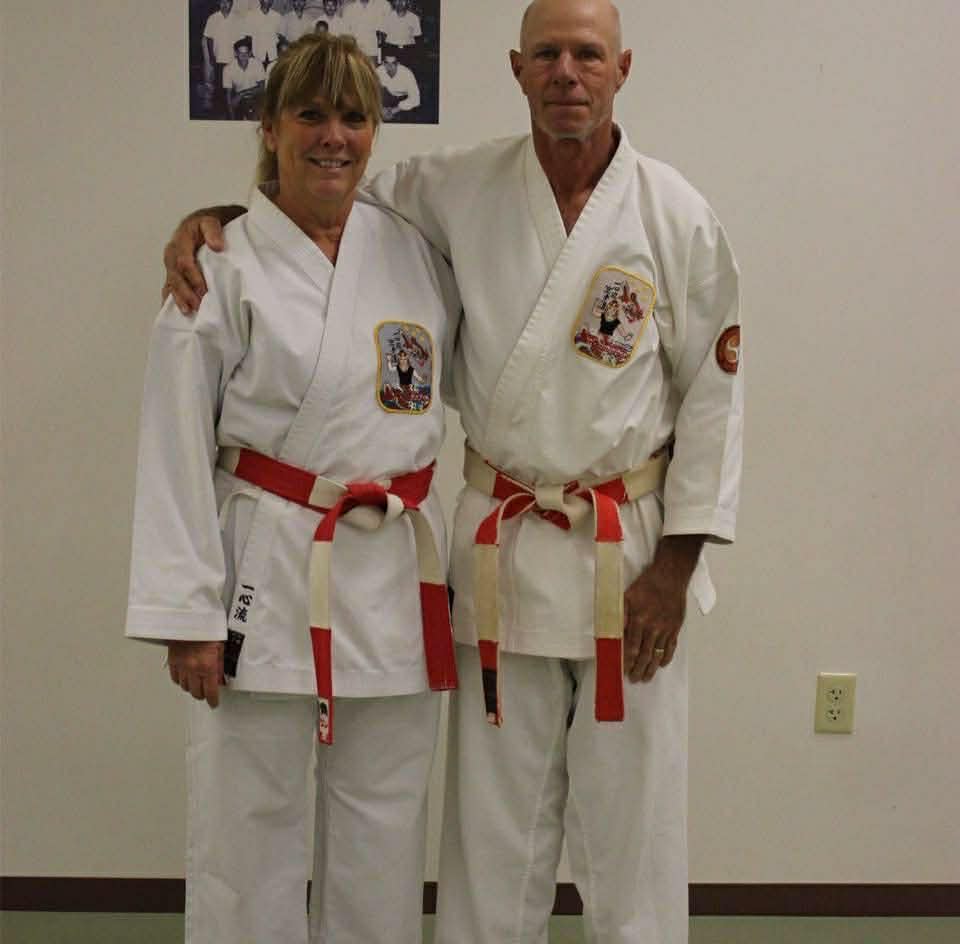
TAMPA, Fla. — A half-century ago, John and Cindy Ingram built a strong reputation emphasizing family.
Besides their children, their children’s spouses, and their grandchildren, that definition also includes the thousands of students who have bowed at the door of Ingram’s Karate dojos since 1977.
Each evening, these spaces, which some treat like holy ground, spring to life. Crisp white uniforms snap as students kick, punch, and shout, “kiai!”
Soon, a different type of energy will be seen before dark, when homeschoolers come to sharpen their core academic skills and participate in some “old-fashioned P.E.”
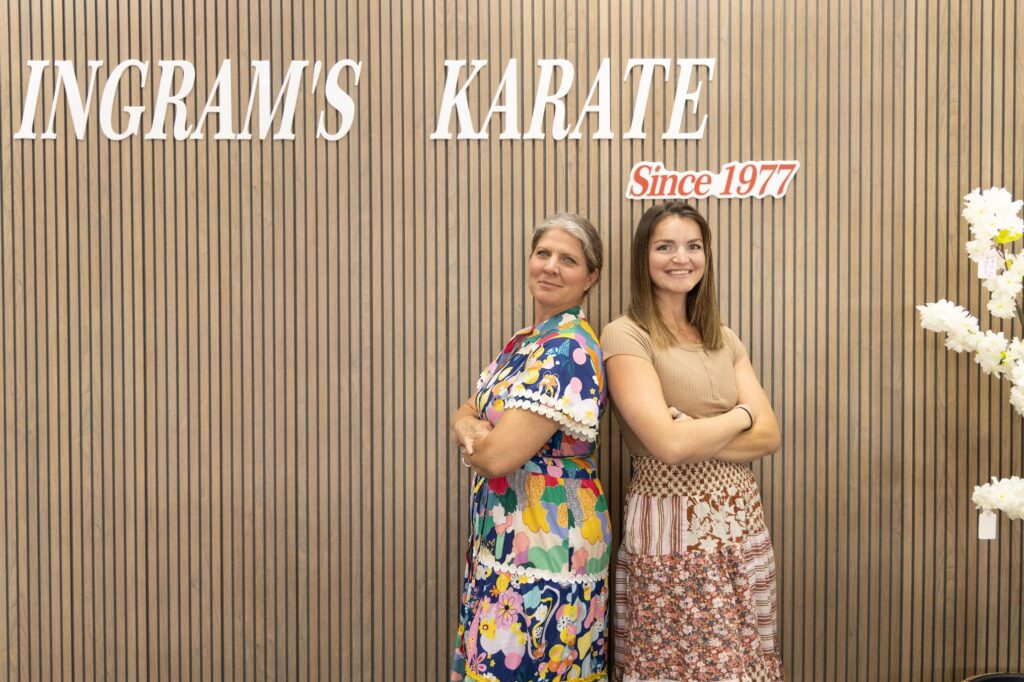
Ingram’s Balanced Path Learning will open in September as a homeschool co-op two days per week at two of its three dojos in the Tampa Bay area.
“We have these beautiful facilities that are only used in the evening. It's like everything just lined up,” said Sheri Ingram-Angwin, a former homeschool mom and seventh-degree black belt. A daughter of John and Cindy Ingram, she owns the Carrollwood and New Port Richey dojos. Both accept direct payment for karate fees from education savings accounts administered by Step Up For Students.
“I don’t know how we didn’t think of it for so long.”
According to Step Up For Students, almost 50 martial arts providers across Florida accept direct payment for participation in their programs, either as P.E. or enrichment. That does not include providers for which parents receive reimbursements after up-front, out-of-pocket payments. These providers are part of the state's rapidly growing number of à la carte learning options. In 2024-25, Florida had 4,318 non-school education providers offering à la carte courses, tutoring, extracurriculars, and more, which was more than double the number from the year before.
By opening an academic co-op alongside its karate program, the founders of Balanced Path will take things a step further. Angwin’s daughter-in-law, Leanna Angwin, and sister, Ashley Bache, will teach classes in math, reading, history, and science. Both hold state teaching certificates. Bache and Leanna have teaching experience at a classical charter school and a district middle school.
Most recently an eighth-grade math teacher, Leanna originally studied to become an accountant. But she realized after a couple of internships that “I really didn’t like it.”
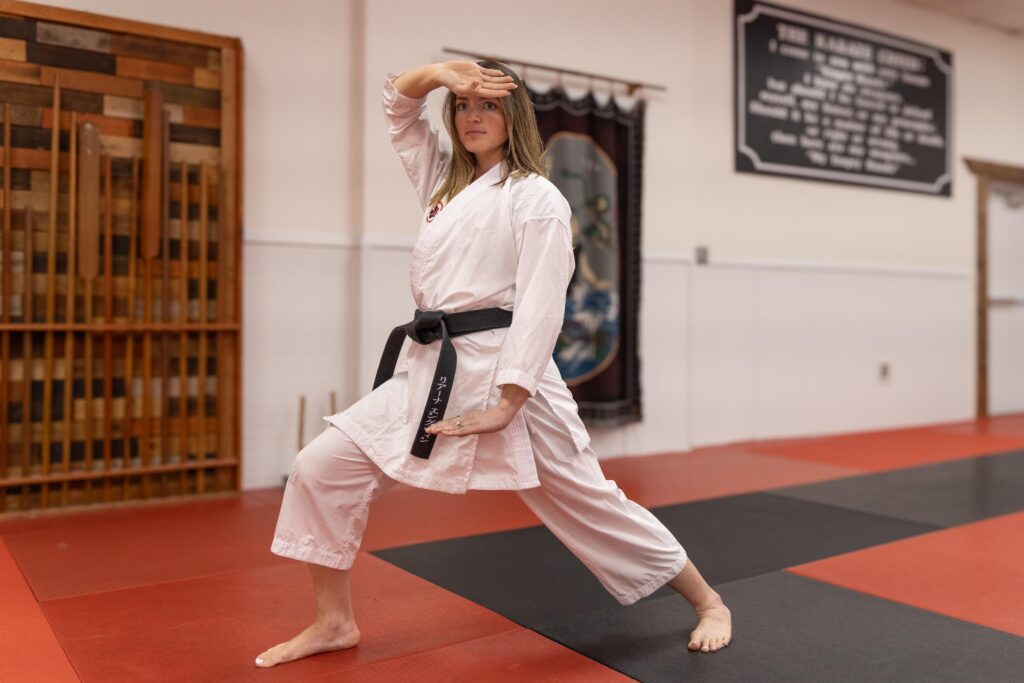
During her search for her true calling, she recalled how she had enjoyed helping people with homework. Now training for her second-degree black belt, Leanna also found fulfillment at the dojo in helping kids learn fundamentals. She joined Ashley, whom she affectionately calls her "aunt-in-law," at the charter school before the two headed to the public school for better pay and state benefits.
After a while, Leanna found herself wanting something that felt more rewarding, like the private tutoring she was doing on the side. She also found herself wanting to homeschool her future children.
“My mom was a stay-at-home mom, and I got to spend a lot of time with her, and my dad worked from home,” she said. “So, I see the importance of kids being at home with their parents.”
For Ashley, a former horse anesthetist, tragedy led her to a career in teaching. A car accident left her husband paralyzed from the neck down. A mother of three young children, Ashley needed a job that offered financial support for her family and the flexibility to care for her husband.
She started as a P.E. aide at the classical charter school before being promoted to run the program. She later became a classroom teacher.
She fell in love, not only with helping the kids, but also with a hands-on teaching style.
“I know I learn better with hands-on,” said Ashley, who will teach math and science at Balanced Path Learning. “It’s so easy to bring in all the manipulatives and the tools for teaching because we already have a lot of them.”
One day after school, Leanna saw a homeschool co-op flyer. They were hiring. During her interview, she found out the positions she was interested in had been filled. Afterward, she headed straight for the dojo to talk with her mother-in-law about possibly starting their own program.
She was like, ‘We should do that,’” Leanna recalled.
They shared their vision with Ashley. She was all in. Balanced Path Learning was born.
The three say it offers students the best of both worlds: the chance to be with family and work with a professional educator who can help keep them on track and accountable.
“I’ve watched how the status quo isn’t necessarily good enough anymore,” said Sheri, who homeschooled her two sons before education savings accounts existed. “All these years, everybody just always thought this is how you have to do it.
“And then COVID really changed that because everyone realized we don’t have to do it the way we’re told; we can do it on our own terms. I feel like there are a lot of parents who want to homeschool their kids. But they’re nervous about it, or maybe they don’t have the time.”
Sheri was one of those parents. In the beginning, she felt overwhelmed by the number of curriculum choices, which at the time seemed like “8 million.”
“I cried the day all the books showed up at my door,” she recalled.
But after becoming acclimated, she began to see and love the benefits.
“When it came time for history, when my kids were little, we went to Savannah, and we learned while we were there, and they learned things and experienced things that you can't really do unless you’re homeschooling,” she said.
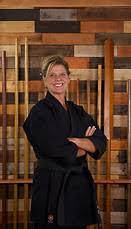
At Balanced Path Learning, a typical day for those in kindergarten through fifth grade will start at 9 a.m. with lessons in science or history, depending on the location. Students in middle and high school can attend and work independently during lesson times.
Lesson blocks are 50 minutes long and followed by breaks for movement, which might be a game of freeze tag or learning new dance moves. Students transition to reading and math groups at 10 a.m.
Students take a 10-minute snack break at 10:50 a.m.
Afterward, the groups switch subjects, with those in reading starting math and those who were in math going to reading.
After a second active brain break, they can do optional electives from noon until 1 p.m. when the day ends. Electives include physical education, with fitness drills, relays, and games. Optional karate is also offered one day a week at each location. Students do not have to participate in any karate programs to attend Balanced Path Learning.
Co-op locations are closed on Fridays, with optional field trips offered one Friday a month for an extra fee.
Parents are already signing up. Rachael Martinez said her three kids, who are entering fourth, third, and first grades, will transfer from a charter school to Balanced Path with the help of state education savings accounts.
“I kept begging her to do it,” said Martinez, who said Leanna tutored her oldest child and taught the second one at the charter school.
Small class sizes and the opportunity for self-paced learning drew Martinez to the co-op.
“They’re not rushed to meet somebody else’s standards versus their own needs,” she said.
One is on an individualized education plan for speech issues and thrives with one-on-one instruction. Another gets everything on the first try. The youngest is “a little spitfire,” finishing kindergarten.
“They’re all 100% different,” said Martinez, a preschool teacher.
Leanna, who will teach reading, said she and her partners made a list of the most important things they felt were missing from traditional schools. At the top: Opportunities to be active.
“Collectively, we feel like sometimes they expect too much of kids, to sit still and be quiet for too long.”
That’s the reason for the “active brain breaks.”
Sheri continues to view the project with a sense of awe. She said she has seen things come together and barriers easily fall away, just like the plywood boards that snap in two if students use the proper technique. She calls it “a God thing.”
But she also sees it as very much a family thing, an extension of the dojo her parents opened in 1977.
“We have been working with kids for 50 years, and our family knows how to work with kids and how to make them thrive, and then I have two teachers who are the most beloved teachers in the whole school, and I'm like, why did this take so long to come to us, but it's just perfect.”
Maxwell “Max” Johnson knows something about you. Maybe you know it, too. Maybe not. Either way, Max wants you to know this:
You are smart.
He’s so sure you are that he wrote a book about it.
Published last December, “Let Me Help You … BE SMART: A Kid’s Guide to Confidence, Focus, and Smart Choices” is a self-esteem book aimed at children ages 8-13 and is available on Amazon.
“My goal is that every reader finishes this book feeling more confident, more smart, and more prepared for life,” Max said.
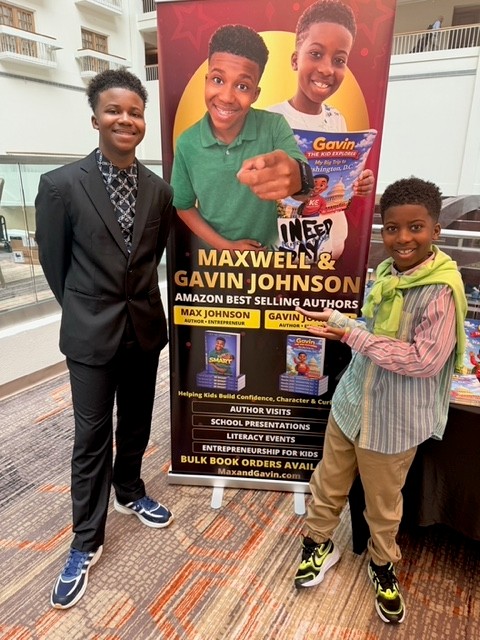
Max, 14, lives with his family in Lake Mary. He and his younger brother, Gavin, 11, receive Florida education choice scholarships managed by Step Up For Students, which their father, Stephen, said has put them in environments that allow them to succeed.
“Their ideas and their ability to learn at a high level are because of Step Up,” Stephen said.
Max, who once attended a private school, is home-educated, learning both at home and through a hybrid program at a private school, which he attends two days a week. His Education Savings Account covers both his home-education curriculum and a portion of his tuition for the private school.
“The Step Up scholarship is important to us, because Max was an honor roll student in private school and takes honors courses now, but because of his desire for entrepreneurship, the scholarship works better for him, because he can still do things like get into business, work on his books, and also find school a priority,” Stephen said.
“I love the fact that he still participates in school, still has school relationships, still goes and gets a dose of school, but also gets to come home and focus on the things that he really cares about.”
Gavin attends a private school.
“We like that environment for Gavin,” Stephen said. “He loves a full day, and it's cool for him to go to school. He comes home, and then when he has time, he works on his stuff, maybe on the weekends. So, the week is all about school. The weekend is his time to do other things. I just want him to focus on school, do everything else on the weekend.”
Like Max, Gavin is also a published author.
“Gavin The Kid Explorer: My Big Trip to Washington, D.C.” is a travel guide for children ages 4-9 and is available on Amazon.
“These kids, they're fearless. I love it,” Stephen said. “They really believe that they can do anything. They believed they could write a book, and then they actually did it.”

Belief is a big part of the brother’s makeup.
Stephen works in video production for a motivational speaker, and their mom, Erin, is an entrepreneur who started her own cleaning service as a college sophomore.
As long as they can remember, the boys have joined their parents at motivational seminars. Those forums are for adults, but Max was able to take what he learned and translate it into messages children can understand.
When he was 8, Max made motivational wristbands for his peers that contained messages like “You can do it,” “You’re smart,” and “I’m a winner.”
Max keeps a journal where he wrote about how he sometimes felt in school. There were times when he didn’t understand the lesson. Other times, he felt confused.
Sometimes he didn’t feel smart.
The success of his wristbands taught him that his confusion and lack of self-esteem are normal parts of growing up. He began to address those in his journal, which in turn started to read more like a self-help book than a diary.
And just like the motivational messages he heard when his dad was working, Max felt he needed to share his message.
“The reason why I wrote this book is because I wanted to help kids learn lessons that they don't really learn in school, things like making smart decisions, working hard, treating people with respect, managing money, and building good habits,” Max said. “I wanted a book that was under 100 pages for young people to understand, but powerful enough that they can use the lessons for the rest of their lives.
“I wanted to show them that, really, they are smart. Anyone can be smart. It depends on how you think about yourself.”
Meanwhile, Gavin took notes during a family trip to Washington, D.C., with the idea of turning it into a book. This way, he could bring young readers along on his adventure. He detailed each place they visited, sites like the Washington Monument, the Smithsonian, the Jefferson Memorial, and added three notes of interest for each.
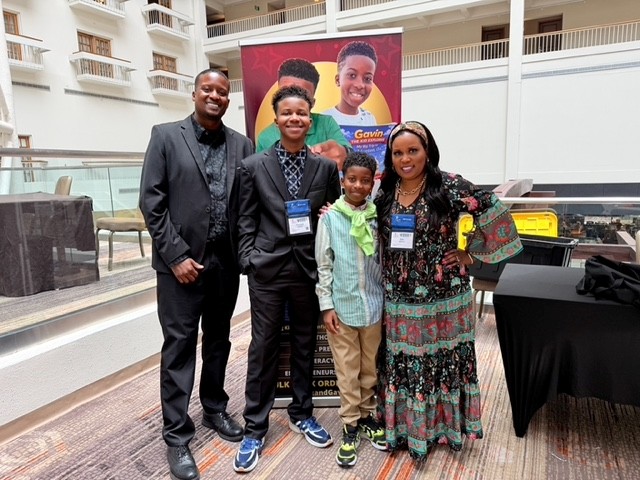
Erin and Stephen turned the journals into books and presented them to the boys on Christmas morning.
“Surprised and amazed” is how Gavin described the feeling of seeing his journal become a book.
He was even more surprised and more amazed when his book was mass-produced and made available on Amazon. Within a week, it was Amazon’s top-selling travel guide.
“I love motivating kids and teaching them things that they haven't thought of before,” Gavin said. “It's so fun and surprising that they love the topics that I choose, like traveling to D.C., and they love the character that I picked and how I illustrated the book.”
Max’s book reached No. 3 on Amazon’s list of social skills books.
“That was just surreal,” Max said.
He’s currently finishing his second book, which addresses confidence. It is set to be released Nov. 27 -- Black Friday.
Gavin is hard at work on his second, as well – a travel guide of New York City.
The brothers spent part of their summer promoting their books and speaking at camps around Central Florida. It’s a prelude to what they hope to be doing as adults – motivational speaking.
“I feel so empowered,” Max said. “I feel I can empower kids to become better versions of themselves, and then they can pass it on for generations.”
GLEN ST. MARY, Fla. – Baker County is in a piney corner of North Florida that hugs the Georgia line near the Okefenokee Swamp. It’s part of metro Jacksonville, but on the country side, not the coastal side, still more small town than sprawl. Its biggest town, Macclenny, boasts 7,304 people. One of its top employers is a Walmart distribution center.
Places like Baker County aren’t often associated with school choice and innovation, but it’s not because those things aren’t happening there. They are. In fact, in the mega-state with the most diverse and dynamic education system in America, it’s Baker County that’s home to one of the biggest and most intriguing hybrid homeschools.
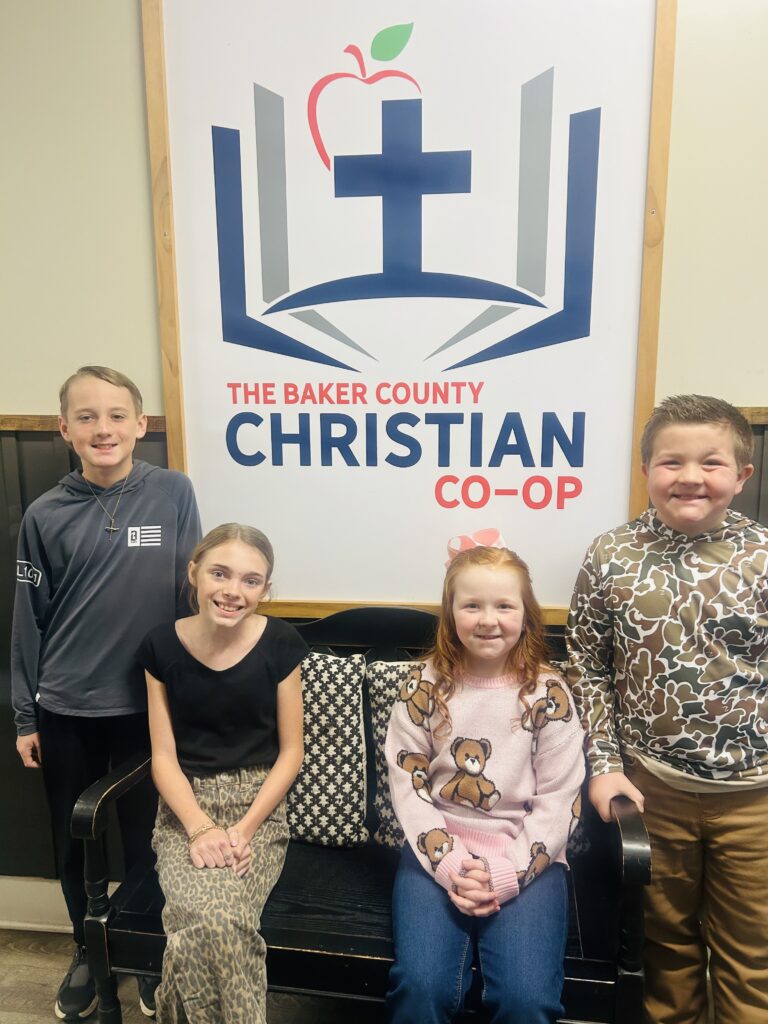
Nine years ago, three former public school teachers, Tara Rhoden, Katie Wilford, and Amy Blankenship, said goodbye to nearly 40 years of collective experience in the local public schools and went all in on the Baker County Christian Co-op.
Their four-day-a-week creation started with 45 students in grades K through six – and no plans to grow beyond grade eight.
But now BCCC has nearly 300 in grades K-11 – and 600 more on a waitlist.
That’s not a typo. SIX HUNDRED MORE ON A WAITLIST.
In a school district with 4,000 students.
“I joke that it’s the Disney World of education,” Katie said. “Everybody is happy. They want to be here.”
“There weren’t really choices in Baker County,” Amy said. “But we provided a choice.”
BCCC is another example of what’s possible when education choice is the new normal, as it is in Florida.
Its existence shoots down multiple myths.
School choice isn’t good for teachers? BCCC’s co-founders are among hundreds of former public school teachers in Florida who’ve created their own schools. Meanwhile, 16 of the co-op’s 17 teachers previously worked for public schools. (The one exception is Tara’s daughter, a product of local public schools, who started her teaching career at BCCC.)
School choice can’t work in rural areas? Baker County is one of Florida’s 30 rural counties; it has a grand total of 30,000 residents. Yet nearly every student at BCCC uses a flexible, state-supported choice scholarship, better known as an education savings account. It’s not hard to find other cutting-edge, choice-fueled learning options all over rural Florida.
Education innovation is a city thing? BCCC sets its pricing at $1,000 less than the value of the ESA, so parents can use their funds for other state-approved educational uses. “Incentive to hunt for value” is what ESA designers were aiming for when they were fine-tuning the concept two decades ago, and here it is happening in a county with more interstate rest stops (2) than Starbucks (1).
At BCCC, each co-founder had good reasons for wanting options for her own children.
Amy’s daughter had a tough time socially in elementary school, so Amy considered homeschooling her. But she worried that might leave her daughter in a situation where she wasn’t getting enough social interaction.
Katie’s daughter was in a faith-based preschool, and Katie appreciated how faith and academics were intertwined in a way they could not be in a public school.
Tara’s son, meanwhile, had health complications that made a full-time school difficult.
Tara and Katie, who were also curriculum coaches in the public schools, had thought about starting their own school. Years ago, Tara visited the school in Atlanta founded by legendary educator Ron Clark. That kept the dream alive, even if she never acted on it until co-founding the co-op.
“He just made learning fun,” Tara said. “I wanted to be that teacher.”
When the trio finally decided to go for it, they needed 30 students right off the bat to make the finances work. After the co-op’s first parent night, 31 students signed up.
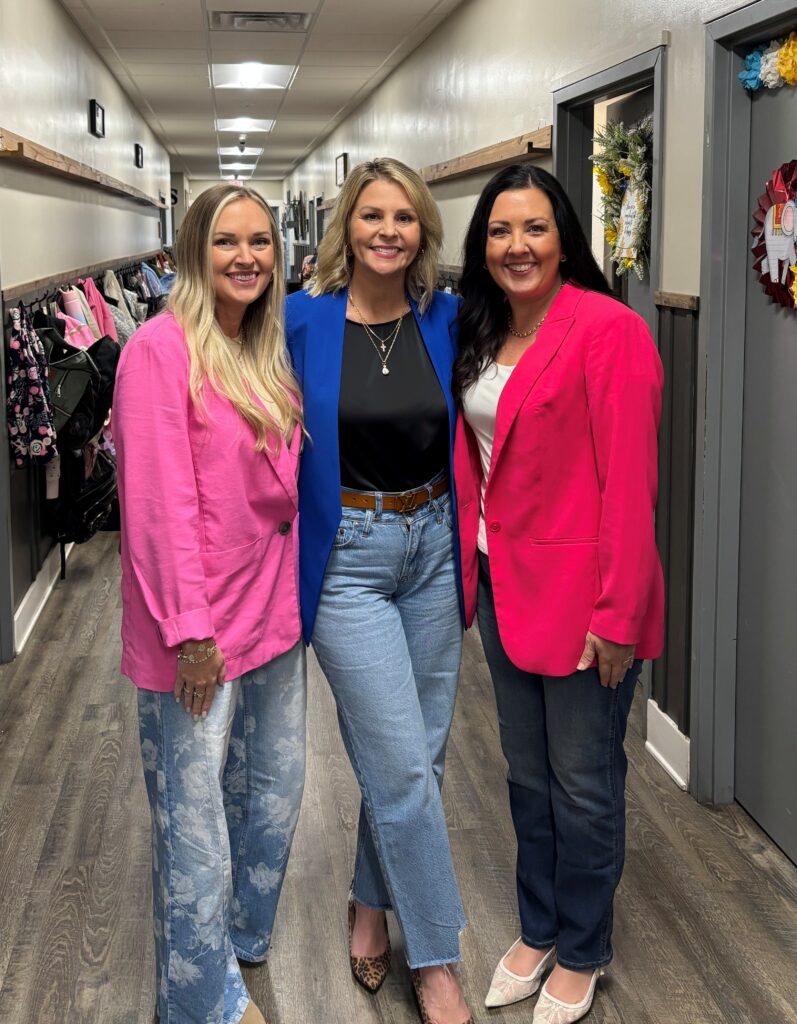
For the most part, BCCC’s curriculum is aligned with the state’s academic standards. Even though those standards were designed for public schools, it’s not hard to find private school educators who value them.
At BCCC, students in kindergarten through fifth grade study the core academic subjects and the Bible every day.
Students in sixth through 12th grade follow the same regimen, but with electives like health, home economics, and agriculture in the mix, too.
About half of BCCC’s high school students (the co-op will be fully K-12 next year) also take dual enrollment classes through a nearby state college.
“We’re going to give you what you need to be successful,” Amy said. “For those four days, it’s jam packed. We push these students.”
It’s what happens beyond academics, though, that makes the founders especially grateful they followed their hearts.
When Amy’s daughter was sick, for example, Katie’s daughter and her friends made a video for her, a compilation of 10 other students wishing her well and offering her prayers. No one asked these girls to do that; they just knew it would help their friend.
“This is why we did what we did,” Amy said.
“We’re not fighting the school system. We’re fighting the world,” Katie said. “We take faith very seriously.”
BCCC has always been four days a week. The founders decided from the start that they would not offer classes on Fridays because “it’s such a good family day,” Katie said.
BCCC has additional flexibility because it’s a co-op, not a private school. Attendance is not mandatory.
The founders said they never thought much about school choice before starting the co-op. With few options beyond public schools in Baker County, the idea seemed irrelevant.
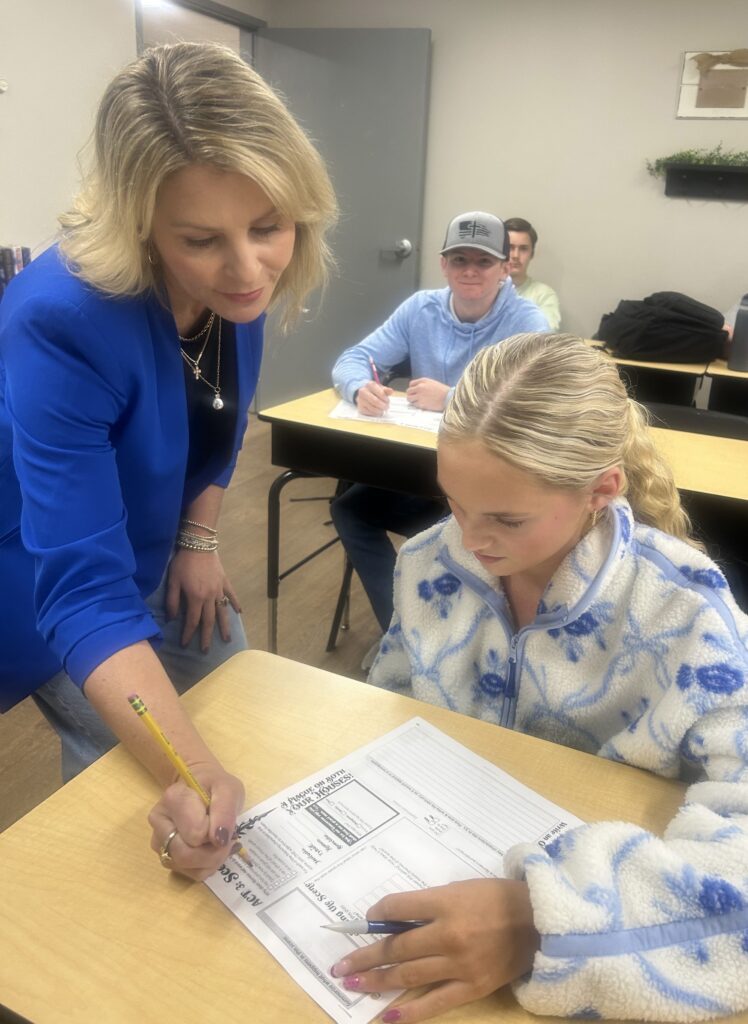
That changed in 2023. That’s when the Florida Legislature and Gov. Ron DeSantis made every student in Florida eligible for choice scholarships and created the Personalized Education Program scholarship, which gave families of general-population students more flexibility with the funds.
Suddenly, more families could access what BCCC offers.
Jennifer Franks’s family was among them.
Jennifer enrolled her daughter, Jencee, 8, and son, Cutler, 10, after they attended the neighborhood school for several years. Her kids had good experiences and great teachers, she said. But BCCC offered features her family considered vital: smaller classes, a Christian education, and that family day on Fridays.
Academically, she said, her children are accelerating. And meanwhile, her family gets more time together.
Jennifer is a hair stylist. Her husband is an electrician. Both adjusted their work schedules to have Fridays off and long weekends with the kids. BCCC’s schedule syncs with that perfectly.
“That was a big selling point for us,” she said. “You just don’t get that time back. Your kids are only little once.”
BCCC isn’t sure how to accommodate all the families who want in. But there are plans for another building that can hold additional students. If all goes well, it’ll be in place by the start of school in 2027.
Meanwhile, word has gotten around about BCCC’s success.
Educators in other rural counties have reached out to learn how they can start their own operations. BCCC’s founders say there’s no reason they can’t.
With choice, Katie said, “all communities can come together and create something like this, to do what’s best for all children.”
PINELLAS PARK, Fla. — Surrounded by students in crisp school uniforms, a group of educators, faith leaders, and families urged Florida’s teachers union to drop a lawsuit that seeks to end the nation’s largest K-12 education choice programs.
“I am not anti-public school. Public schools work for many children. But they don’t work for every child, including my sons,” said Leslie Coker, a stay-at-home mom whose two school-age sons have radically different unique abilities and who have benefited from the learning options the programs provide. The scholarships made it possible for a single-income household like hers to afford to send one child to a hybrid school and homeschool the other son full time. Both boys are thriving in learning environments that best fit their individual needs.
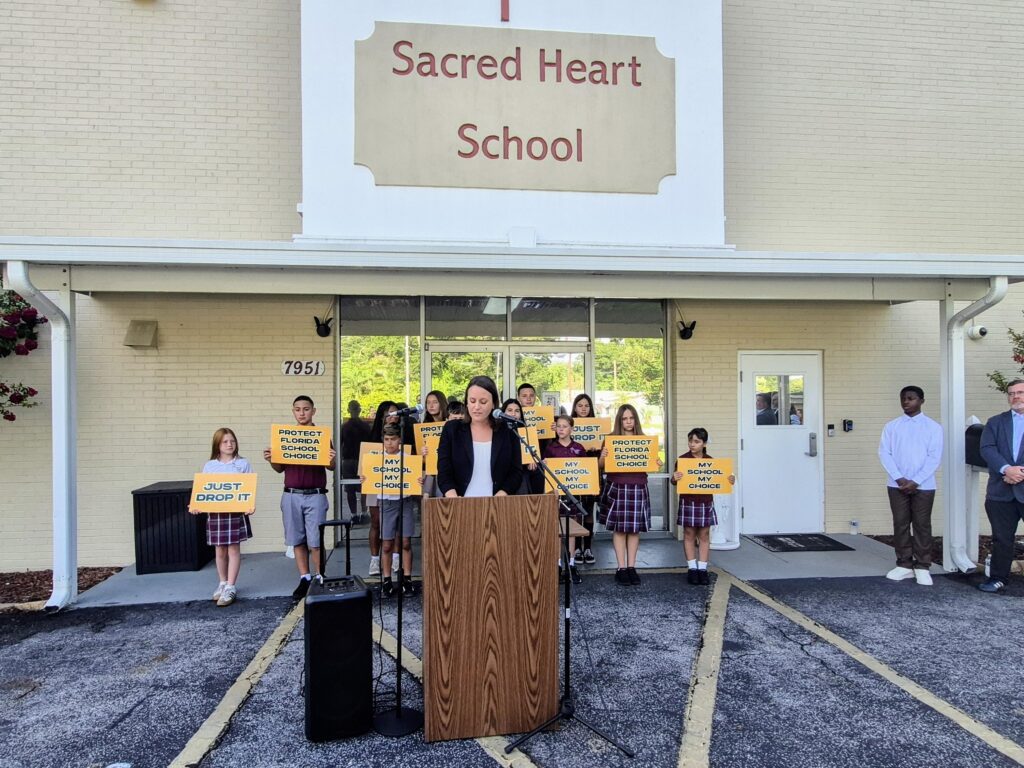
“For me, this lawsuit is not political. It is personal. If it succeeds, the impact will hit my family hard, as well as many others," the Bradenton area mom said. We are living proof that education choice is working in Florida. I urge the teachers union to respect our choices and drop the lawsuit.”
Mrs. Coker made her plea on Wednesday at a news conference at Sacred Heart Catholic School, which serves more than 200 students in preschool through eighth grade. Florida Catholic schools have increased their enrollments over the past decade in contrast to their counterparts in other states, which have seen declines. They credit Florida’s robust state scholarship programs, which have made the Sunshine State the national leader in empowering parents to choose the best learning options for their children.

“Ultimately, this debate comes down to one simple question: Who is best equipped to make educational decisions for these children? A bureaucrat sitting in an office hundreds of miles away? Or the parents who know, love, raise and sacrifice for that child every single day?” said Christopher Pastura, schools superintendent for the Diocese of St. Petersburg. He called the lawsuit “misguided and wrong” and urged the union to withdraw it.
“We cannot go backward,” he said.
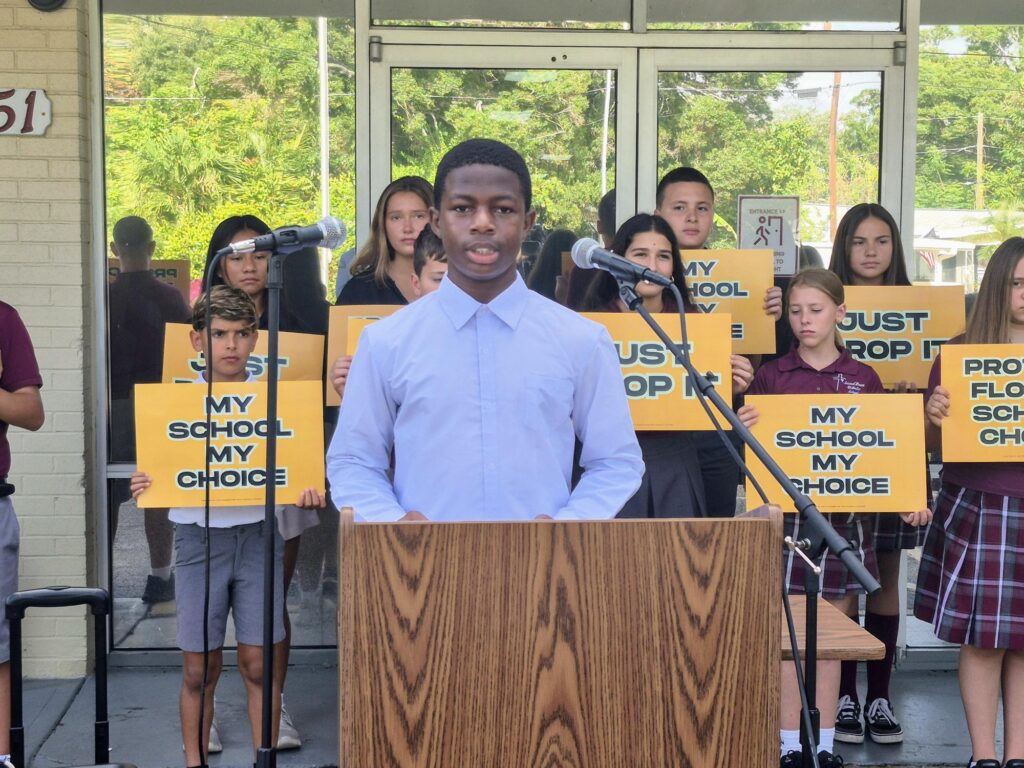
Supporters began speaking out within weeks after the Florida Education Association and others sued the state on May 5 over its three-decade-old private school scholarship and charter school programs. The latest figures from the Florida Department of Education show that 1 million Florida K-12 students are now educated outside of district schools. A news conference, organized by former Gov. Jeb Bush’s Foundation for Florida’s Future, was held May 14 outside the Old State Capitol in Tallahassee. Step Up For Students, which manages virtually all the state’s K-12 scholarship programs, organized Wednesday’s event.
James Hartman, executive director for IDEA Public Schools in the Tampa Bay area, noted that Florida charter schools, which the law established in 1996, now serve nearly 400,000 students on more than 700 campuses.
“Charter schools are not opposed to public education,” he said. “Charter schools are part of public education.”
Hartman said he hopes that as the lawsuit makes its way through the courts, the focus can stay where it belongs — on students.
For the low-income families who live in the part of Tampa served by Faith Action Ministry Alliance (FAMA), the scholarship programs are not a luxury but a lifeline.
Students who attend the FAMA-owned Grant Park Christian Academy share what they learn at home, said the Rev. Alfred Johnson. That elevates the educational level of an entire community.
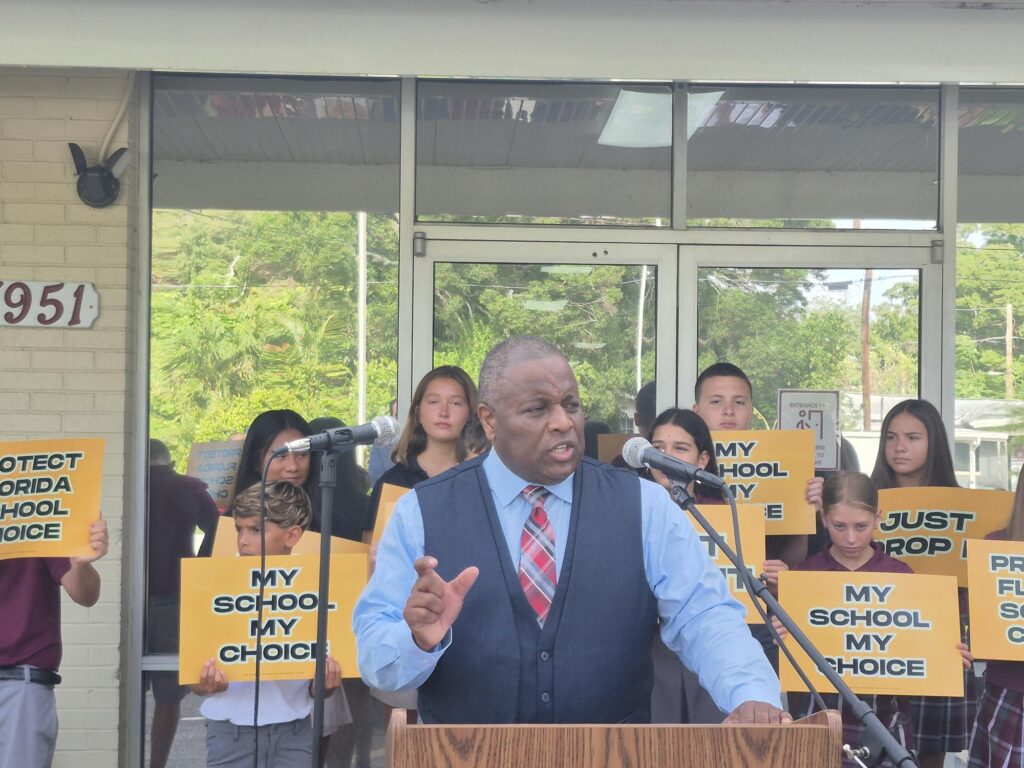
“I remember one mother telling us through tears, ‘My children are learning things at school that we didn’t even know in our home. They’re bringing it back home — and it’s changing our family.’”
Johnson said county commissioners tell him that more programs like his are needed to help those living in low-income communities.
“So how can we say we want to save neighborhoods while simultaneously attacking the very programs helping to save them?” he said. “I urge the teachers union to abandon this lawsuit — so that we do not abandon our children.”
For a glimpse into the future of public education, visit Florida.
Nearly three years after landmark legislation gave Sunshine State families the flexibility to choose from an expanding number of learning options, 75% of its 67 school districts now offer a la carte services.

In a recent Johns Hopkins University Homeschool Research Lab podcast, Keith Jacobs, director of provider development at Step Up For Students, explained how putting parents in control of their children’s education dollars is changing the way Florida students learn.
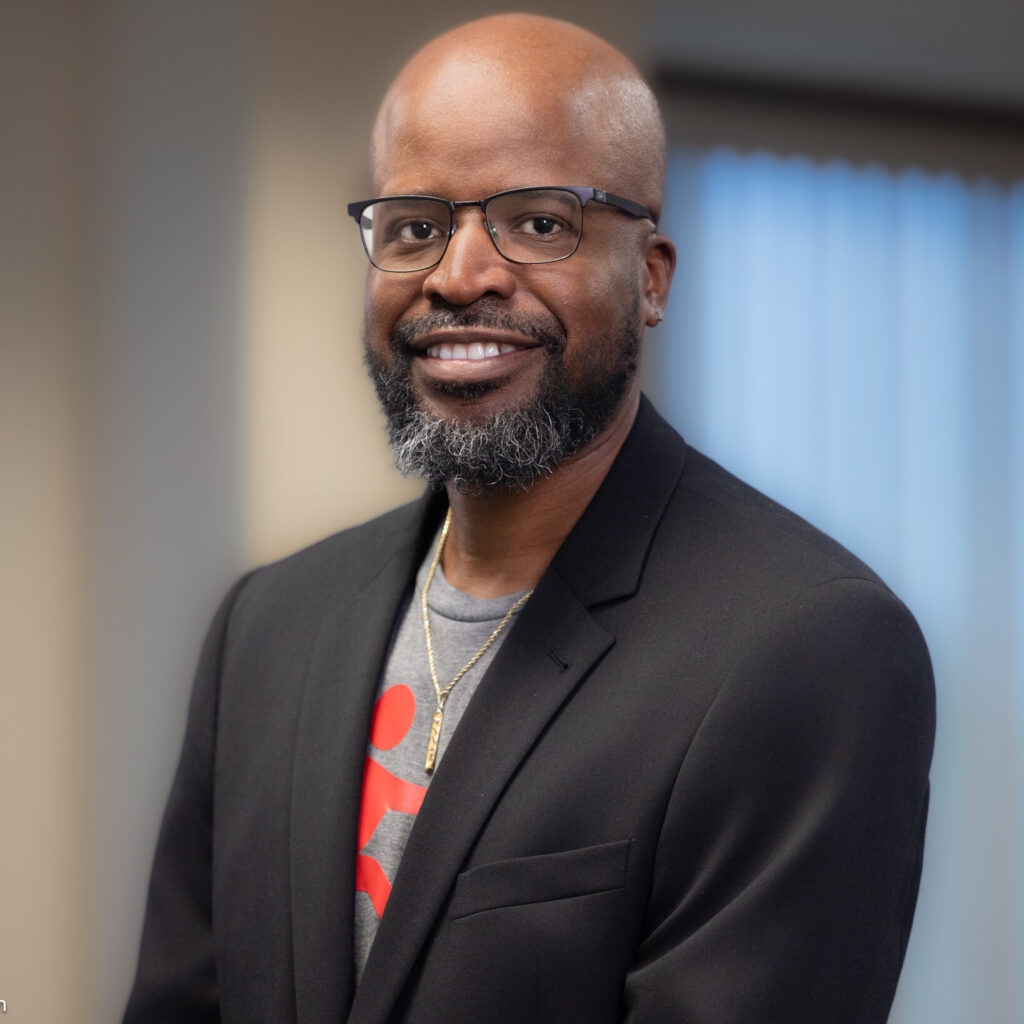
“In every major service offered in human experience, the need for customer service is evident,” said Jacobs, a former public school teacher and administrator. “So, when you’re talking about education, we’ve gone from government-sponsored, government-funded within the public school sector to now families being empowered with the money and the opportunity and the knowledge to make a decision on which a la carte model they feel is most valuable for their child. It’s no longer, ‘I have to go to my neighborhood public school based on the ZIP code we live in.’ They want that level of customization.”
Last year, roughly 80,000 students were funded in the Personalized Education Program, which allows parents to design customized learning for their children who are not enrolled full time in public or private schools. Another scholarship, the Family Empowerment Scholarship for Students with Unique Abilities, allows parents the choice between full-time private school or customized homeschool plans. Last year, about half of the more than 150,000 students who participated in the
UA option chose homeschooling.
“There are many different ways for families to experience homeschool education in Florida,” Jacobs told host Christy Batts, a senior research data analyst at the Johns Hopkins University School of Education, Institute for Education Policy.
Jacobs has spent nearly two years helping school districts expand learning options for students who receive funding through education savings accounts. These accounts allow parents to use funds for tuition, curriculum, therapies, and other pre-approved educational expenses. That includes services by approved district and charter schools.
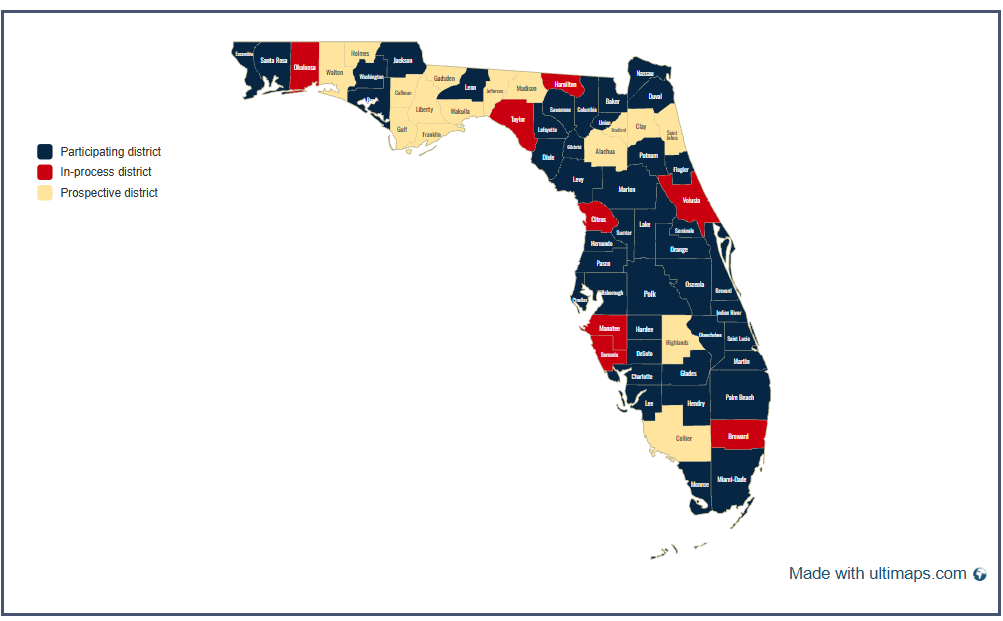
Jacobs said 51 of the state’s 67 public school districts have agreed to offer some form of unbundled services. Those can be in-person or virtual, core classes or extracurricular activities.
Jacobs sees the fact that more than 50% of families in Florida exercise some form of choice as a big motivator for school districts to innovate. When it comes to developing their own offerings, Jacobs said his team at Step Up lets district leaders take the lead.
“We try to meet them where they are,” he said.
Less than two months after the application season began, record-breaking interest continues with more than 500,000 students applying for Florida’s K-12 education choice scholarships.
Step Up For Students, the nonprofit organization that administers 98% of the state’s scholarships, opened applications for the 2026-27 school year on Feb. 1. A record 200,000 applied during the first three days.
By midday Feb. 10, a total of 300,106 students had applied for scholarships, which represents an 11.7% increase over the same 10-day period last year. By Friday morning, Feb. 27, a total of 401,507 students had applied.
Applications reached the 500,000 mark on March 30, which was 22 days earlier than in 2025.
Step Up For Students CEO Gretchen Schoenhaar said last week that the organization’s team and systems were ready for the surge of interest. Step Up’s technology systems processed 15% more applications on the first day this year than at the same time last year. Of the families who called for assistance, more than 90% reported being “satisfied” or “very satisfied” with the support they received.
“Florida continues to set the pace for the nation in education choice,” Schoenhaar said. “Families have become accustomed to seeking options in their children’s education and Step Up For Students is proud to support them every step of the way.”
Since its inception in 2002, Step Up has administered more than 3 million scholarships.
During the 25-26 school year, more than 525,000 students have been funded on Florida’s K-12 scholarship programs to access learning options of their choice. If these students were counted as a single school district, it would be the largest in the state and the third largest in the country. That makes Florida the national leader in education options.
However, not all families end up using their scholarships. Top reasons include: Their preferred private school lacked capacity; they were on a waitlist for a charter school and were accepted; they chose to attend a district school, etc.
Step Up is on track this school year to have 2.75 million transactions on MyScholarShop, its online marketplace, for over $425 million. Step Up is on track to process over 4.5 million reimbursement requests this year, worth over $595 million, four times what it had just two years ago.
Current scholarship families have until April 30 to renew their scholarships for the next school year. All families who want a PEP scholarship must also apply by April 30.
Applications and more details are available here.
We will continue to update the numbers in this post until applications close.
DADE CITY, Fla. – A friend told Sarah Jones a few years ago she should open her new petting zoo to homeschool groups, but Sarah didn’t think that would go over too well. She didn’t know much about homeschoolers, and the stereotypes in her head told her their parents wouldn’t warm to a tattoo-covered building contractor with a salty vocabulary.
But then the friend persuaded Sarah to bring her animals to a fundraiser for mental health programs. Homeschoolers with special needs were in attendance. One little girl, autistic and nonverbal, was smitten by a pony dressed up like a unicorn. She brushed it for hours. And when she got home, according to a note her mother sent to event organizers, she spoke her first words, telling Mom, “I love you.”
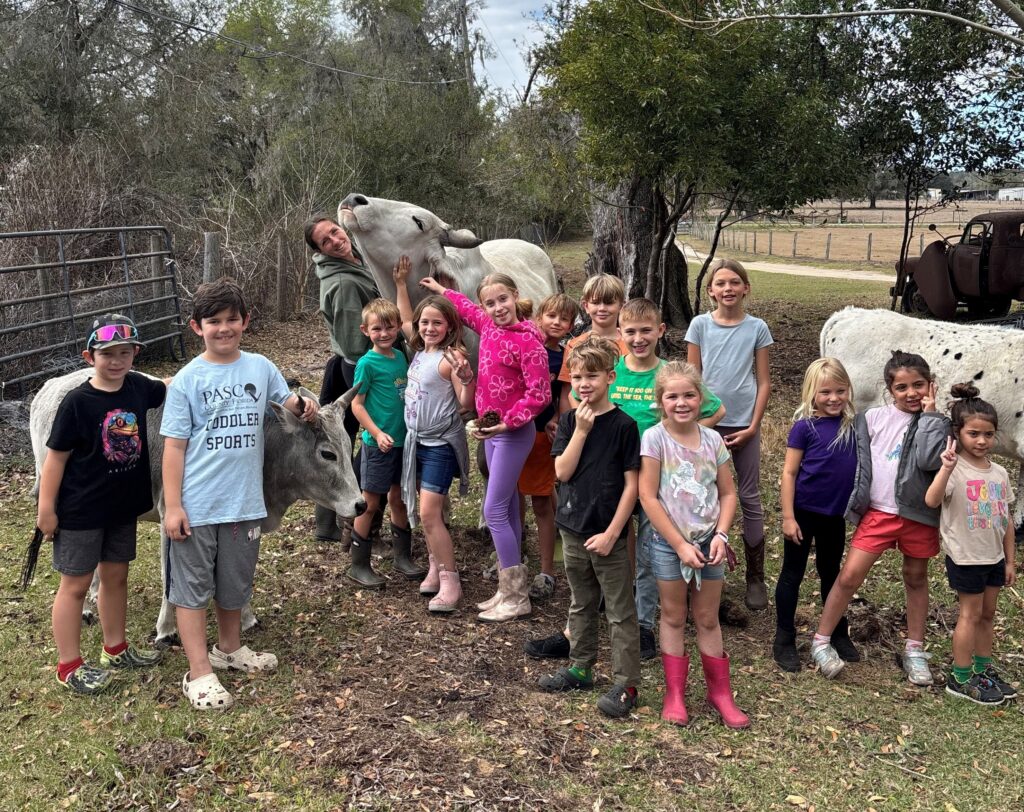
Sarah saw it as another flashing sign in what had become an undeniable string of signs. Her life was headed in a different direction.
Now she runs Florida Farm School, an à la carte learning provider rooted in land and livestock that serves about 50 homeschool students.
Once a week, on Mondays or Thursdays, families bring their pre-school- to middle-school-aged kids to Sarah’s 20-acre spread in the sand hills 45 minutes north of Tampa. Over the course of four hours, they learn how to grow their own food, make their own medicine, build things with their hands, and, more than anything, interact and care for more than 100 animals.
In the process, they learn even deeper lessons. Responsibility. Resilience. Compassion. Curiosity. The value of hard work. The value of teamwork.
Maybe even how to pause and evaluate what really matters.
“When you live in the city, it’s constant noise,” said Sarah, who grew up 60 miles away, in Florida’s most densely populated county. “Go to one of these (Tampa Bay) neighborhoods and tell me if you can hear the birds sing. No wonder we’re all so full of anxiety.”
“Here,” she continued, “the innocence of pure joy every day is infectious.”
Homeschooling on steroids
Florida Farm School is a sweet, quirky story unto itself. But it also represents another big shift in public education in America, with Florida again leading the way.
More than 150,000 students in Florida are now using state support to learn completely outside of full-time schools, up from 8,000 five years ago. Think of it as homeschooling on steroids. Their parents are using flexible state scholarships, aka education savings accounts, to customize their educational programming by mixing and matching from an ever-growing menu of providers. This “à la carte education” is taking shape in more and more states as ESAs gain traction, but nothing on Florida’s scale is happening anywhere else in America.
Sarah Jones would seem to be an unlikely pioneer, except that now, in a state where education choice is the new normal, anybody with a good idea can give it a shot in an education marketplace that gets more vibrant by the day. The number of à la carte providers that aren’t schools now tops 7,000, nearly four times as many as two years ago. Tutors and therapists are the biggest categories, but untold numbers of unconventional providers like Florida Farm School are entering the mix, too.
‘A wildfire of positivity’
Sarah’s background is in business, not education.
She owned a moving company. Then, a residential cleaning company. Then, a construction company. The latter installed cabinets and counters for thousands of new homes all around the Tampa Bay area.
After COVID-19 hit in 2020, things began to change in Sarah’s world. First, little by little. Then, in a revelation.
The way Sarah sees it, “this was my fate,” she said. “I never planned this.”
One day at the baseball field, watching her youngest son play, Sarah spied somebody’s renegade pet rabbit roaming next to the field. She caught it … and took it to a farm she had recently visited … which led to more visits … and to riding horses …
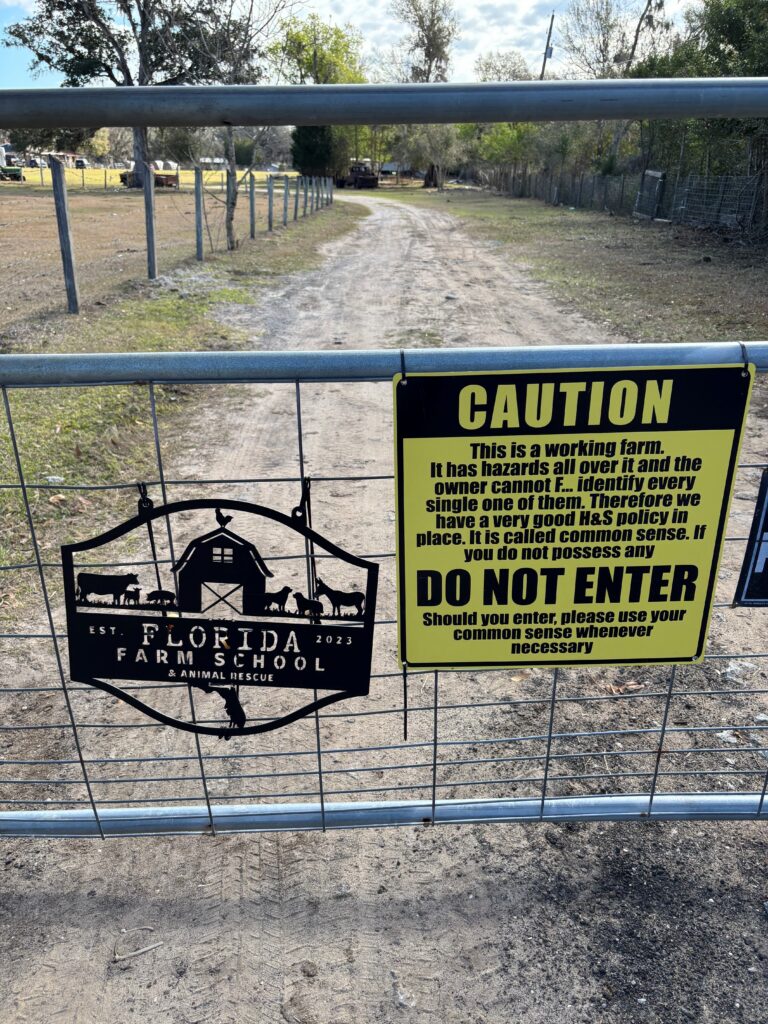
Next thing you know, Sarah and the owner were discussing the possibility of opening an indoor livestock petting zoo, and Sarah began acquiring animals at auction. Ultimately, she decided to go it alone on her land in Dade City, which she had originally bought to develop into ranchettes.
That’s when things started taking a more dramatic turn.
“It’s magic out here,” Sarah said. “I heard the leaves in the trees and birds singing, and it changed me. I couldn’t remember the last time I heard that. I asked myself, ‘How much of this have I missed?’”
Other incidents besides the girl and the pony/unicorn began leaving a deeper impression. Sarah recalled two elderly women who visited the farm, giggling and reminiscing as they sat with baby goats in their laps. Another time, after the farm began serving homeschoolers in 2023, the kids learned how to build herb walls. Then, on their own initiative, some of them went home and taught their neighbors.
What Sarah thought was a simple lesson turned out to be “a wildfire of positivity,” she said.
'No kid is forgotten'
The farm is a multi-dimensional enterprise.
Sarah occasionally takes in farm animals that have been neglected or abandoned. She plans to breed “minis,” little versions of cows, donkeys, and other farm animals that are in growing demand as novelty pets. She also hopes to sell a few acres to a group that wants to cultivate a food forest, a forest-like garden full of edible plants.
A handful of parents help with the learning activities, and in some cases, lead them. As a team, they’ve taught the kids how to make everything from laying boxes for chickens to candles, soap, and ice cream.
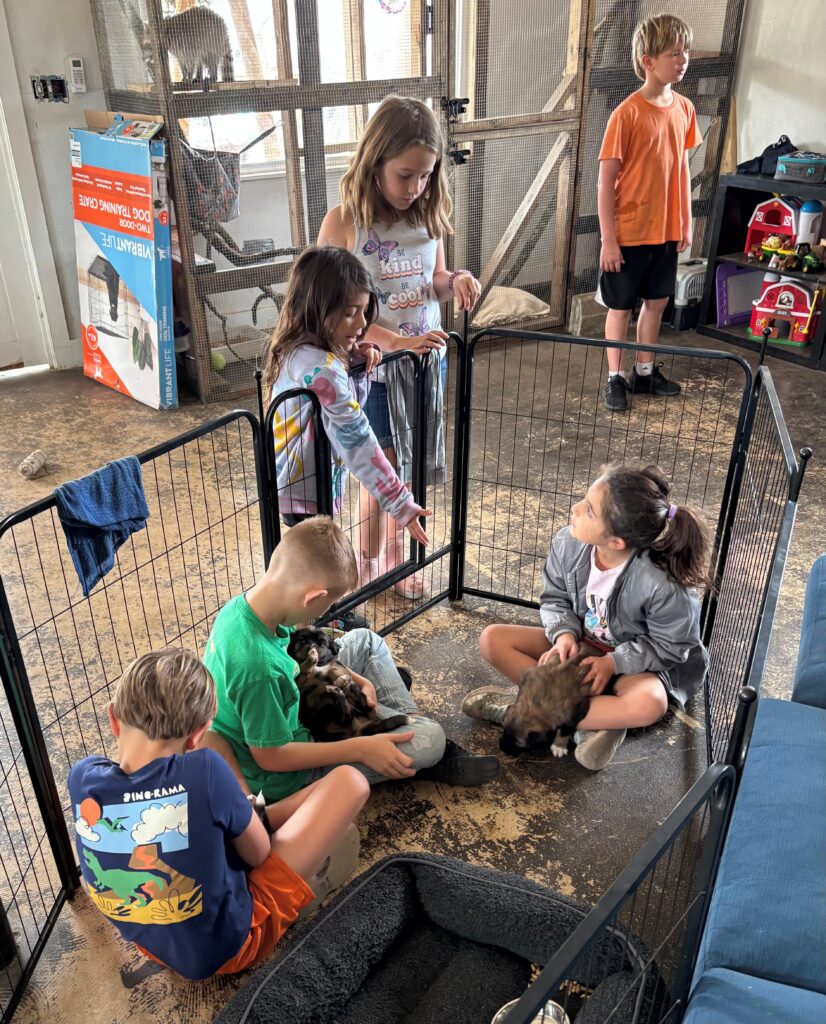
Farm chores are central. The kids muck pens, scrub water buckets, gather eggs. They watch live births and bottle-feed babies. Some of them have taken piglets home and fostered them.
The menagerie in their midst is growing. It now includes at least 50 chickens, 15 turkeys, 15 ducks, 15 cows, 13 pigs, six dogs (not counting a litter of puppies), five donkeys, two goats, two raccoons, and a mule.
The school, though, is the farm’s heart.
The educational offerings are expanding, too. Science activities just kicked off on Fridays, anchored by another à la carte provider, a mobile STEM academy.
Sarah said many of the families served by Florida Farm School are of modest means. They wouldn’t be able to access the school without the choice scholarships.
Andreea Barron said her family is one of them. She’s a former public school teacher. Her husband is in the military.
She said that in six months, the school has been life-changing for her 6-year-old son, Beckham, who uses a scholarship for students with special needs.
Beckham was enrolled in one of the area’s highest rated public schools. Andreea was a teacher there. But while he was excelling academically, he was struggling socially. Andreea decided to homeschool and eventually heard about the farm school.
“He’s blossomed so much,” she said. “The animals are his therapy. The people here and the animals teach him confidence. They make sure no kid is forgotten.”
“You know it in your heart that this is home,” she continued. “I’ll never let go of this.”
Sarah said she won’t either. Once you realize what’s possible when you have “the freedom to explore, and to breathe, and to be you,” she said, you don’t go back.
Maybe public education is learning the same lesson.
The spring trip to Sweden and Finland for a hockey tournament would be a scholastic problem for Nick Hacking if not for a Florida education choice scholarship.
The games will be played over 10 days in April. Add travel to and from that part of Europe, and that’s a lot of time away from school.
“If he were in a (traditional) school and missed that much time in April, I can’t even imagine that,” said Nick’s mom, Corrie.
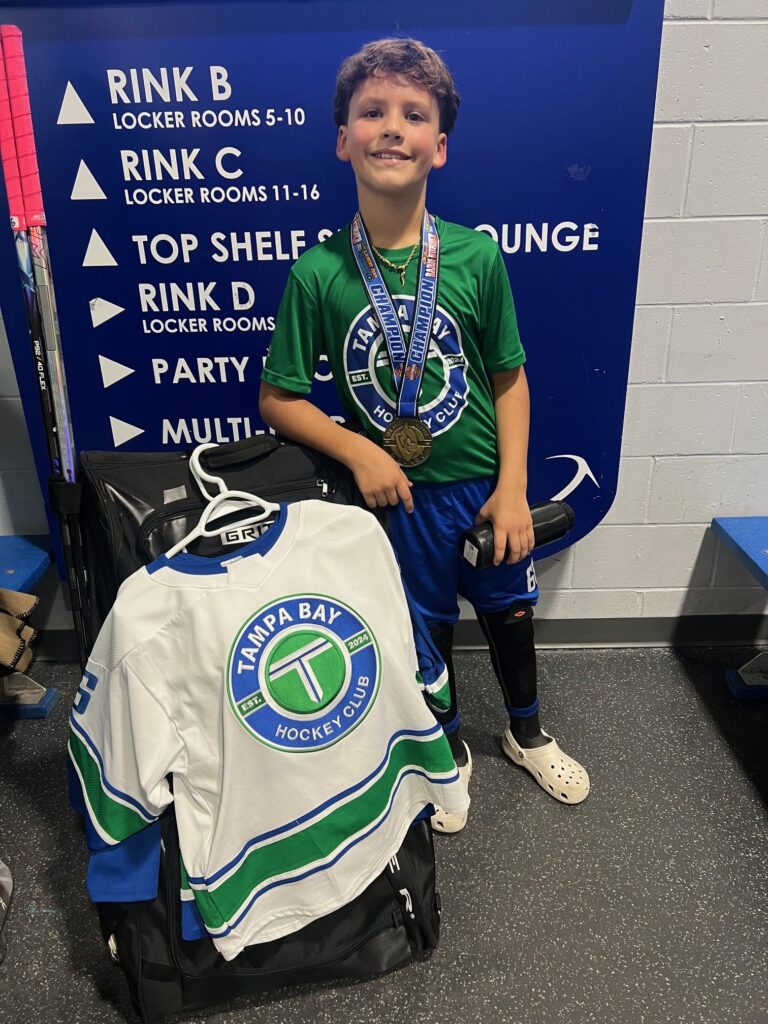
But Nick, 12, is home-educated and receives a Personalized Education Program (PEP) scholarship available through the Florida Tax Credit Scholarship Program.
Not only does the scholarship allow his parents the flexibility to customize Nick’s learning to meet his interests and needs, but because Nick learns at home, he has flexibility in his school day.
So do the more than 76,000 Florida students using the PEP scholarship program managed by Step Up For Students. Families seeking PEP and other school choice scholarships for the 2026-27 school year can apply starting on Feb. 1.
“The PEP scholarship is amazing,” Corrie said. “I cannot recommend it enough. From what I’ve seen with other parents, more and more families are looking into it as an option. You have control over your child’s education and curriculum, and you have control over the scheduling.”
So, when Corrie learned her son was selected for the Tampa Bay all-star team that would compete in a two-week tournament overseas, she took the planner that lists Nick’s spring curriculum, grabbed a pen, and made some adjustments.
“I said, ‘Okay, we still need to get these lessons done. How do we get these lessons done?’” Corrie said.
Easy. You squeeze in a little more time in March for math and science, and maybe double up on language arts.
“And when we get to April,” Corrie said, “we’re still ahead.”
Nick can even pack some schoolwork along with his ice skates, hockey stick, and equipment, and study while in Stockholm or Helsinki, two of the tournament sites.
“It gives us that flexibility,” Corrie said.
Corrie made similar adjustments last year when Nick traveled to Detroit for a hockey tournament.
The Hackings live in Palm Harbor, not far from the Tampa Bay Skating Academy in Oldsmar, where Nick practices with his Tampa Bay Hockey Club team. Nick has been playing hockey for six years, making the move from youth football after an ice-skating outing with his friends.
“He just put the skates on his feet and took off,” Corrie said.
He is a defenseman, partly because he’s not afraid of contact with opposing players and partly because he can blast the puck on net with long-range slap shots. He is among the top scorers on his team.
Not surprisingly, Nick’s weeks are filled with hockey. There are near-daily practices, Thursday morning training sessions, and Thursday afternoon skate-and-shoot sessions.

Nick spends almost his entire Thursday at the Tampa Bay Skating Academy. This also worked into his school schedule. He does the bulk of his schoolwork on Mondays, Tuesdays, Wednesdays, and Fridays. There is some time set aside on Thursday mornings for a quick lesson or review; otherwise, the day is reserved for hockey.
Nick said he loves the flexibility of learning at home, where the school day normally begins at 9 a.m. and ends in the early afternoon. Plus, his teacher (his mom) allows for a little rec time if she feels Nick needs some exercise.
Sometimes he'll take the dogs for a walk. Sometimes he’ll retreat to the family’s garage and begin shooting pucks at the walls.
“There are dents,” Corrie said with a measure of pride found among hockey moms.
Scott, a telemedicine family physician who works from home, and Corrie, a stay-at-home mom, began homeschooling Nick and his sister, Natalie, during the 2023-24 school year. (Natalie has since returned to her district school.)
Prior to that, Nick and Natalie attended a hybrid private school, which they attended three days a week with the other two spent at home.
“After doing the two days a week at home, I thought, “I can do this. I can do all of this," Corrie said. “I love it because I don't have to worry about someone I don't know teaching my kids.”
And she likes how she can tailor the curriculum. Nick is interested in math and science, where his average is in the high-90s in both. He spent two years learning Latin because he found the ancient language interesting, though he recently switched to Italian.
Natalie is a competitive cheerleader. Scott and Corrie frequently separate on weekends so one can attend Natalie’s cheer competition in one part of the state, and the other can put on a coat and gloves and sit inside a chilly ice rink to watch Nick play.
“We encourage our kids to do what makes them happy,” Corrie said.
If you want more proof of that, look no further than the Hackings’ oldest daughter, Dilyn.
“She’s a welder,” Corrie said. “She melts metal all day.”
So, they feed Natalie’s passion for cheerleading and nurture Nick’s dreams of one day skating for an NHL team.
And when needed, Corrie sits down with Nick’s class planner and makes the necessary adjustments, made possible by PEP.
When I think about the state of public education in Florida, I recall a song from “The Wiz,” the 1978 film reimagining of “The Wizard of Oz,” where Diana Ross sang, “Can’t you feel a brand new day?”
It’s a brand new day in our state’s educational history. Parents are in the driver’s seat deciding where and how their children are educated, and because the money follows the student, every school and educational institution must compete for the opportunity to serve them.
Public schools are rising to meet that challenge.
For the past year, helping them has been my full-time job.
Today, 27 of Florida’s 67 school districts have contracted with Step Up For Students to provide classes and services to scholarship students, and another 10 have applied to do so.
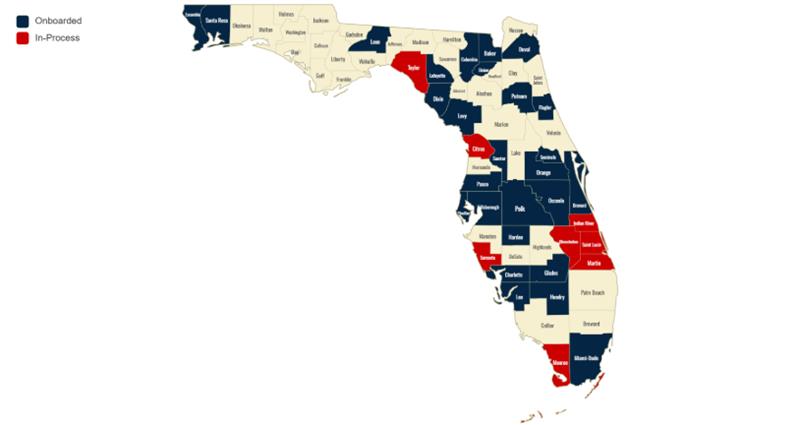
That’s up from a single school district and one lone charter school this time a year ago.
This represents a seismic shift in public education.
For decades, a student’s ZIP code determined which district school he or she attended, limiting options for most families. For decades, Florida slowly chipped away at those boundaries, giving families options beyond their assigned schools.
Then, in 2023, House Bill 1 supercharged the transformation. That legislation made every K-12 student in Florida eligible for a scholarship. It gave parents more flexibility in how they can use their child’s scholarship. It also created the Personalized Education Program (PEP), designed specifically for students not enrolled in school full time.
This year, more than 80,000 PEP students are joining approximately 39,000 Unique Abilities students who are registered homeschoolers. That means nearly 120,000 scholarship students whose families are fully mixing and matching their education.
Families are sending the clear message that they want choices, flexibility, and an education that reflects the unique needs and interests of their children.
Districts have heard that message.
Parents may not want a full-time program at their neighborhood school, but they still want access to the districts’ diverse menu of resources, including AP classes, robotics labs, career education courses, and state assessments. Families can pay for those services directly with their scholarship funds, giving districts a new revenue stream while ensuring students get exactly what they need.
In my conversations with district leaders across the state, they see demand for more flexible options in their communities, and they’re figuring out how to meet it.
For instance, take a family whose child is enthusiastic about robotics. In the past, their choices would have been all-or-nothing. If they chose to use a scholarship, they would gain the ability to customize their child’s education but lose access to the popular robotics course at their local public school. Now, that family can enroll their child in a district robotics course, pay for it with their scholarship, and give their child firsthand technology experience to round out the tutoring, curriculum, online courses and other educational services the family uses their scholarship to access.
Families can log in to their account in Step Up’s EMA system, find providers under marketplace and select their local school district offerings under “contracted public school services.” School districts will get a notification when a scholarship student signs up for one of their classes. From large, urban districts like Miami-Dade to small, rural ones like Lafayette, superintendents are excited to see scholarship students walk through their doors to engage in the “cool stuff” public schools can offer. Whether it’s dual enrollment, performing arts, or career and technical education, districts are learning that when they open their arms to families with choice, those families respond with enthusiasm.
Parents are no longer passive consumers of whatever system they happen to live in. They are empowered, informed, and determined to customize their child’s learning journey.
This is the promise of a brand new day in Florida education. For too long, choice has been framed as a zero-sum game where if a student left the public system, or never even attended in the first place, the district lost. That us-versus-them mentality is quickly going the way of the Wicked Witch of the West. What we are witnessing now is something far more hopeful: a recognition that districts and families can be partners, not adversaries, in building customized learning pathways.
The future of education in Florida is not about one system defeating another. It is about ensuring families have access to as many options as needed, regardless of who delivers them.
As Diana Ross once sang, “Hello world! It’s like a different way of living now.” It has my heart singing so joyfully.
If education freedom were a hockey game, Florida just scored a Texas hat trick.
For the fourth consecutive year, Florida was ranked the No. 1 state for education freedom for K-12 students and families in The Heritage Foundation’s annual Education Freedom Report Card. The 2025 Heritage rankings come after a landmark year of state legislative sessions that delivered wins for students and families.
Florida leaders credited the state’s ranking to policies that give parents control over their children’s education dollars, offering a plethora of choices, including a la carte courses provided by school districts and charter schools.

Florida Gov. Ron DeSantis signs HB 1, which offered families universal eligibility to Florida education choice scholarship programs.
“In Florida, we are committed to ensuring parents have the power to make the education decisions that are best for their child,” said Gov. Ron DeSantis, who in 2023 signed legislation that offered universal eligibility for K-12 state education choice scholarship programs that allow families to direct their dollars toward the best options for their children. “Florida offers a robust array of educational choices, which has solidified our state as a national leader in education freedom, parental power, and overall K-12 education.”
Commissioner of Education Anastasios Kamoutsas said earning the top ranking for four years affirms the state’s long-term commitment to families.
“Under Governor DeSantis’ leadership, Florida will continue honoring parents’ right to choose the best educational option for their child’s individualized needs. I am proud that Florida offers so many educational options that parents can have confidence in.”
Since the Education Freedom Report Card began in 2022, Florida has earned the top ranking every year. The report card uses five categories: school choice, transparency, regulatory freedom, civic education, and spending to rank states.
In addition to Florida receiving the overall top spot for Education Freedom, it also earned high rankings in the following categories:
Earlier this year, the Sunshine State also earned national recognition for putting dollars behind its policies. In January, the national advocacy group EdChoice put Florida first on its list of each state’s spending on education choice programs proportional to total education spending.
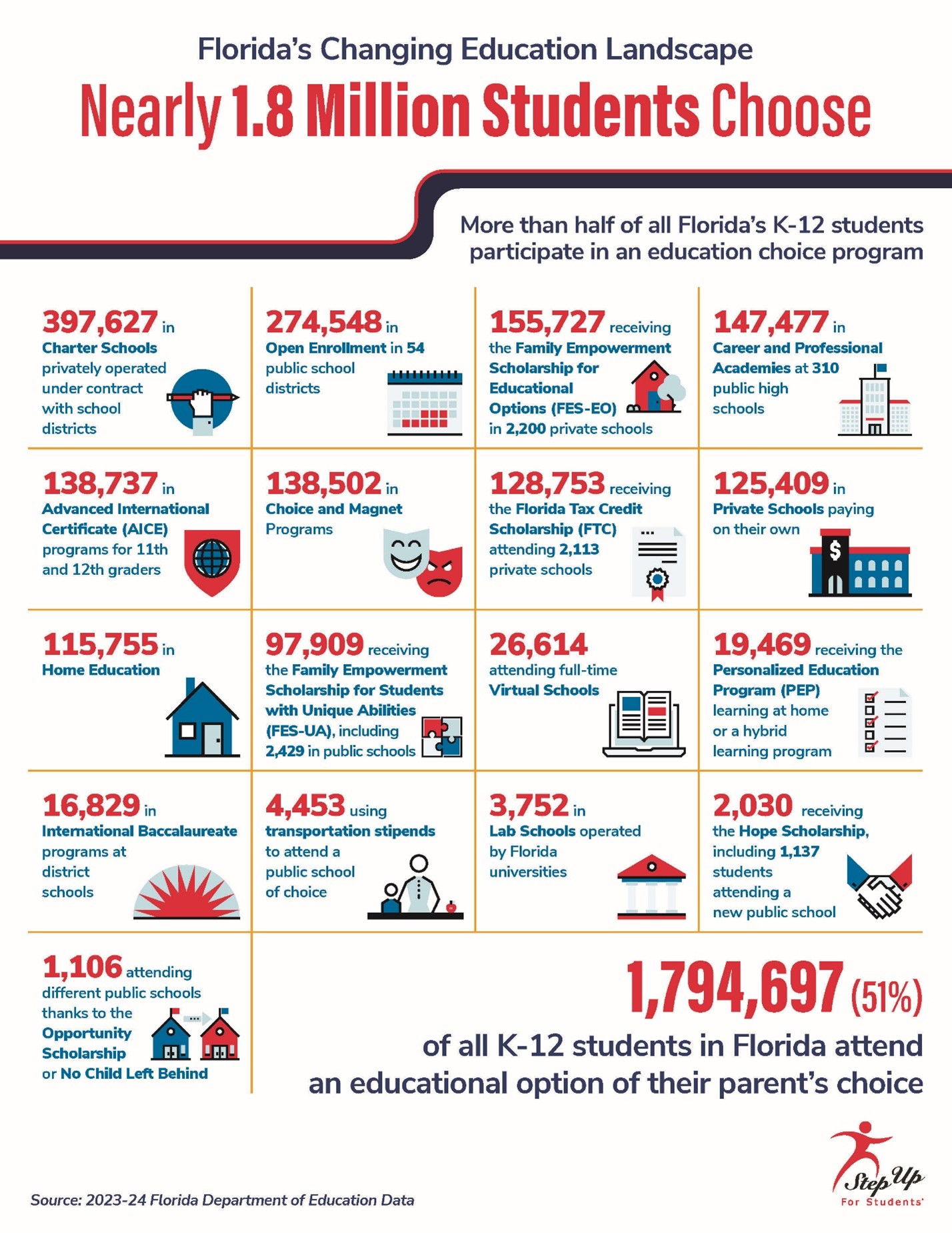 According to the EdChoice report, Florida became the first state to spend more than 10% of its combined private choice and public-school expenditures on its choice programs, rising from an 8% spending share in 2024.
Florida also reached a historic milestone when, for the first time, more than half of all K-12 students were enrolled in an educational choice option. During the 2023–24 school year, 1,794,697 students, out of the state’s approximately 3.5 million K-12 population, used a learning option other than their assigned district school.

