 At the annual Florida School Choice Conference and School Choice Summit, attendees got their customary sendoff from Jim Horne, a former state senator, state education commissioner and pioneer of the state’s charter school movement.
“We were charged to be laboratories of innovation,” he told the audience of school leaders in his keynote speech. “I challenge you to step out of the proverbial box. If you don’t innovate, you will stagnate.”
So far, charter schools have resisted the forces of stagnation. A report from the National Alliance for Public Charter Schools shows charter schools added 83,000 new students during the 2023-24 school year, as enrollment in other public schools shrank.
This school year, they added thousands more students in Florida. Recent figures from the state Department of Education show statewide charter school enrollment topped 400,000 during the 2024-25 school year.

Source: State Department of Education
That growth comes two years after state lawmakers passed House Bill 1, which allowed universal education choice scholarship eligibility and created the Personalized Education Program, a flexible scholarship for parents who fully customize their children’s education.
The legislation unlocked new opportunities for charters to heed Horne’s call to serve as laboratories of innovation by providing a la carte classes and services to scholarship students who did not attend public or private school full time. Need AP chemistry or calculus? No problem.
So far, five charter school organizations have partnered with Step Up For Students to offer individual courses to scholarship families, with more in the works.
“I think it’s a great idea and something that fits right into the charter school realm,” said Karen Seder, director of educational standards at Kid’s Community College, which operates three schools, including one that includes middle school, in Riverview, a southeastern suburb of Tampa.
The schools expect to begin offering courses soon after leaders decide what might work best. Seder said it might be easier to offer electives first and add core academics after seeing how things work out.
Though she sees the ability to help part-time students as a win for everyone, she sees the need to protect charter schools’ uniqueness, which comes from their ability to offer strong organizational cultures and coherent, specialized programs, for example, STEM, music or programs for students with learning differences. However, she called the push to maximize options for as many students as possible “the right mindset” for society.
“Ultimately, when you and I are no longer working and need somebody to take care of us, all these kids are going to be the ones responsible, so it shouldn’t matter to us if they’re homeschool or private school or public school or charter school or wilderness school, she said. “We need to make sure we’re raising kids that have the best education that we can, and our public dollars should be going to all of our kids.”
This school year, Florida is empowering half a million students to direct funding to education options of their family’s choice.
In the 2023-24 school year, after Gov. Ron DeSantis signed HB 1, Florida saw the largest single-year expansion of education choice scholarships in U.S. history. That growth continued in 2024-25.
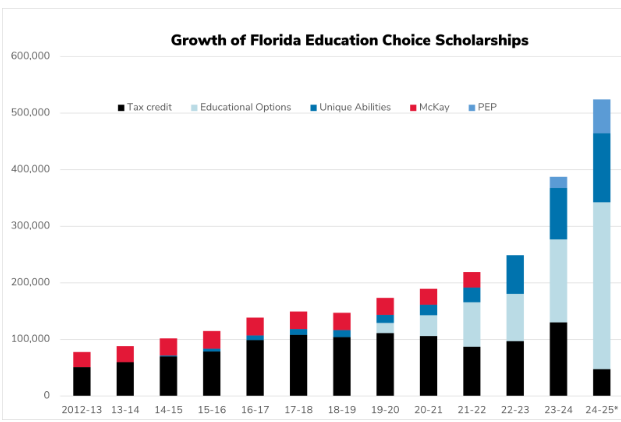
Florida’s education choice scholarship programs have grown steadily over the past decade. *Numbers for the 2024-25 school years are preliminary. In 2022, the McKay Scholarship and Unique abilities programs merged.
The numbers look like this:
With more than 500,000 K-12 students participating in some type of full-time education savings account, Florida is home to nearly 7 of every 10 students using such programs nationwide.
If the students using these programs in Florida counted as a school district, it would be the largest in the state and third-largest in the country, trailing only New York and Los Angeles.
Add it all up, and half a million Florida students will direct funding from a state-supported program to access a learning option of their family’s choice. This is a milestone 25 years in the making.
As the movement for education options gains momentum across the country, there remains a clear national leader: Florida.
This school year, the Sunshine State’s education savings account programs are larger than their counterparts in every other state put together. Including programs that provide flexible funding to public-school students, they are on track to serve more than 500,000 students this year.
To put the scale of these options in perspective, if students in Florida’s scholarship programs counted as a school district, it would be the third largest in the country, after New York City and Los Angeles.
But this is not simply a story about scale or numbers. ESAs allow families to direct education funding to eligible learning options of their choice. The ability to personalize a child's education empowers families in profound ways.
Meet five families who have taken control of their children’s educational destiny.
Caleb Prewitt
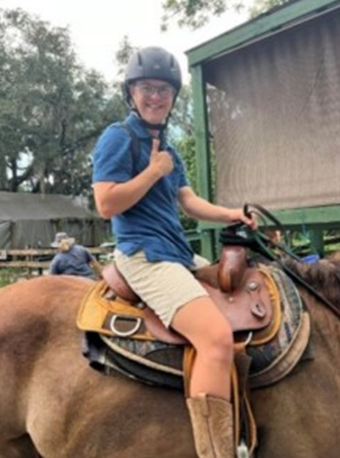
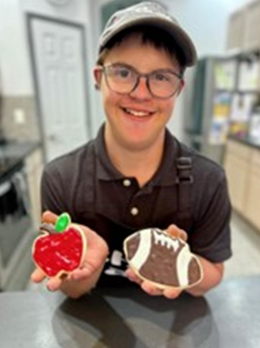 Caleb has been riding horses since he was 4 years old. Caleb is now 17 years old and has participated in 36 triathlons. He recently raced the international distance, which is an 800-meter swim, 16-mile bike, and 10k run. He was the youngest competitor (all divisions) for the International.
“We have set out from early on not to put limits on him; to keep our expectations high,” his mom, Karen, told me. “With opportunities and support, so much is possible for people with disabilities. So much more than is expected.”
Caleb is a well-known figure in his community and on social media, where he shares uplifting news, spreads joy and offers cooking lessons to his followers. Caleb’s love for the culinary arts shines through as he bakes cookies for Happy Brew, a local coffee shop that employs individuals with unique abilities.
Caleb loves going to school, says Karen. He attends North Florida School of Special Education in Jacksonville. She notes that the scholarship not only brightens Caleb’s life but also brings joy to their family, as it has created many opportunities and opened doors for them. “For several years, Caleb has benefitted from the FES-UA scholarship, which has provided him with a supportive learning environment and numerous unique opportunities,” Karen said. “We are deeply grateful for the positive impact it has had.”
Viktoriia Galushchak
The Galushchak family immigrated to the United States from Ukraine three years ago to escape the war. The family was in a new country, speaking a different language with no car and little money. But at age 11, Viktoriia really wanted to go to school to make some friends. “We are so grateful for Step Up because it allowed us to put our children into private school,” her mother, Olga Galushchak, explained.
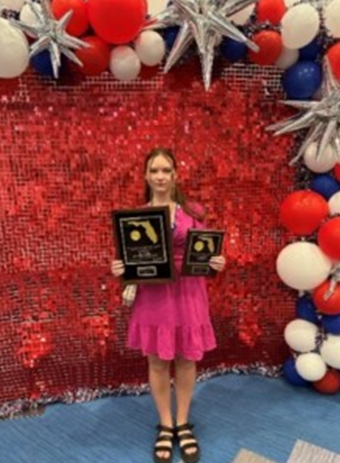
The family found St. Paul Catholic School that was a 10-minute walk from their house, and Viktoriia enrolled in the spring of 2022. Olga says it was such a blessing. Viktoriia’s English was strong from studying it in Ukraine, so her transition to school went well. At home, the family speaks only English one day a week to strengthen their skills.
Viktoriia entered the school science fair in seventh grade. Her project: creating a computer program to help deaf and mute people. She was inspired by an experience with car trouble during their journey to America. They received help from two men who were deaf and mute, and Viktoriia was determined to find ways to help people like them communicate more effectively. The project won third place in the state science fair in 2023.
Viktoriia set her sights on first place for the eighth-grade science fair. She created a program to help children learn foreign languages that would give them real-life examples while they used it. This project won first place in the state science fair, and she received a grant award for the project. Viktoriia and her family are eagerly waiting to learn if she will be selected to present her project at the national science fair in Washington, D.C.
Viktoriia is now a freshman at a Bishop Kenny High School in Jacksonville, still using the Florida Tax Credit scholarship to help pay tuition. The family is grateful for the scholarship, and they do not think Viktoriia’s last three years would have been the same if she did not have the opportunity to attend a school that fit her needs so well.
Kingston, Zecheriah and Gabriel Lynch III
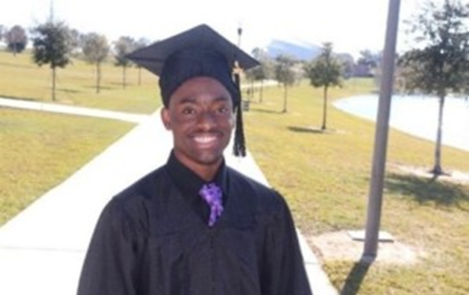
When the COVID-19 pandemic hit, the Lynch family had to quickly adapt, and they chose to transition from a private school to homeschooling.
Even after the pandemic ended, the family continued homeschooling. In 2023, their three children received the newly established Personalized Education Program (PEP) scholarship, which they say has been instrumental in their journey.
The scholarship provided invaluable resources, including one-on-one tutoring. This personalized support made a profound difference in Kingston, who struggled in math but began to make significant strides. Mom said the scholarship allowed him to receive tutoring with a certified math teacher, who can pinpoint his needs and ensure he understands the material before moving on.
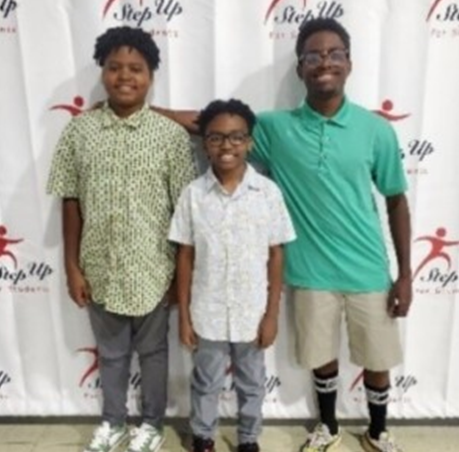
The Lynch family’s homeschool setup now includes daily tutoring, vocal lessons, and a range of educational resources, transforming their learning environment into one that nurtures each child's growth. Parents Krystle and Gabe Jr., who is a district school PE teacher, have successfully balanced their professional and family responsibilities while supporting their children's education. Their Jamaican and Panamanian heritages have added depth to their homeschool experience: the boys are taking Spanish this year. Both parents are very committed to a strong education and work ethic, so they try to incorporate these values in their schooling. Reflecting on the impact, Krystle says, "I am so excited for the families that will receive the PEP scholarship this year. [It’s] an amazing program that caters to students individually. Such a blessing."
Sebastian and Alejandro Broche
Aimée Uriarte, a dedicated single mother from Costa Rica, made a pivotal decision four years ago to move to the United States, driven by her commitment to providing her sons with a strong educational environment that would offer exceptional opportunities.
Her eldest son, Sebastian, now 18, graduated with honors from Christopher Columbus High School in Miami which he attended thanks to the Family Empowerment Scholarship for Educational Options (FES-EO). As president of the school's student-run broadcast news program, Sebastian led a team that won numerous national accolades. In fact, the brothers have combined to win more than 60 awards for directing and graphics. Sebastian earned a $4,500 per semester scholarship from the National Academy of Television Arts & Sciences, received a $7,500 grant from Media for Minorities, and received the Mike Wallace Memorial Scholarship, worth $10,000, funded by CBS News.
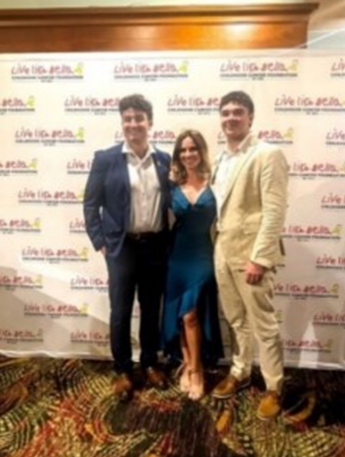
Alejandro, who recently turned 16, has attention deficit disorder, which qualified him for the Family Empowerment Scholarship for Students with Unique Abilities (FES-UA). The previous school he attended during the pandemic wasn't meeting his needs, but Aimee was confident that the Catholic high school was the right environment for her son to reach his full potential. Her belief was confirmed when Alejandro, as a freshman, won a Student Television Network national award in Long Beach, California, following in his brother's footsteps. A year later, he took first place for a nationwide commercial and won several Student Emmys, including one for best graphics in the recognized documentary "Live Like Bella."
Aimée credits these remarkable accomplishments and transformative opportunities available to her sons to the vital support of the scholarships. “I think every family deserves the scholarships, regardless of income or their child’s conditions,” said Aimée, who added, “I think the whole country should emulate Florida.”
Vanessa Giordano
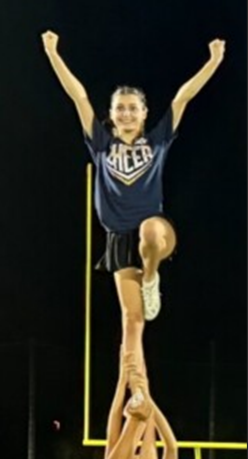 Vanessa is a thriving 16-year-old in 10th grade. However, her early years as a premature twin were not so easy. She struggled to meet developmental milestones and was diagnosed with dyslexia. Her mom, Alicia, worked hard to advocate for education options in Texas. In 2023, their family moved to Florida and were delighted to learn the state offered a scholarship program for children with unique abilities.
Fast forward. Vanessa is now in her second year at Bishop McLaughlin High School in the Tampa Bay area and using the Family Empowerment Scholarship for Unique Abilities. Her teachers have encouraged her to explore her talents and try new things. She is an active member of the worship team and enjoys singing at school events. She had her first role in a school play as “Chip” from “Beauty and the Beast.” She is also a sideline cheerleader and part of the competitive cheer team. Despite her robust extracurricular schedule, Vanessa always maintains grades that keep her on the honor roll.
“I am so grateful for Step Up for Students for helping my daughter,” Alicia Giordano says. "Every child can soar if given the opportunity to be in the right school for them and Step Up for Students makes this dream possible.”
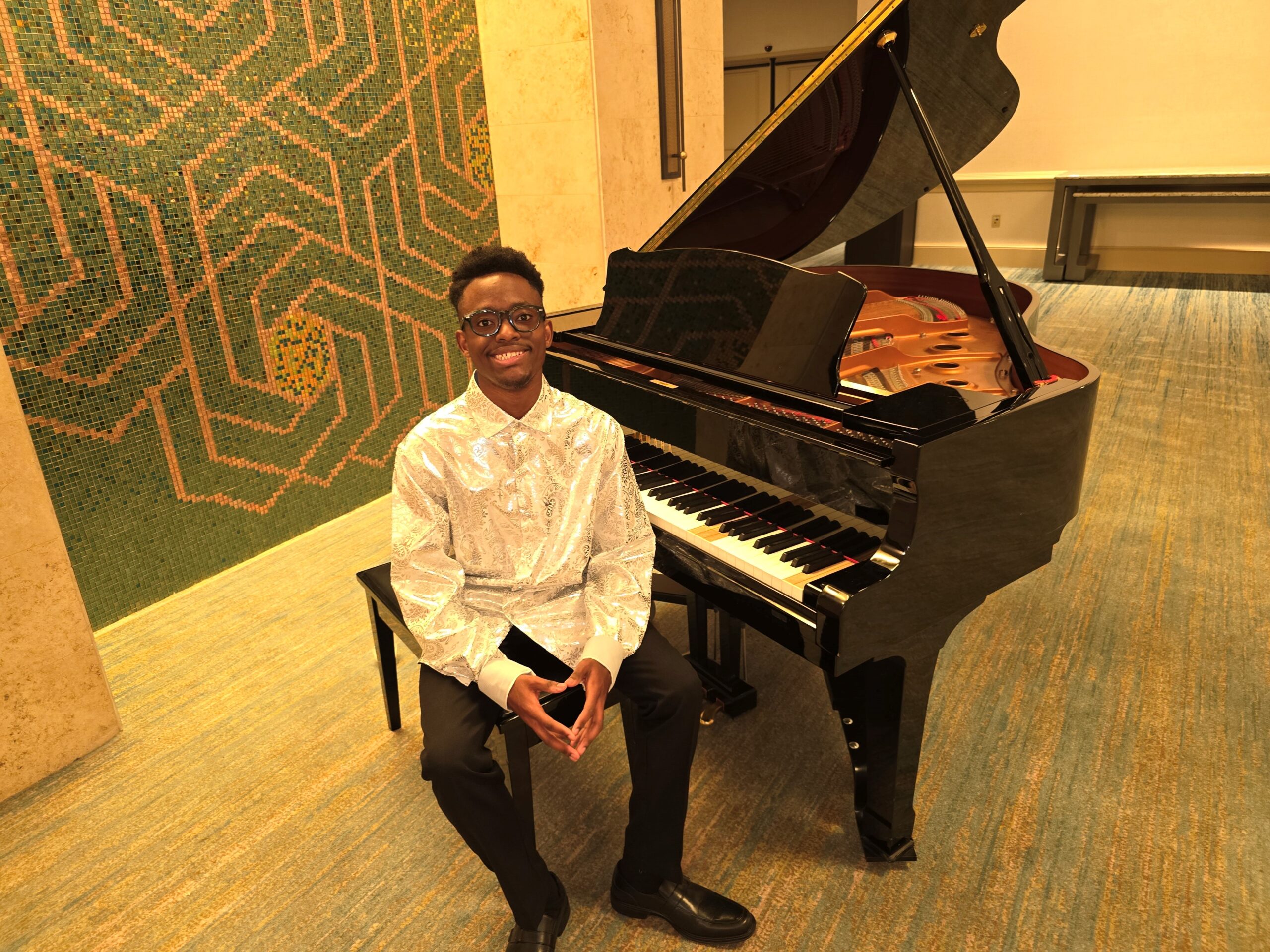
Gabriel is the first PEP alumnus to join the American Federation for Children.
Gabriel Lynch III is new to his role as an education choice advocate. Though in essence, he’s been doing it nearly all his life.
He’s a product of both private and homeschooled education. He’s attended brick-and-mortar schools and studied virtually.
Along the way, Gabriel, 19, has become an ordained minister, a motivational speaker, an accomplished pianist, and a published author.
Those wondering about the benefits of education choice need only listen to Gabriel.
“School choice changed my life to who I am today,” he said.
Today, Gabriel is a college freshman majoring in music at Seminole State College in Lake Mary. His education from kindergarten through high school was supported by scholarships managed by Step Up For Students, from the Florida Tax Credit Scholarship to the Family Empowerment Scholarship for Educational Options to the Personalized Education Program (PEP), which he used to homeschool in 2023-24, his senior year of high school.
“I want kids to have the same experiences I had,” he said.
That’s why Gabriel joined the American Federation for Children (AFC), an organization that strives to bring education choices to families nationwide. Gabriel was recently accepted into AFC’s Future Leader Fellowship, a year-long internship program that will prepare him to meet with lawmakers around the country to promote education choice.
Read about Gabriel's story here.
A number of Step Up For Students alumni advocate for AFC. One of them, Denisha Merriweather Allen, founded Black Minds Matter and serves on Step Up For Students' governance board. Gabriel is the first to have benefited from a PEP scholarship. The scholarship, which began during the 2023-24 school year, is an education savings account (ESA) for students who are not enrolled full-time in a public or private school. This allows parents to tailor their children’s education by allowing them to spend their scholarship funds on various approved, education-related expenses.
Gabriel’s mom, Krystle, used PEP to homeschool Gabriel and his two brothers, Kingston (eighth grade) and Zechariah (sixth grade).
A longtime advocate for education choice, Krystle and her husband, Gabriel Jr., who live in Apopka, want to take control of their children’s education. PEP allowed them to tailor the curriculum for each son.
“They have different learning paths,” she said.
Krystle is ecstatic that her oldest son is following in her advocacy footsteps.
“This has been something that has been on my heart for many years, and to see him carry on the message, that's exactly what I've always dreamed of,” she said.
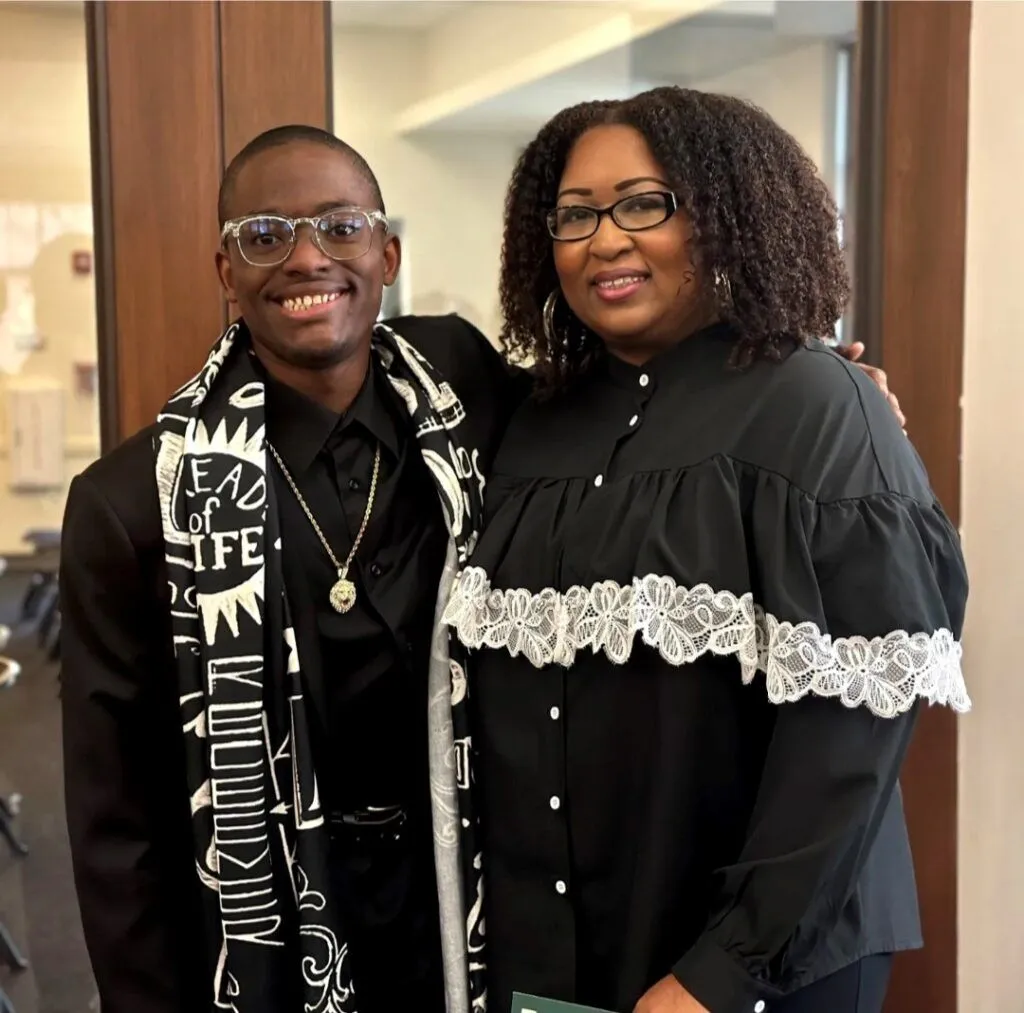
By joining the American Federation for Children, Gabriel is following in Krystle's footsteps as an advocate for education choice.
Gabriel said school choice helped mold him. Attending a faith-based school led him to become an ordained minister and a public speaker. Using the PEP scholarship for piano, guitar, and voice lessons fostered his love of music and helped shape what he hopes to be his career path. He wants to be a composer.
“There are so many things I am right now because of school choice,” Gabriel said. “I think it’s because my parents put me where I fit best because even when I was in private school, I could fit in. I found my group, I found my clique, and that's why I say it really changed my life.”
Gabriel is eager to share his story with lawmakers in states that don’t have education choice. Last year, advocates from the AFC Future Leaders program volunteered on the front lines of the fight to support education choice legislation in Nebraska.
“It’s giving parents options to choose where their kid fits best,” he said. “that’s what I will tell them. I think that would be amazing for those states that don't have school choice options.”
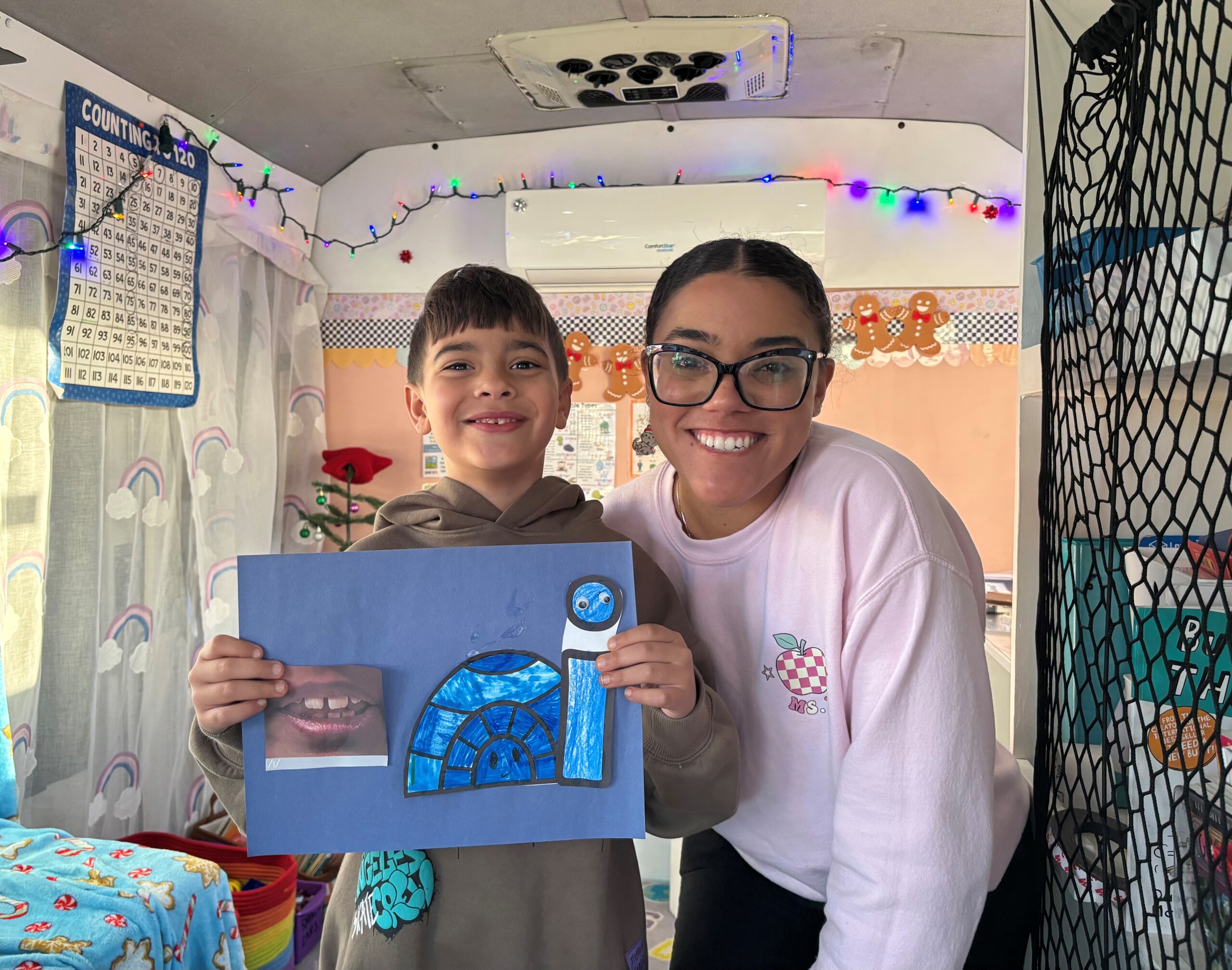
DAVENPORT, Fla. – Valeria Oquendo didn’t set out to be an entrepreneur. “Ms. V,” as her students call her, had wanted to be a teacher since she was a teenager. On her way to an elementary education degree, she interned at a public school and, initially, those dreams became even clearer.
“Still in my brain I was thinking, ‘I’m going to graduate, I’m going to have my perfect classroom, I’m going to be a first grade teacher,’ “she said.
But then, in education-choice-rich Florida, a funny thing happened.
Oquendo’s “side hustle” became her full-time gig.
When COVID-19 hit in 2020, friends and family begged Oquendo to tutor their children, many of whom were struggling with online instruction. Oquendo was still in college. But before she knew it, she was tutoring 20 kids.
The light bulb flickered on.
Today, Oquendo runs Start Bright Tutoring, a mobile tutor and a la carte education provider in this insanely fast-growing corner of metro Orlando.
She focuses on elementary reading and math, with 20 to 30 students who are homeschooled or in public schools. A handful use state-supported education savings accounts (ESAs), and it’s highly likely even more will use them in the future.
Demand is soaring. When Oquendo pitched her business on TikTok, mayhem ensued: She racked up hundreds of thousands of views and put 70 students on a wait list before being forced to stop taking calls.
Now Oquendo sees a future outside of traditional schools not only for herself, but for other young educators. As choice continues to expand, she said, more and more can tap into the new possibilities.
“Everybody has their niche,” said Oquendo, 26. “It all depends on the effort and not giving up.”
Florida is humming with former public school teachers who, thanks to choice, have created their own learning models. Their often-inspiring stories (like this and this and this) are becoming commonplace.
Oquendo, though, is the next wave: Educators creating their own options instead of becoming traditional public school teachers.
Oquendo represents a couple of other fascinating trend lines, too.
She’s a niche provider instead of a school, which allows her to serve Florida’s fastest-growing choice contingent: a la carte learners.
Florida has multiple ESA programs that give families flexibility to pursue options beyond schools. With ESAs, they can choose from an ever-growing menu of providers, like Start Bright, to assemble the program they want. The main vehicle for doing that, the Personalized Education Program scholarship, met its state cap of 60,000 students this year, up from 20,000 last year.
Oquendo’s decision to create an option on wheels is also noteworthy.
Florida’s education landscape gets more diverse and dynamic every day. But it’s still rife with frustrating stories about talented teachers trying to set up microschools and other innovative models, only to run into outdated zoning and building codes and/or code enforcers who seem to be curiously inflexible. (Thankfully, some still find happy endings.)
Until those barriers are addressed, going mobile – something choice visionaries suggested nearly 50 years ago – may be one way out.
Oquendo is the daughter of a police officer and an accountant. After Hurricane Maria devastated Puerto Rico, the family moved to Florida, and she enrolled in the University of Central Florida.
Oquendo said she was fortunate to have an amazing teacher as her mentor when she interned at a public school. But she was also haunted by the moment the teacher told her the class needed to move on to the next unit of study, even though several students, including one with a learning disability and another learning English, were not ready.
“She said, ‘This is what we do.’ “Translation: We have to move on.
That experience pushed Oquendo to choose a different path, too.
Initially she wanted to steer her tutoring venture into a microschool. She found a good location, but the building needed $15,000 in adjustments to meet building codes, and even then, there was no guarantee of a green light from local officials. Oquendo was bummed. Thankfully, her mom came to the rescue, inspired by a mobile grooming service the family uses for its Schnauzers.
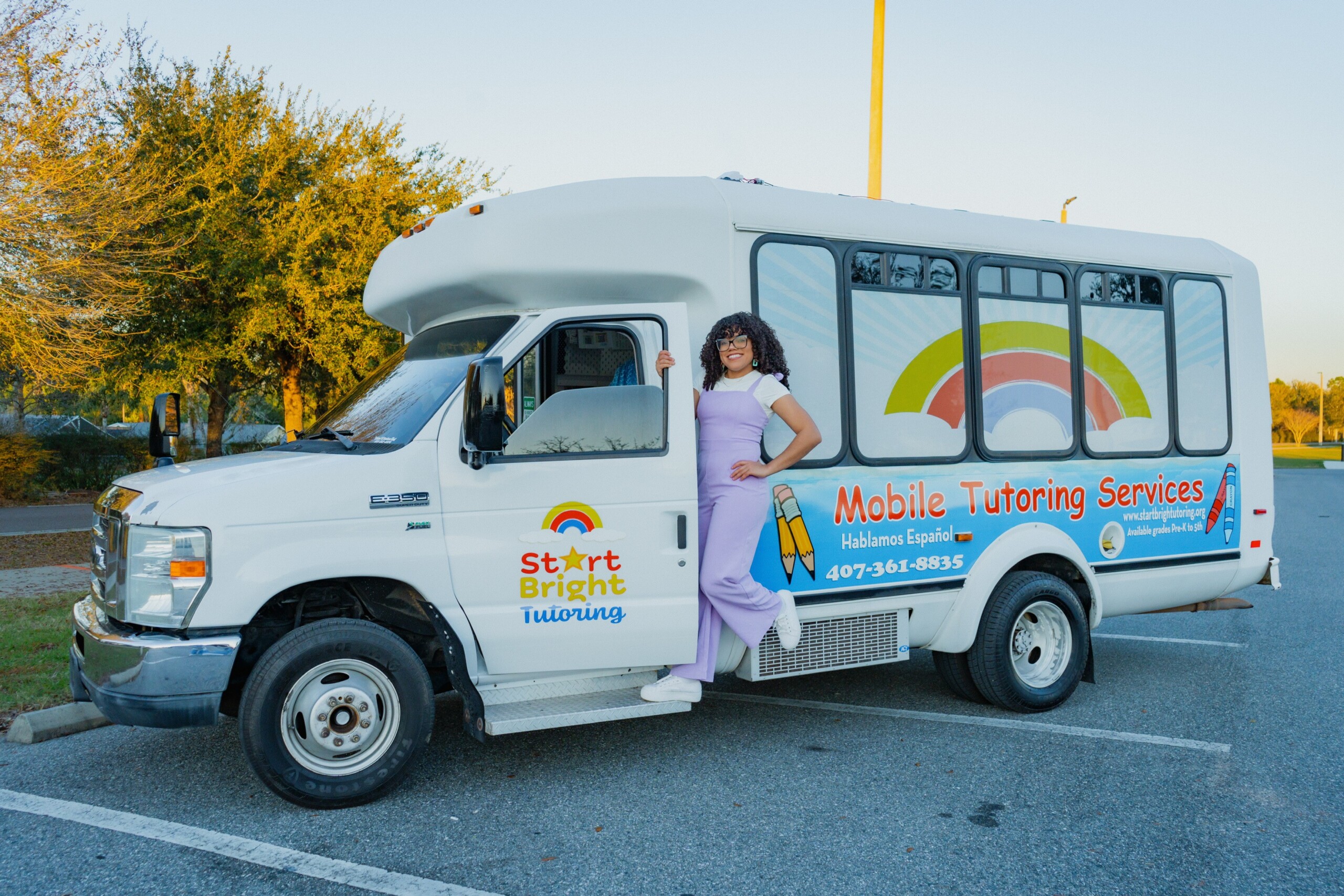
“She said, ‘Why don’t you get a van and make it a mobile classroom?” Oquendo said. “I was like, ‘Mom, the kids are not pets.’ “
Upon further investigation, mom was on to something. In the summer of 2021, Oquendo spent $8,000 for a 2014 Ford E-350 shuttle bus, then another $7,000 to turn it into a mini-classroom. Ms. V’s van is complete with desks, bins, lights, shelves, computers – and just about anything else you’d find in a typical classroom.
That fall, Oquendo was up and running, visiting students in their homes. At some point, she realized she could reach more families if she parked at locations that were still convenient – like shopping plazas – and have them meet her there.
Oquendo’s TikToks came just months after she earned her degree. The response was understandable, she said, given that many families lived the same reality she witnessed as an intern.
“It’s the system,” she said. “If it was better, we wouldn’t have the demand.”
Oquendo said many families also respond to her because they share a cultural connection. She was still struggling with English when her family moved to Florida, and many of her students are English language learners, too. She offers living proof they will overcome.
“I tell them, ‘I get you,’ “she said. “I tell them, ‘It’s okay to make mistakes. I love mistakes.’ That way, they’re not afraid.”
Forging her own path has not been all peaches and cream.
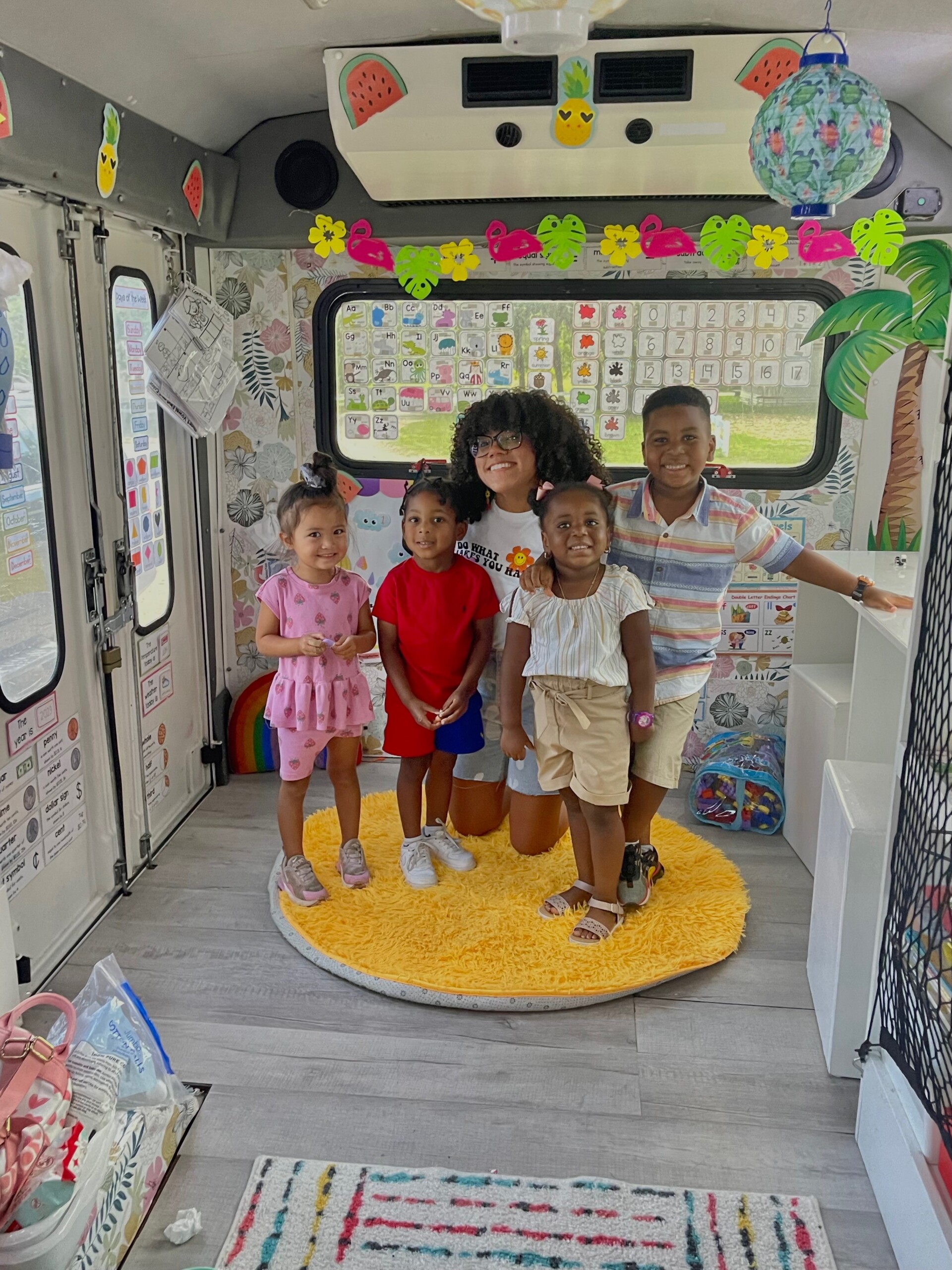
At one point, the van engine died, and Oquendo had to find $6,000 to replace it. At another, she invested in solar panels, hoping to cut down on fuel costs for air conditioning. But they didn’t work as she hoped. “I didn’t have a guide,” she said. “I just had myself – and my mistakes.”
At the same time, she said, she takes satisfaction in knowing her students are making progress. And that she has the power to quickly adjust, both for them and herself.
Oquendo is shifting to serve more students whose parents want in-home tutoring for longer stretches. She’s adding Spanish lessons. She’s also offering monthly field trips to places like LEGOLAND and a local farm.
On a whim, Oquendo recently set up gardening lessons for interested families, essentially sub-contracting with an organic farmer. Her students loved it.
In South Florida, similar operators are realizing they fit into changing definitions of teaching and learning and becoming ESA providers themselves.
Oquendo said the challenges to doing her own thing are real. But the freedom to control her own destiny, and to better help students in the process, makes it all worth it.
“I feel happy, blessed, and fortunate to be doing what I love the most,” she said.
Education is no longer about students sitting in rows of desks from 8 a.m. to 3 p.m. And school choice, the term supporters used for years to describe the movement for education options is out. Parent-directed education is in.
That was the call to arms Florida charter school leaders received from one of their earliest supporters on the closing day of an annual gathering convened by the state’s Department of Education.
“We were charged to be laboratories of innovation,” said Jim Horne, a former Florida education commissioner and lawmaker who sponsored the Sunshine State’s first charter school bill. “I challenge you to step out of the proverbial box. If you don’t innovate, you will stagnate.”
Education savings accounts, which allow parents to direct public education funding to private schools, tutoring, curriculum and other options for their children, have been sweeping the country and are now in effect in 19 states.
This has led some national observers to wonder whether charter schools risk losing momentum or becoming political orphans.
Manny Diaz Jr., Florida’s education commissioner, has pushed to counter that chatter. In his keynote address last year, he said education options of all kinds can flourish in the Sunshine State, which is home to the nation’s largest ESA programs and a growing charter school sector.
“We’re capitalizing on this historic school choice and charter school movement. We’re giving parents the ability to choose the best path for their students, regardless of background, regardless of income.”
Last year, the state rechristened its annual convening of charter school leaders as the Florida Charter School Conference and School Choice Summit. This year, private school leaders and educators made up nearly a quarter of the 1,300 attendees.
This year’s event featured main-stage presentations by Success Academy founder Eva Moskowitz, whose New York-based charter school network began eyeing a Florida expansion, as well as presentations on improvements in public-school student achievement, and multiple sessions that highlighted the opportunities growing scholarship programs offer to charter schools.
Last year’s House Bill 1 supercharged the growth of Florida’s ESA programs and created a new Personalized Education Program for students who don’t attend school full-time. That, combined with continued growth of New Worlds Scholarship Accounts for public-school students who need extra academic help, and the existing program for students with unique abilities, creates a substantial opportunity for public schools, including charters, to offer services to scholarship students.
Between those three programs alone, “we’re talking about $1 billion from students that do not have to go to school,” David Heroux, senior director of provider development and relations for Step Up For Students, which manages the bulk of Florida’s K-12 education choice scholarships, said during one session.
School districts, including Brevard and Glades counties, have already begun offering individual courses to scholarship students, with others planning announcements soon or expressing interest in participating.
Adam Emerson, executive director of the Florida Department of Education’s Office of Independent Education and Parental Choice, urged attendees to join the school districts in embracing a la carte learning and the possibilities it has unlocked for charter schools.
“We are entering into a whole new universe of choice,” he said.
For the past 175 years, U.S. public education has been a government monopoly utilizing a one-size-fits-all approach to educating students. Educators know each student is unique, and many are poorly served by this market structure and pedagogy. But social engineering and the massive numbers of students public education serves have led government to implement centrally controlled standardized methodologies.
The modern education choice movement is trying to persuade government and the public to end the government’s monopoly and empower families to replace one-size-fits-all education with customized instruction capable of meeting the distinct needs of each student. While this is an audacious aspiration that faces numerous political and operational challenges, providing each child with an equal opportunity to succeed is possible only through empowering families to customize their child’s education.
How to best redistribute power and balance the control that families and government have over how each child is educated is challenging. Public education exists to serve the public good. Taxpayers are paying the bills, and elected representatives are responsible for ensuring taxpayers get a good return on their investment.
But as we have seen over the past two centuries, government’s educational monopoly is unable to provide each child with an appropriately customized education. Only each child’s family, who know their child best, can do this. Consequently, government should empower families and trust them to make good education decisions. For this needed trust to exist, it needs to be accompanied by verification. Trust but verify is key to family empowerment and to customized instruction succeeding in public education.
State governments use education savings accounts (ESAs) to empower families and enable this transition from one-size-fits-all education to customization. ESAs are flexible spending accounts that allow families to buy the educational products and services they need for their child.
Florida’s state government lets families use their ESAs to buy services from public schools, private schools, homeschool providers, tutors, teachers, and occupational and physical therapists, among others. Families may also purchase educational products such as curriculum, books, physical education equipment and instructional technology, and pay for educational experiences such as field trips to historic sites.
Thanks to the flexibility ESAs provide families and educators, public education is increasingly occurring outside school buildings at libraries, beaches, museums, parks, aquariums, homes, theme parks, art galleries, farms, community centers, forests, and historic sites.
Most families use their ESAs to pay for private school tuition and fees, but some also pay for zoology lessons in the Ocala National Forest, marine biology seminars at SeaWorld, hands-on horticultural experiences on farms, and meetings with scientists on beaches to better understand how climate change is affecting coastal erosion.
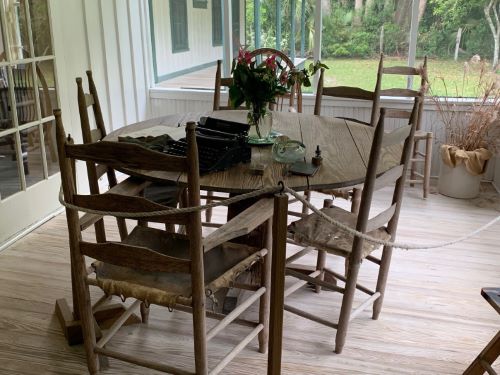
Also becoming more common are trips to historic sites such as Marjorie Kinnan Rawlings’ Cross Creek home to learn more about how life in rural Florida influenced her writing or St. Augustine, the nation’s oldest European-established city, to learn how the Spanish affected Florida’s history.
While students, families, and educators enthusiastically embrace these hands-on learning opportunities, some people do not trust that students are learning when they are at beaches, forests, theme parks, farms, or old Cracker houses in rural Florida. They think students today should be taught the way they were taught, sitting at desks in rows in school buildings and listening to the teacher at the front of the room.
To build trust in these instructional innovations, we need to verify students are learning even when they are not sitting in traditional classrooms.
So, how do we prove that taxpayers are getting a good return on their public education investment when a student uses ESA funds to visit SeaWorld or the Marjorie Kinnan Rawlings Historic State Park?
In public education, we primarily use standardized tests and classroom grades to measure student achievement. Unfortunately, these assessments are limited and do not measure many important aspects of child development, such as responsibility, honesty, resiliency, grit, self-management, critical thinking, empathy, problem-solving, and relationship management.
Over the past several decades, many educators and educational researchers have argued that portfolio assessments are better because they allow for a more comprehensive and accurate evaluation of a child’s development. Families, educators, and students put evidence of how well a student is progressing academically, socially, and personally into the portfolio, and these multiple data points from diverse perspectives tend to provide a better overview of a student’s development. Many portfolios also include traditional standardized test data.
Some ESA programs require families to submit annual learning plans that identify the learning priorities their students will focus on during the school year. Florida allows ESA funds to pay for approved choice navigators to help families with these plans, which are required for those who use Personalized Education Program scholarships.
Regardless of which accountability measures are used, how much educational decision-making authority government transfers to families and how government holds families accountable for their decisions will be state-by-state political decisions that unfold over the next several years.
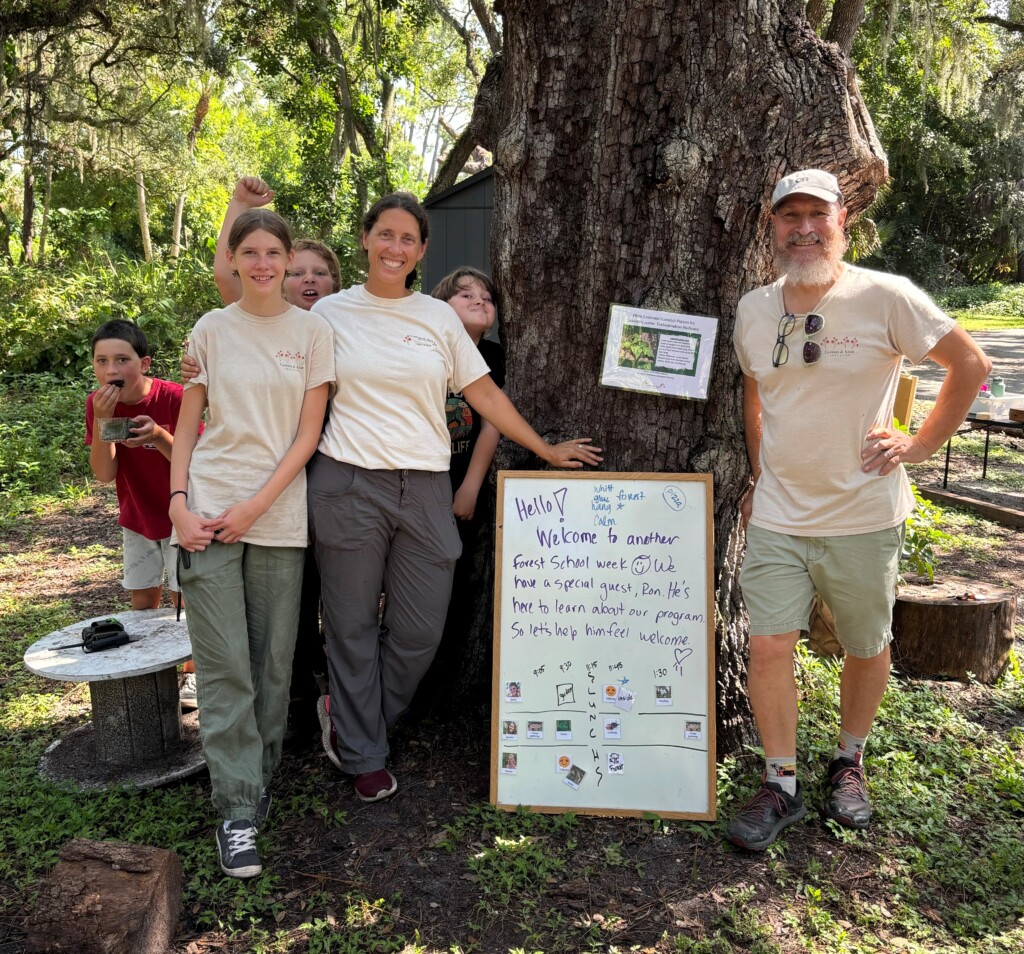
Justine Wilson, front row, center, and her husband, Chris Trammel, right, established Curious and Kind as a forest school for part-time, student-directed learning.
SARASOTA, Fla. – After 18 years as an educator in public and private schools, Justine Wilson decided to make a change. She was excellent at her job. In fact, she had just been offered a top administrative position at a top private school. But she didn’t believe mainstream approaches to teaching and learning were the best ones for many students, or for herself.
“I was saying things and doing things that weren’t who I actually was as an educator. I kept getting more and more away from my core beliefs,” Wilson said. “I just wanted to be authentic.”
Wilson wanted:
With the help of Florida’s education choice programs, Wilson did what more and more former traditional educators are doing: She created her own option: a nature-based, student-directed, hybrid homeschool called Curious and Kind Education.
“I love offering something that brings me the most joy,” Wilson said. “Which is being outside with the kids and partnering with their families.”
Curious and Kind offers different programs for different age groups, from toddlers to teenagers. Depending on the program, families can enroll their “explorers” one, two, or three days a week.
Plenty of families love this approach. Curious and Kind started last year with 25 students. This year, it has 90. Nearly all of them use choice scholarships, particularly the Personalized Education Program (PEP) scholarship, an education savings account (ESA) in its second year of existence.
Curious and Kind rents space from a church, but its heart is out back: a two-acre patch of unruly, urban forest, next to a creek that flows from a nature park across the street.
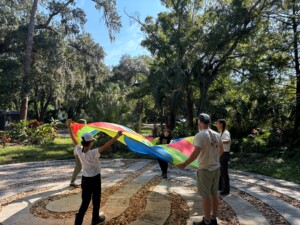
One day last month, 20 explorers ages 5 to 12 took seats on a set of cut logs, arranged in a circle beneath oaks, pines, and palms. Then they got down to business, discussing what they’d like to do over the next few hours. Crochet. Whittle. Make a pizza. Whatever the idea, Wilson and other “facilitators” gently offered suggestions on tools and timing and possible collaborations.
“Our philosophy is ‘Yes. And how do we make it happen?’ “Wilson said.
By early afternoon, most of the explorers had circled back to what they wanted to work on. (Because Curious and Kind didn’t have the ingredients on hand, the pizza had to wait until later in the week.) But first, it was time to play in the woods.
Within minutes, the explorers were building tree forts, making “tea” in a mud kitchen, and trying to identify a species of pseudo-scorpion they found on a slash pine.
At Curious and Kind, play routinely leads to projects.
When the creek was a bit too high for wading, somebody suggested the explorers build little boats instead. (It’s not clear if the idea came from an explorer or a facilitator. “It could have been anybody,” Wilson said. “It’s very democratic.”)
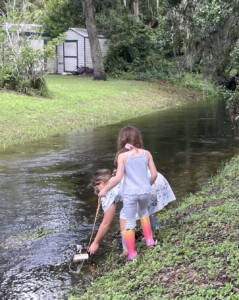
Students try out their homemade boats.
Ice pop sticks and masking tape were on hand. So were twigs and leaves and pine straw. The explorers gave it their best shot, and the initial results were … meh. They pulled their boats from the water to tweak their designs.
The next day, they tried again. This time, they incorporated wine corks that one of the facilitators brought in, plus sturdier and more water-resistant packing tape. This time, they found more success.
“This is what children do when they’re left to their own devices. Humans do this innately,” Wilson said. “They were failing forward, because it was fun.”
The project was also fun because it was theirs.
Agency matters. In one of the classrooms, explorers established their own mini mall. One of them set up a face-painting booth. Another created a line of glittery fingernails. Another manufactured mystery gift boxes, each with its own origami surprise. They even created their own bank, currency, and credit cards.
Wilson quickly suggested the students host a community fair, but “They were like, ‘Why would we want to do that?’ It wasn’t the right time.”
A few weeks later, Wilson pitched the idea again, this time because the Children’s Entrepreneur Market was coming to Sarasota. This time, the students were pumped.
In Florida, the state that’s leading the nation in reimagining public education, Curious and Kind is “school,” too.
It bills itself as a blend of the forest school and Agile Learning Center models. That may not be “traditional” education to some folks, but it has deep roots in thoughtful, alternative approaches.
“We believe in recognizing the innate curiosity of kids and fostering that,” said Chris Trammel, who is Justine’s husband, the director of operations at Curious and Kind, and likewise a longtime educator in public and private schools. “If you’re following your passions, you’re going to take ownership of your learning.”
Curious and Kind represents a number of other choice-driven trend lines.
The “hybrid” schedule is catching on. Florida’s homeschooling population has skyrocketed in recent years, as it has across the country, and more homeschooling families are opting for part-time schools.
Curious and Kind is on the cutting edge of “a la carte learning,” too. Thanks to the flexibility of ESAs, —which can be used for a range of educational expenses, not just private school tuition — more and more parents are choosing from multiple providers.
 In Florida, the primary vehicle for that, the PEP scholarship, can serve up to 60,000 students this year, up from 20,000 last year. Thousands of students are also using another Florida ESA, the Family Empowerment Scholarship for Students with Unique Abilities, in a similar fashion.
Carolina King’s daughters, Camila, 11, and Giuliana, 9, are among them. Both have special needs that would make it more challenging for them to thrive in traditional schools, said King, who writes a popular blog about parenting and child development.
King believes the student-directed approach is ideal for instilling a lifelong love for learning. Before the family moved to Florida in 2021, Camila and Giuliana attended a Montessori school. When a similar school didn’t pan out after the move, King turned to homeschooling and soon found Curious and Kind.
“They love it there. When the school year was over, they were so sad,” King said. “They said they never want to do summer again.”
King said features big and small make Curious and Kind special. The kids eat and use the restroom whenever they want. Different ages interact with each other. There’s no bullying. More than anything, King can see her daughters pursuing what excites them and learning deeply in the process.
Last year, Camila helped write a Halloween play that the kids performed for each other. She came up with the original idea. Other kids contributed to the script. Still more took on acting roles. Some were so engaged, they worked on the project at home.
“A lot of what happens is a snowball effect,” King said. “The kids feed off each other.”
Curious and Kind and similar alternatives might not be right for every family. But as choice in Florida has expanded, more and more have been flocking to them.
“People have a diversity of interests,” Wilson said. “We should have a diversity of options.”
This school year, 2024-2025, for the first time, Brevard County students using Florida’s education choice scholarship programs will have a new option: the ability to sign up for online courses offered by Brevard Virtual School.
Brevard Public Schools was the first countywide school district in Florida to offer courses to scholarship families through its virtual school. But more are sure to follow.
Florida law allows scholarship students to access services, including classes, from traditional public, virtual, or charter schools. However, families can’t choose this option if a school is not set up to accommodate it.
 The option has historically been underused. This is beginning to change, however, thanks to a growing interest in innovation among public -school leaders and people in their communities.
On Brevard’s heels, the Glades County School District has begun making in-person classes available to scholarship students. Other school districts and charter school organizations are taking similar steps across the state.
History of blurred lines
In Florida, the boundaries between a public school district and the world of parent-directed learning outside the system have long been blurry.
Heather Price, the principal of Brevard Virtual School, has helped lead the charge to make classes available to scholarship families. “I have been immersed in the world of flexible learning since 2008 and am always looking for ways to improve and expand what we can offer to families”, she said.
Brevard Virtual School serves over 5,000 online students, enrolled in approximately 12,000 courses. Some use the virtual option full -time, while others use it to supplement classes at their local public schools. Homeschoolers can also sign up for individual courses.
During the 2023 Florida Legislative Session, House bill 1 passed, making parental involvement a priority. It made every family in the state eligible for an education choice scholarship. It also added a new flexible learning option to the mix: the Personalized Education Program (PEP), a scholarship specifically for students who do not attend school full-time.
The first year, the PEP scholarship was capped at 20,000 students. This school year, that cap tripled.
Price heard buzz among parents that many of her existing part-time students were signing up for scholarships.
She wanted to make sure her school was among the available options.
“We knew that our families who have been with us for many years would be the exact same families who would be interested in what the scholarship offers,” Price said. As a result: “We either need to get on board or we’re going to lose folks who love us, and who we love.”
A foundation of diverse online learning options
Florida Virtual School (FLVS) functions as a statewide school district and has offered publicly funded online classes since the late ‘90s. It has long offered classes to students using private school scholarships.
Florida school districts can create online schools that employ local teachers and use FLVS curriculum and technology. These district franchises provide local flavor and opportunities for in-person meetings, while the statewide FLVS option provides a broader selection of courses. It’s common for online students to take a few classes from each.
FLVS partners with school districts, such as Brevard Public Schools, to support the local franchises.
“It’s a local twist on a statewide program,” Price said. “I’m sitting here in an office. Families can come in and get help. They can participate in our local activities.”
Districts build new organizational muscles
Thanks to the state’s long history of virtual schooling, Florida school districts are used to receiving funding for online courses on a per-class basis.
When they sign up as a scholarship provider, they face a new challenge: rather than reporting students to the state for funding, they must invoice students through the scholarship platform.
This requires districts to ensure correct operational systems are in place, from data systems to reporting.
Price said working through the issues required collaboration from every department in the district office.
The virtual school was a logical starting point to start building those organizational muscles. It had a critical mass of scholarship students, and the logistics of adding online students were simpler than at a physical campus.
But the work may not end there.
Many scholarship families are used to participating in public-school sports or extracurricular activities using Florida’s Tim Tebow law. Some of these electives, like band or drama, have classes associated with them, and districts will want to receive funding for students who take those classes. Other students want access to one-off courses or services at their local public school, including AP classes, career education courses, or state assessments.
Over time, more public schools will come up with new ways to meet the needs of students using scholarships, tapping a new revenue stream and expanding learning opportunities for students.
“We want them to be able to have the best of both worlds,” Price said. “So, they’re a scholarship student, but there’s also a lot of good, cool stuff that public school districts do.”
She added: “We want them to be able to have that choice and flexibility in how they educate their kids while taking advantage of all the opportunities that are available.”
In July, Jessie Pedraza was reading through posts on a Facebook page for mothers who homeschool their children when she saw three words jump off her screen.
Personalized Education Program.
“I responded, ‘Hello. What is this?” Jessie said.
So Jessie texted one of the moms.
Then they met for coffee.
“I picked her brain and got more information,” Jessie said.
This is what she learned:
 Florida students not enrolled full-time in private or public schools can access the Personalized Education Program (PEP) through the Florida Tax Credit Scholarship Program, which is managed by Step Up For Students. It operates as an Education Savings Account (ESA), which enables parents to customize their children’s education by allowing them to spend their scholarship funds on various approved, education-related expenses.
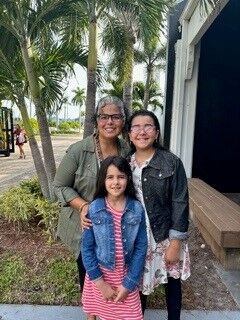
Jessie and her husband, John, who live in Naples, had been homeschooling their daughters Annaliyah (now in the fifth grade) and Gianna (third grade) since 2020 when the COVID-19 pandemic first closed schools.
“We said, ‘We can do this. We can provide something better and a little bit more tailored to the kid’s needs,’” Jessie said. “COVID, honestly, is what pushed us, so we went full-time.”
After learning about PEP, which was added to the Florida Tax Credit Scholarship for the 2023-24 school year, Jessie applied and was accepted.
“PEP has allowed us to level up our homeschool experience,” she said. “It gives us the opportunity to really create an A-plus homeschool experience versus an A or B-plus.
“It is really growing the homeschool experience.”
Jessie and John have teaching experience from their prior professions.
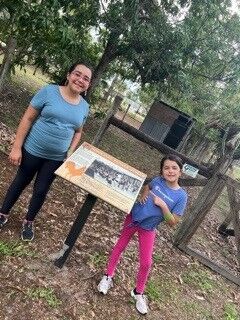 They use a homeschooling curriculum for reading, spelling, science, history, language arts, and math. They paid for it out of pocket for this school year because it was purchased before they received the scholarship, but the ESA will cover the curriculum in future years.
This year, Jessie and John are using the ESA for field trips and memberships to STEM programs near their home in Naples.
They also use it for the physical education portion of their daughters’ education. Annaliyah is enrolled in martial arts and recently earned her first belt.
“That's been huge,” Jessie said, “because her confidence has just gone up. And that would not have been a possibility if we had not gotten the scholarship.”
Gianna has joined a local gym that has a program aimed at kids, ages 7-11.
“They focus on developing the overall athleticism of kids,” Jessie said. “Gianna is 8. She’s still trying to figure out what she’s interested in. This will focus on athleticism, agility, building muscles. From there, we can get a little more specific.”
Both girls have joined the local 4-H association. Annaliyah is in the cooking program, and Gianna takes crocheting.
“The cooking is actually a year-long project,” Jessie said. She can put together a portfolio and learn about nutrition. These are life skills that she’s going to have, and this became an opportunity because of the scholarship.
“I tell them, ‘You guys can do this, and you guys can do that.’ I don't know if they're as excited (about the scholarship) as I am. I think to them, they're just like, ‘Oh, mom makes it happen.’ But it’s just been a huge blessing for us.”
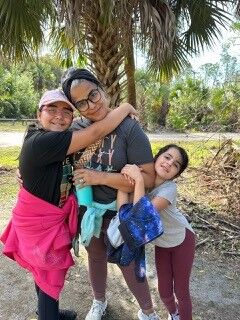 The cooking and crocheting, the gym and martial arts, and even some of the field trips Annaliyah and Gianna take with other homeschool students in Collier County wouldn’t have been available to them before they received the scholarship.
“When you're homeschooling, you have to look at what are the priorities first, right? And then those extracurriculars come in second,” Jessie said. “So, the scholarship, for us, allows us to place the same kind of priority on the extracurriculars. This is a good overall experience. They’re not missing anything that a student (who attends a school) would have access to.”
Jessie is a co-leader of a local homeschool group with 10 mothers and 30 kids. The mothers know the ins and outs of homeschooling. Jessie is somewhat surprised she didn’t learn of PEP until its second year. When she did, she spoke to parents who received the scholarship and researched it on the Step Up website.
She also attended a PEP meeting in Naples hosted by Step Up program administrators.
“I had all this information, but you always want to go straight to the source, and the source was here,” Jessie said. “[They] solidified it. I said, ‘OK, this is it. This is the direction that we're going,’ and it's been good. Well, it's great, actually.”

