By Ron Matus and Dava Cherry
Florida’s choice-driven education system is the most dynamic and diverse in America, but it’s facing new tests. This year, 41,000 Florida students were awarded school choice scholarships but never used them.
We wanted to know why, so we surveyed their parents.
The 2,739 who responded had a lot to tell us. Not only about supply-side challenges, but about the extent to which families are migrating between different types of schools, and their expectations for finding just the right ones.
As education choice takes root across America, we thought other states could learn from these parents, which is why we boiled their responses down into a new report, “Going With Plan B.”
We saw three main takeaways:
A third of the respondents (34.7%) said there were no available seats at the school they wanted. This, even though the number of Florida private schools has grown 31% over the past 10 years. Meanwhile, a fifth of the respondents (19.7%) said the scholarship amount wasn’t enough to cover tuition and fees.
Even without scholarships, a third of the respondents (36.5%) switched school types (like going from a traditional public school to a charter school). And between their child’s prior school and the school they ended up in, more experienced a positive rather negative shift in satisfaction (20.4% to 10.5%). We didn’t see that coming.
Two thirds of the respondents said they’d apply for the scholarships again, including 63% of those who switched school types, and 55.5% of those who were satisfied after doing so.
Things got better, it seems, but not better enough.
Perhaps as choice has grown, so too have parents’ expectations.
See the full report here.
Dava Cherry is the former director of enterprise data and research at Step Up For Students, and a former public school teacher.
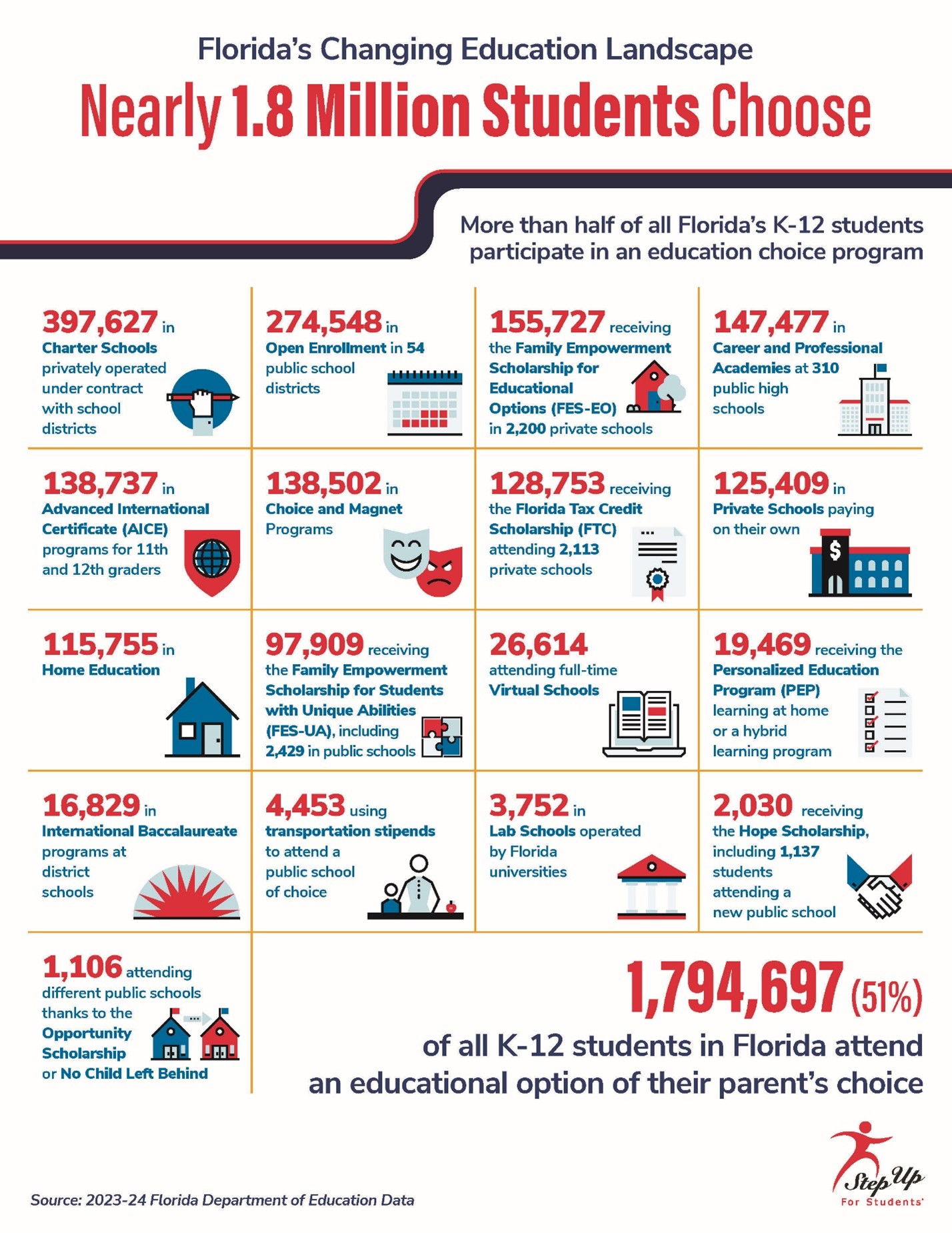 For the first time in Florida’s history, more than half of all K-12 students are enrolled in an educational option of choice. During the 2023–24 school year, 1,794,697 students, out of the state’s approximately 3.5 million K-12 population, attended schools outside their zoned neighborhood assignment.
Since the 2008–09 school year, Step Up For Students, in collaboration with the Florida Department of Education, has tracked enrollment across a variety of choice programs. While methods and program structures have evolved, 2023–24 marks a milestone: more than 50% of Florida’s students are now learning in environments selected by their families.
The Changing Landscapes report draws from Florida Department of Education data and removes, where possible, duplicate counts to provide a clearer picture of school choice participation. For example, it adjusts for home education students supported by the Family Empowerment Scholarship for Students with Unique Abilities (FES-UA) and eliminates double-counted students in career and professional programs. It also excludes prekindergarten students in FES-UA and programs like Voluntary Pre-Kindergarten (VPK), as the report focuses solely on K–12 education.
While many families still choose their neighborhood public schools, Florida’s education system now offers a broad range of options to meet diverse student needs. Public school choice remains dominant, occupying four of the top five spots in overall enrollment. Charter schools are the most popular option, followed by district open enrollment programs, career and professional academies, and Advanced International Certificate of Education (AICE) programs for upperclassmen.
On the private side, the 2023–24 school year marked a historic shift: For the first time, a single scholarship program now serves more students than all private school families who pay tuition out of pocket.
In total, over 116,000 additional students enrolled in choice programs compared to the prior year. The Family Empowerment Scholarship for Educational Options (FES-EO) and the Florida Tax Credit Scholarship (FTC) saw the greatest growth, along with AICE and FES-UA. Altogether, scholarships for private and home education increased by approximately 142,000 students, while private-pay and non-scholarship home education enrollment declined, likely due to the expanded availability of financial aid.
Among public-school options, magnet and district choice programs saw slight declines, with 28,000 and 8,447 fewer students, respectively. Still, public-school choice remains strong: 1.1 million of Florida’s 2.9 million public school students (40%) are enrolled in a choice-based public option.
Altogether, nearly 1.8 million students attend a school chosen by their parents or guardians. This shift reflects a fundamental transformation in Florida’s educational landscape—one where families are increasingly empowered to find the best fit for their children.
But with so many students opting for alternatives to their zoned public schools, it raises an interesting question: What about those who stay? If families are surrounded by options and still choose their assigned public school, isn’t that a choice, too? In that light, Florida may already have a 100% choice system, because staying is just as much a decision as leaving.
Rather than a battle between public and private education, Florida is showing how both sectors can coexist and thrive, working together to provide high quality learning opportunities for all students. The future of education isn’t one-size-fits-all; it’s about ensuring every family has access to an option that fits their child’s unique needs. In Florida, that future is already here.
Tiovanni Johnson squirms in his chair and lowers his head. His grandmother is telling a story about his kindness toward strangers, and he wishes she would stop. In fact, he asked her to stop.
“This is embarrassing,” he said.
She continued.
The previous day, Angela brought two Slim Jims with her when she picked up Tiovanni from school.
“I love Slim Jims,” he said.

Tiovanni enjoys the academic challenges of Academy Prep Center of St. Petersburg.
They stopped at a light on the ride home. Tiovanni noticed a man panhandling at the intersection. He appeared hungry, so Tiovanni leaned out the window and gave the man his favorite snack.
“He does this all the time no matter where he is,” Angela said. “He’s so thoughtful.”
At a skatepark a few days earlier, Tiovanni spent most of his time helping younger kids who had trouble staying on their skateboards.
Tiovanni appeared as if he would rather be anywhere else than in the conference room at his school, Academy Prep Center of St. Petersburg, listening to his grandmother brag about him.
But there are some things a boy can’t stop.
And when asked about the praise, Tiovanni reluctantly admitted, “It makes me feel good.”
Tiovanni, 12, is in the seventh grade at Academy Prep. This is his second year attending the grades 5-8 private school located three miles from the Gulfport home he shares with his aunt and uncle, Tricia and Ralph Huckeba. They became Tiovanni’s legal guardians after his mom, Deborah, died unexpectedly when he was 6.
Tiovanni attends Academy Prep on a Florida Tax Credit Scholarship, made possible by corporate donations to Step Up For Students.
Year 1 was a feel-good story for Tiovanni. He made the honor roll, joined Academy Prep’s swim team and began the 2024-25 school year with a 4.0 GPA for his work over the summer.
Tricia and Ralph, along with Angela, wanted Tiovanni to attend a school that would challenge him academically and help guide him through the tricky middle school years.
“Everybody here is so caring, truly caring,” Tricia said. “This school is very accommodating for the students, very loving, God-fearing people.”
Tiovanni tells his teachers that when he grows up, he wants to do something “magnificent.” He’s not quite sure what that means other than it will include a college education.
“I’m going to make sure I get straight A’s so I can go to college,” he said.
He’d like to study music, he said. He’d also like to learn to play the drums.
“They speak to me,” he said.
He wants to fly in a plane.
And learn to do an “ollie” with his skateboard. That’s the move where the rider jumps in the air with his feet still on the board but without using his hands. Tiovanni is working on it.
And he wants to travel.
Tiovanni wants to take Angela back to her birthplace, Cairano, a dot-on-the-map city in the mountains of Italy.
His life will be epic. Tiovanni is sure of that.
“I want to do something wonderful so my aunt and uncle don't have to work, so they can go on vacation somewhere,” he said.
He writes poetry.
I'm cool, but sometimes I act like a fool.
He described himself as “short” and “fast” and “energetic.”
“I can be a little annoying sometimes,” he added.
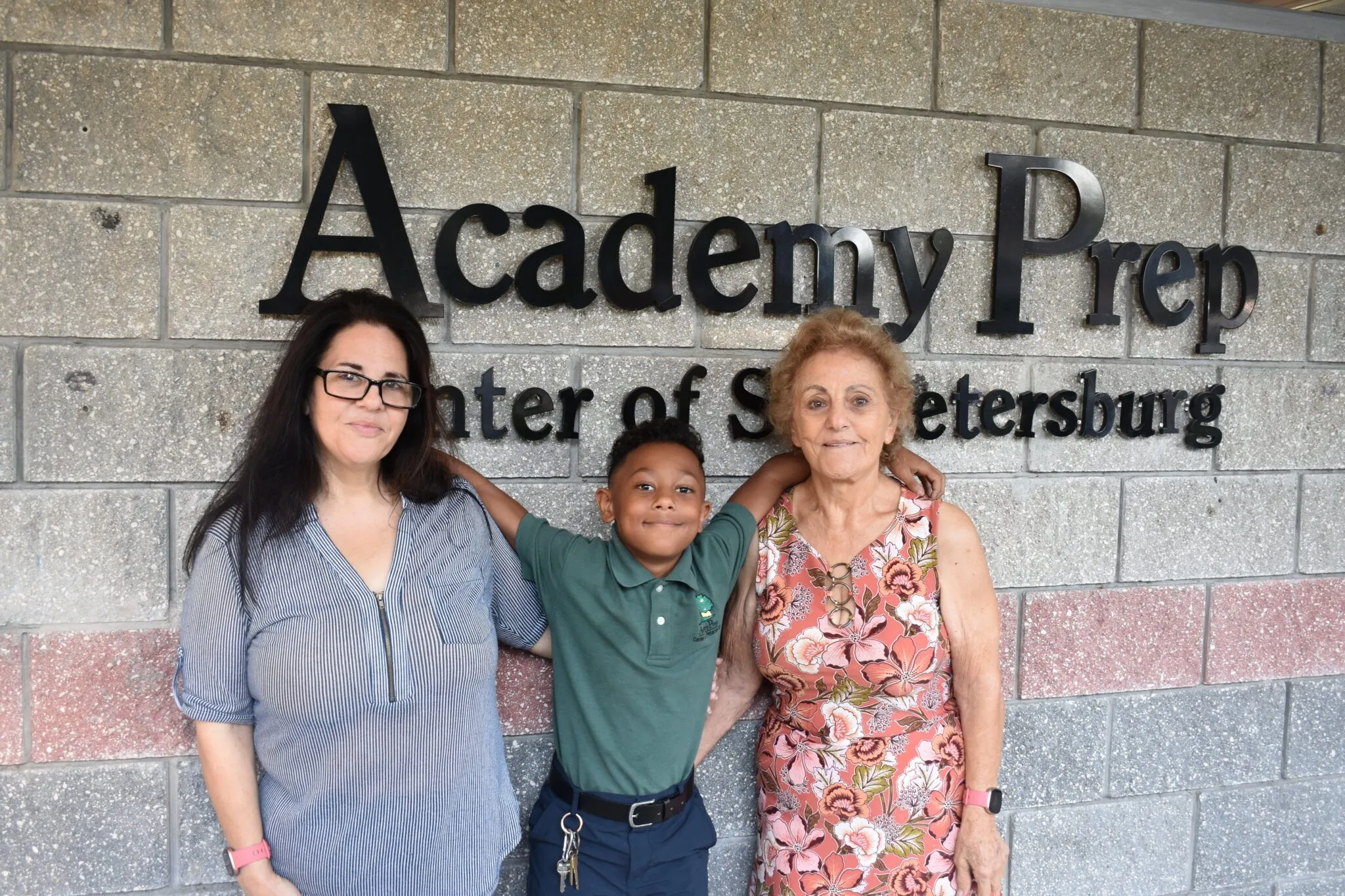
Tiovanni with his aunt Tricia, and grandmother Angela.
Tiovanni likes to be challenged academically, as evident by this year’s class schedule filled with honors courses. He’s in the right academic setting for that since Academy Prep is designed so students get the most of their educational opportunity.
He can also be more of a deep thinker than someone his age.
The family attends BridgePoint Church in St. Petersburg. Tiovanni often takes notes during the service and shares them with everyone at lunch afterwards. Tiovanni said he’s writing down “wisdom.”
“It’s just amazing some of the things that he thought about, because it would be his interpretation of what the pastor said,” Tricia said.
Tiovanni is reluctant to talk about his mom.
“That’s a sensitive topic,” he said.
It’s a sensitive topic for Angela, as well. She gets emotional when talking about her youngest daughter, who passed in 2019.
“She’s gone, but she left a special gift,” Angela said, nodding toward Tiovanni.
Brittany Dillard, Academy Prep’s Assistant Head of School, has known Tiovanni and his family since her son and Tiovanni were first-grade classmates. That was the year Tiovanni’s mom died and Tiovanni, whose father is not in his life, went to live with Angela. Dillard had the first-graders make cards for Tiovanni.
“Tiovanni has always just been spontaneous and optimistic and just a joy to be around,” Dillard said. “He's inquisitive. He asks a lot of questions, and he is just, honestly, a person that you want to have around if you're having a bad day, because he's going to find some way to cheer you up and just bring some sort of joy into your life.”
Like handing his afterschool snack to someone who looked hungry.
“I felt in my heart that that's what I needed to do,” Tiovanni said, “and that’s what I did.”
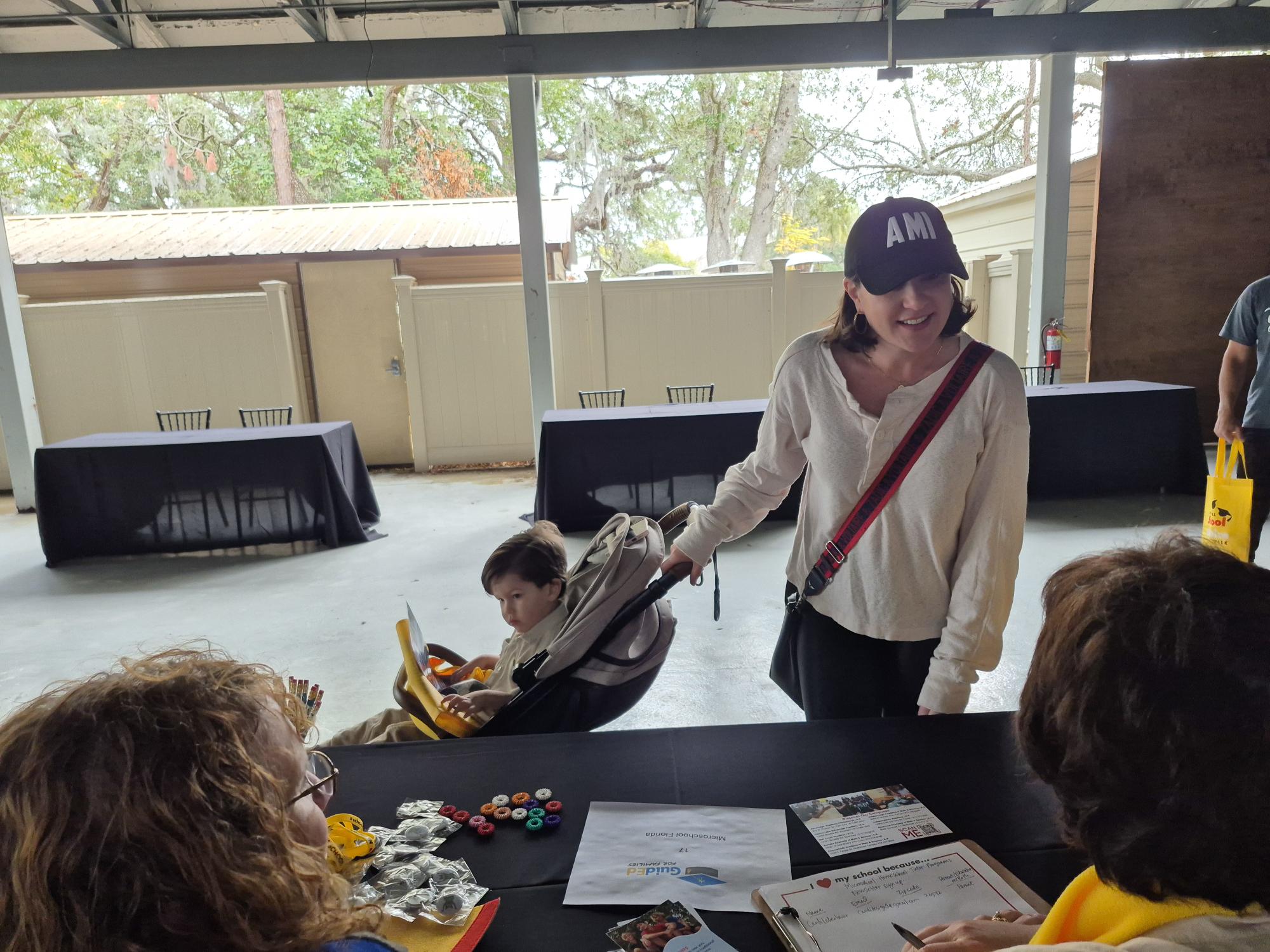
Gevrey Lajoie visited a School Choice Safari event to learn about options for her son, Elijah. The event was sponsored by GuidEd, one of the many organizations springing up in states that have granted parents the flexibility to choose the best educational fit for their children.
TAMPA, Fla. — Parents, many pushing babies in strollers with school-age children in tow, made their way through the covered pavilion as they surveyed the brightly decorated tables representing 28 local schools.
Their goal: To gather as much information as possible as they try to figure out the best educational fit for their children, either for the 2025-26 school year or beyond.
“We’re all over the place with which school,” said Gevrey Lajoie of South Tampa. Her son, Elijah, is only 3, but she said it’s not too early to begin looking at options. A mom friend told her about the School Choice Safari at ZooTampa at Lowry Park. It would give her a chance to check out many schools all in one place and learn about state scholarship programs.
Lajoie isn’t alone. For this generation of Florida families, gone are the days of simply attending whatever school they’re assigned based on where they live. Families actively shop for schools; schools actively court them, and districts perpetually create new programs.
And while the benefits are clear, some families end up feeling adrift in a sea of choices.
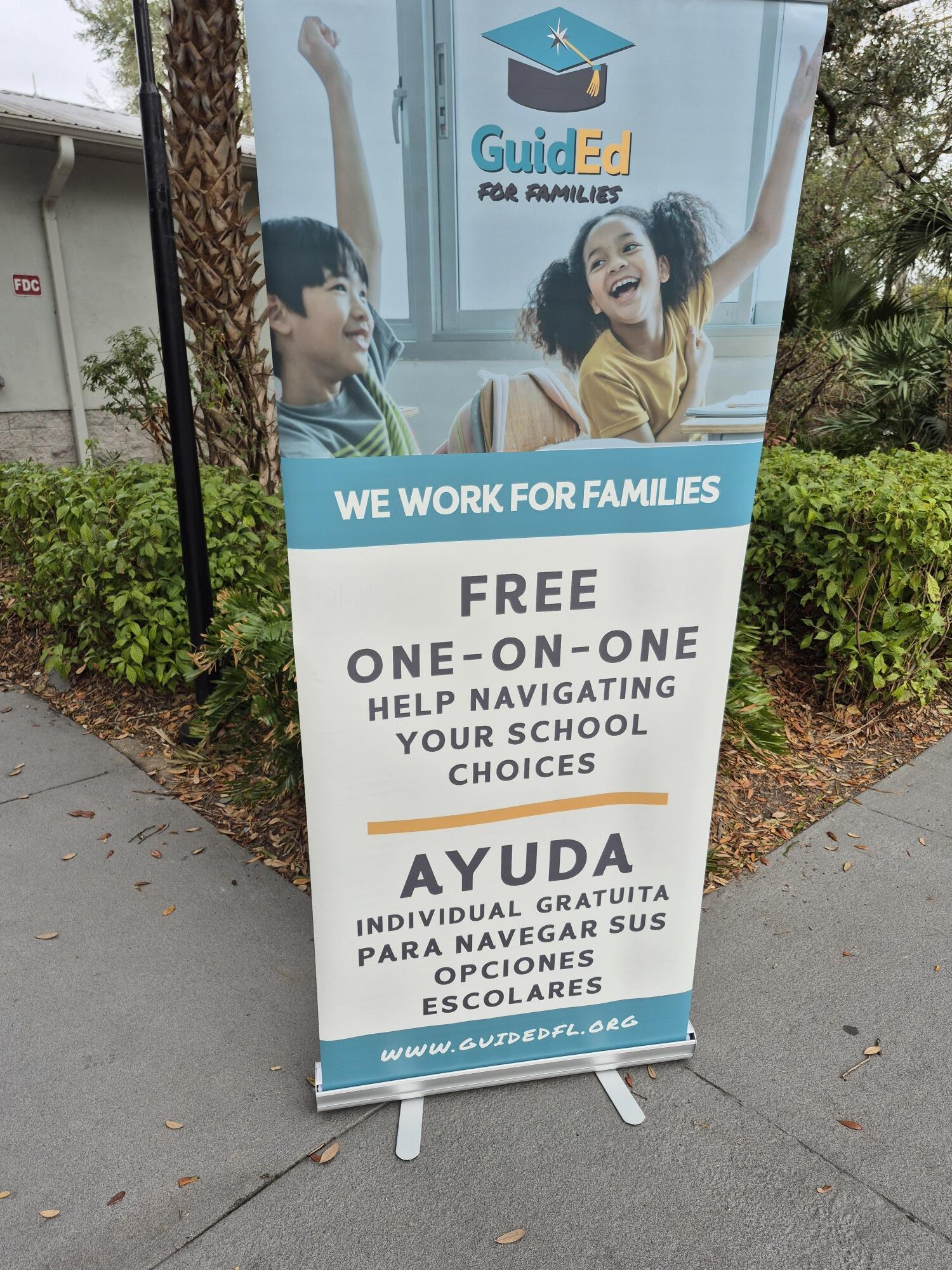 New organizations are springing up to help families find their way. "A variety of options are out there, and the number is growing, but families don’t know how to navigate them. There was no place for them to go to get help,” said Kelly Garcia, a former teacher who serves on Florida’s State Board of Education.
In 2023, the Tampa Bay area resident and her brother-in-law, Garrett Garcia, co-founded GuidEd, a nonprofit organization that provides free, impartial guidance to help families learn about available options so they can find the best fit for their children.
The organization hosts a bilingual call center where families can get information about all options in Hillsborough County, from district and magnet schools to charter schools, private schools, religious schools, online schools and even homeschooling. GuidEd also helps families sift through the various state K-12 scholarship options. The group also hosts live events, such as the School Choice Safari, to connect families and schools.
Organizations are cropping up all over the country, especially in areas with lots of choices. Their specific missions and business models vary, but they are united by a common theme: They help families navigate an evolving education system where they have the power to choose the best education for their children
Jenny Clark, a homeschool mom and education choice advocate, saw the need for a personal touch in 2019 when she launched Love Your School in Arizona.
“One of the most important aspects of our work is knowing how to listen, evaluate, and support parents who want to talk to another human about their child's education situation,” said Clark, who had seen parents struggle with the application process surrounding the state’s new education savings accounts program. The program has since expanded to West Virginia and Alabama.
Clark’s nonprofit provides personalized support through its Parent Concierge Service, which offers parents the opportunity for phone consultations with navigators. Love Your School also provides free online autism and dyslexia guides and details about the legal rights of students with disabilities, and it hosts an online community where parents can get support.
“Our services are unique because we pride ourselves in being experts in special education evaluations and processes, which are required for higher ESA funding, public school rights and open enrollment, experts in the ESA program law and approved expenses, and personalized school search and homeschool support,” Clark said.
Kelly Garcia, GuidEd’s regional director, has hosted several in-person events that feature free snacks, face painting, magicians, and prize giveaways in addition to booths staffed by schools and other education providers. During the recent event, parents could visit a booth to learn more about the state’s K-12 education choice scholarship programs.
Garcia, whose organization prioritizes neutral advice about all choices, including public schools, advises parents to start by assessing their child’s needs and then identifying learning options that would best serve them. GuidEd’s philosophy is to trust parents to determine the best environment for their kids.
At the School Choice Safari, families got to check out private schools, magnet schools and charter schools.
“There’s a school out there for everyone,” she said.
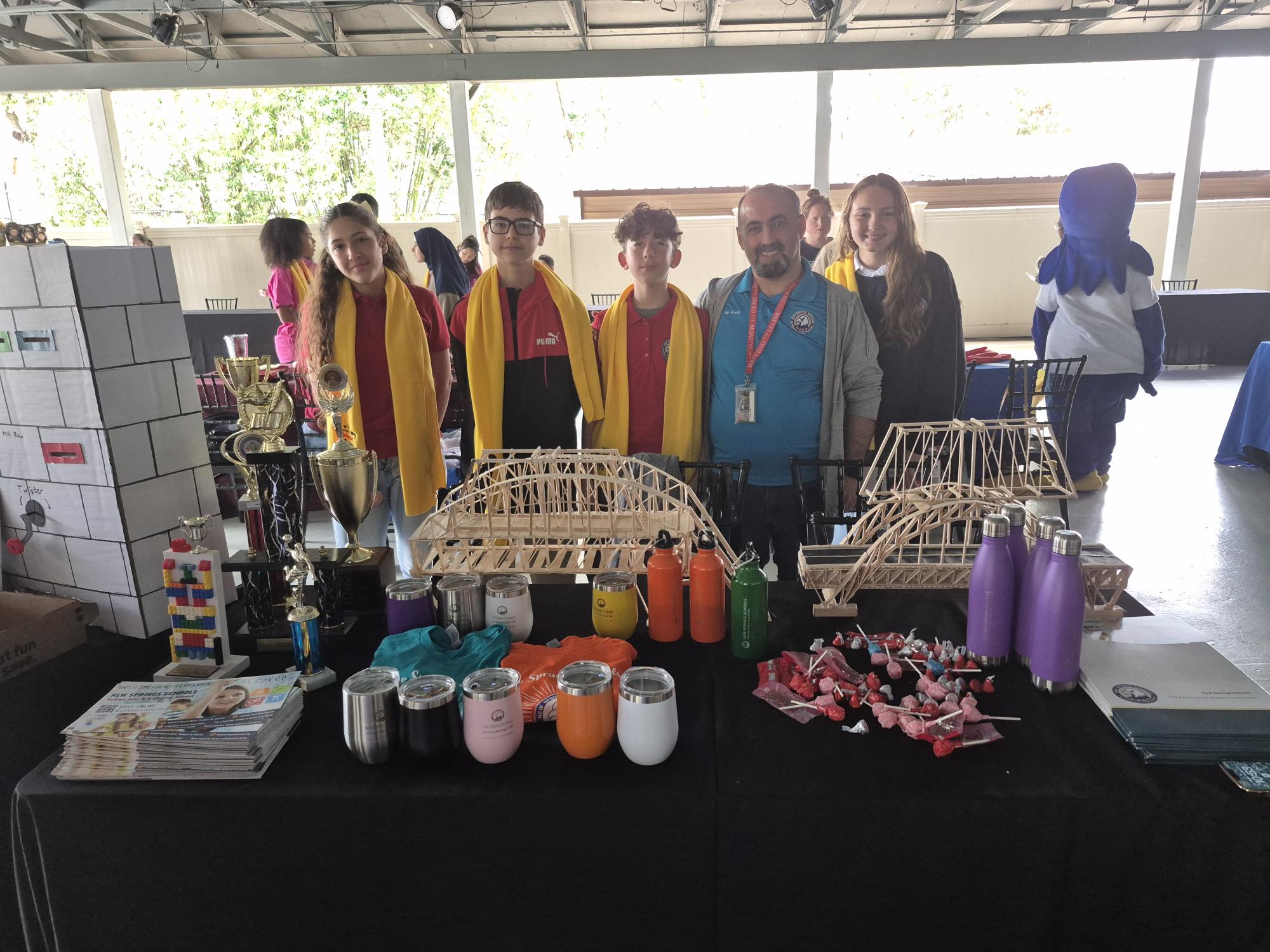
Students at New Springs Schools, a STEM charter school that serves students ages 5-14, show off some recent class projects at the School Choice Safari in Tampa.
During the zoo event, Garcia personally escorted parents with specific questions to the tables where they could get answers.
One of them, Hugo Navarro, recently moved to Tampa from Southern California to start a new job for a national investment firm. His wife, who had remained with their three kids in California, had already started researching schools online, but Navarro wanted to get an in-person look at providers and learn more about state education choice scholarships before their 7-year-old son starts school in August.
On his wish list: academic rigor, a focus on the basics, and a diverse student body.
“Academic ratings, that’s our number one thing,” he said.
A Catholic school that offers academic excellence was also a contender, though a secular school wouldn’t be a dealbreaker if it had a reputation for strong academics.
Garcia and Clark both said that as new generations of parents grow more comfortable selecting education options, they see the navigators’ role becoming more relevant, not less.
“Parents can use online tools like google to search for schools, but the depth of what parents actually want, and our highly trained knowledge of a variety of educational issues means that as choice programs grow, the need for our parent concierge services will continue to grow as well,” Clark said. “There are exciting times ahead for families, and those who support them.”
As the number of schools and a la carte learning options grows, Garcia said, families will need information to better customize learning for their children.
“This is a daunting task, even for the most seasoned parents,” she said. “At GuidEd, we see a growing need for unbiased education advisers to ensure a healthy and sophisticated market.”
Garcia compared the search for educational services to buying a home.
“A family is not likely to make a high-stakes decision, like buying a home, by relying on a simple Zillow search,” she said. “Instead, they use the Zillow search to help them understand their options and then rely on a Realtor to help guide them through the home- buying process, relying on their trusted, yet unbiased expertise. We see ourselves as the "Realtor" in the school choice or education freedom landscape.”
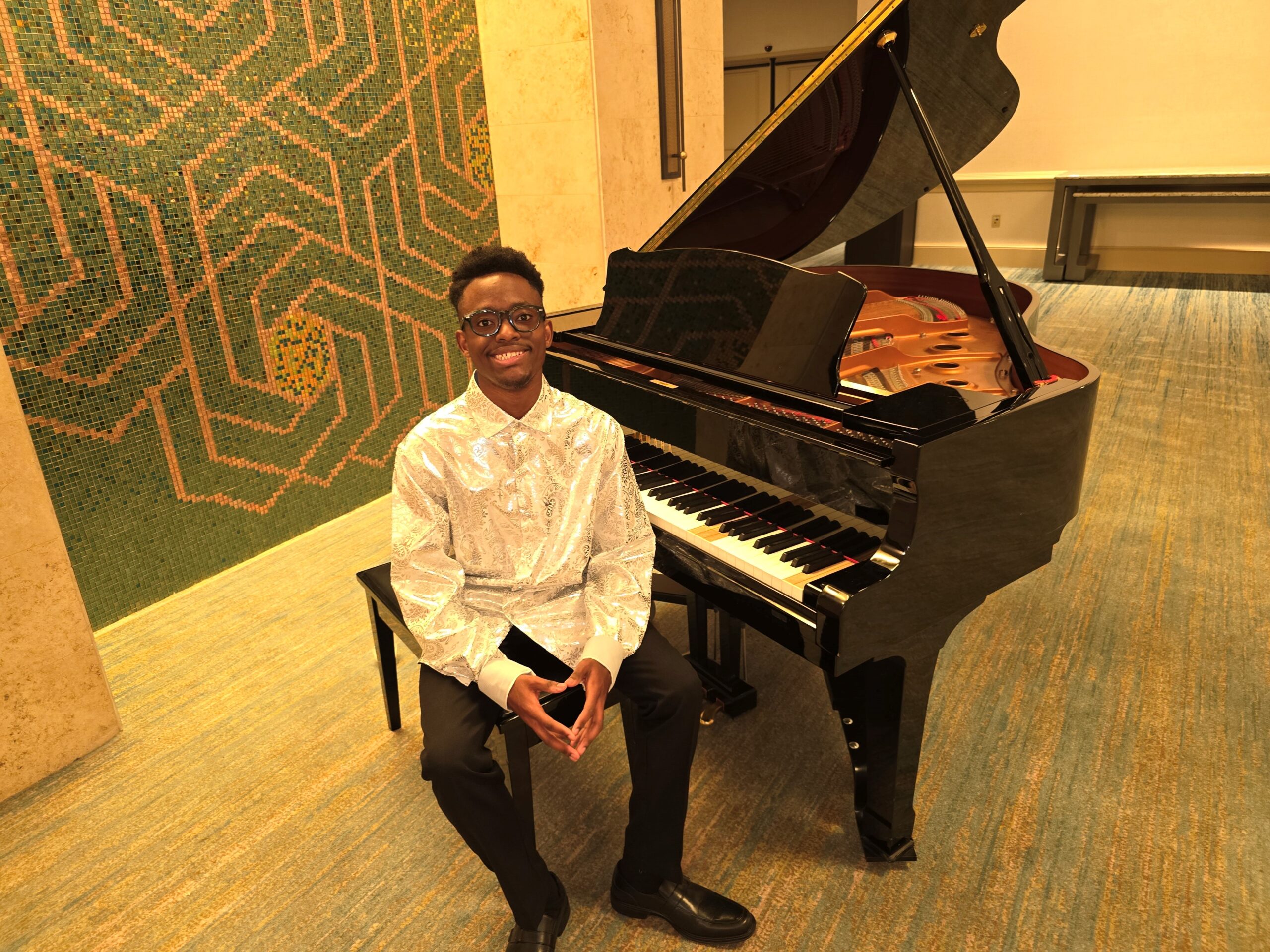
Gabriel is the first PEP alumnus to join the American Federation for Children.
Gabriel Lynch III is new to his role as an education choice advocate. Though in essence, he’s been doing it nearly all his life.
He’s a product of both private and homeschooled education. He’s attended brick-and-mortar schools and studied virtually.
Along the way, Gabriel, 19, has become an ordained minister, a motivational speaker, an accomplished pianist, and a published author.
Those wondering about the benefits of education choice need only listen to Gabriel.
“School choice changed my life to who I am today,” he said.
Today, Gabriel is a college freshman majoring in music at Seminole State College in Lake Mary. His education from kindergarten through high school was supported by scholarships managed by Step Up For Students, from the Florida Tax Credit Scholarship to the Family Empowerment Scholarship for Educational Options to the Personalized Education Program (PEP), which he used to homeschool in 2023-24, his senior year of high school.
“I want kids to have the same experiences I had,” he said.
That’s why Gabriel joined the American Federation for Children (AFC), an organization that strives to bring education choices to families nationwide. Gabriel was recently accepted into AFC’s Future Leader Fellowship, a year-long internship program that will prepare him to meet with lawmakers around the country to promote education choice.
Read about Gabriel's story here.
A number of Step Up For Students alumni advocate for AFC. One of them, Denisha Merriweather Allen, founded Black Minds Matter and serves on Step Up For Students' governance board. Gabriel is the first to have benefited from a PEP scholarship. The scholarship, which began during the 2023-24 school year, is an education savings account (ESA) for students who are not enrolled full-time in a public or private school. This allows parents to tailor their children’s education by allowing them to spend their scholarship funds on various approved, education-related expenses.
Gabriel’s mom, Krystle, used PEP to homeschool Gabriel and his two brothers, Kingston (eighth grade) and Zechariah (sixth grade).
A longtime advocate for education choice, Krystle and her husband, Gabriel Jr., who live in Apopka, want to take control of their children’s education. PEP allowed them to tailor the curriculum for each son.
“They have different learning paths,” she said.
Krystle is ecstatic that her oldest son is following in her advocacy footsteps.
“This has been something that has been on my heart for many years, and to see him carry on the message, that's exactly what I've always dreamed of,” she said.
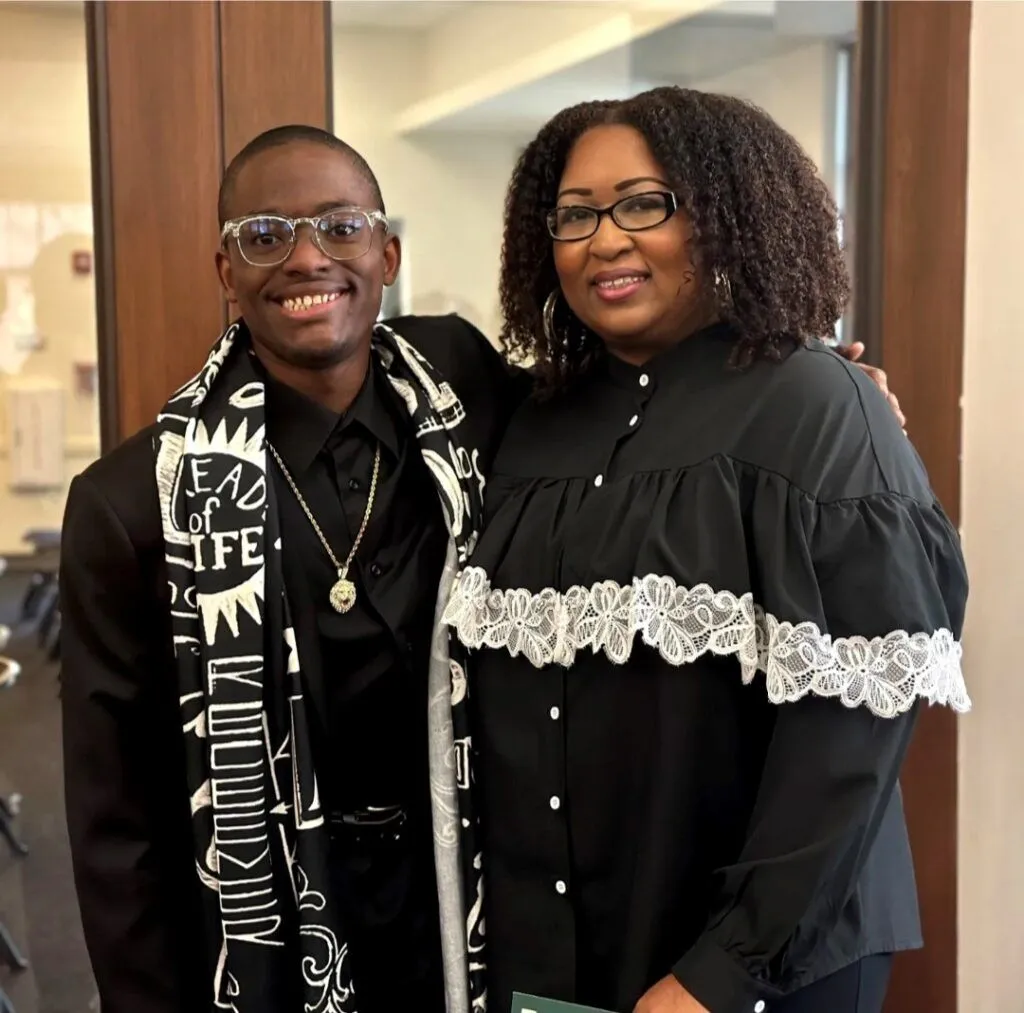
By joining the American Federation for Children, Gabriel is following in Krystle's footsteps as an advocate for education choice.
Gabriel said school choice helped mold him. Attending a faith-based school led him to become an ordained minister and a public speaker. Using the PEP scholarship for piano, guitar, and voice lessons fostered his love of music and helped shape what he hopes to be his career path. He wants to be a composer.
“There are so many things I am right now because of school choice,” Gabriel said. “I think it’s because my parents put me where I fit best because even when I was in private school, I could fit in. I found my group, I found my clique, and that's why I say it really changed my life.”
Gabriel is eager to share his story with lawmakers in states that don’t have education choice. Last year, advocates from the AFC Future Leaders program volunteered on the front lines of the fight to support education choice legislation in Nebraska.
“It’s giving parents options to choose where their kid fits best,” he said. “that’s what I will tell them. I think that would be amazing for those states that don't have school choice options.”
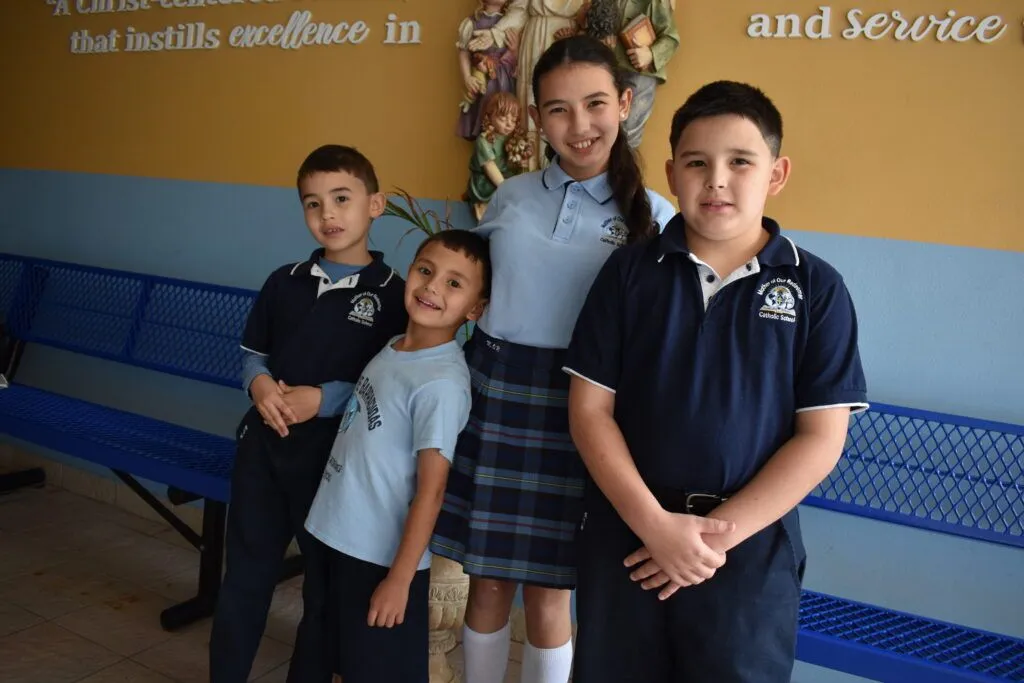
The Ivins children, (from left) Lucas, Nicholas, Rebekah and Joseph, are flourishing academically.
MIRAMAR, Fla. – William Ivins moved his family to South Florida ahead of his retirement from the United States Marine Corps and enrolled his children at Mother of Our Redeemer Catholic School, hoping they would reap the same rewards as he did from a faith-based education.
But, as William and his wife, Claudia, would soon learn, that was easier said than done.
A lawyer for much of his 20-year career in the Marines, William needed to pass the Florida Bar Exam before he could enter the private sector. It was a long process that left him unemployed for 19 months.
“It was a struggle,” he said. “My retirement income was not enough to pay for the cost of living and tuition for my children.”
William and his wife Claudia faced a few choices: continue with the financial struggle, homeschool their children, send them to their district school, or move out of state. None were appealing to the Ivins, and fortunately, they didn’t have to act on any.
The Florida Tax Credit Scholarship made possible by corporate donations to Step Up For Students allows his four children to attend Mother of Our Redeemer, a private K-8 Catholic school near the family’s Miramar home.
“It was a perfect storm of having to retire from the Marines and not really having a job lined up,” William said. “The transition was more difficult than I thought it would be. The income just was not available for us to continue our kids’ education in the way we wanted. Had the scholarship not been there, we would have been forced to move out of state or homeschool them or move them to (their district) school.”
In July 2020, the Ivins moved to South Florida from Jacksonville, N.C., where William had been stationed at Camp Lejeune. William contacted Denise Torres, the registrar and ESE coordinator at Mother of Redeemer, before making the move. She told William the school would hold spaces for his children. She later told him about the education choice scholarships managed by Step Up For Students.
“That was a big relief for him,” Torres said.
At his mother’s urging, William began attending Catholic school in high school.
“That was a life-changer for me,” he said.
He converted to Catholicism and vowed if he ever had children, he would send them to Catholic school for the religious and academic benefits.
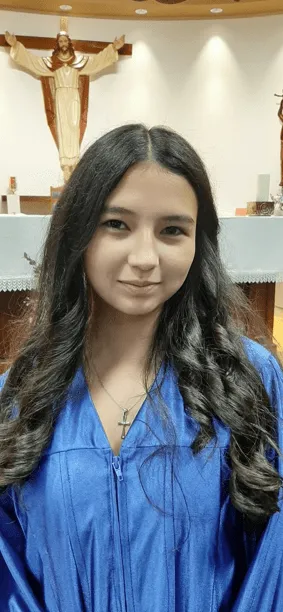 Rebekah graduated in May from Mother of Our Redeemer. She had been an honor roll student since she stepped on campus three years ago.
“Rebekah likes to be challenged in school, and she was challenged here,” Claudia said.
Rebekah, who received the High Achieving Student Award in April 2022 at Step Up’s annual Rising Stars Awards event, is in the excelsior honors program as a freshman at Archbishop McCarthy High School.
“She's an amazing, amazing student,” Torres said. “It’s incredible the way she takes care of her brothers. She's very nurturing. Every single teacher has something positive to say about her.”
Rebekah’s brothers, Joseph (sixth grade) and Lucas (third grade), do well academically and are active in Mother of Redeemer’s sports scene, running cross-country and track. Nicholas, the youngest of the Ivins children, is in first grade. He was allowed to run with the cross-country team while in kindergarten, which helped build his confidence.
William had been in the Marines for 20 years, eight months. He served as a judge advocate and was deployed to Kuwait in 2003 for Operation Iraqi Freedom, to Japan in 2004, and then to Afghanistan in 2012 for Operation Enduring Freedom.
He retired in May 2021 but didn’t find employment until December 2022. The Florida Bar Exam is considered one of the more challenging bar exams in the United States. He took the exam in July 2021 and didn’t learn he passed until September. It took William more than a year before he landed a position with a small law firm in Pembrook Pines.
Claudia, who has a background in finance, works in that department at Mother of Our Redeemer Catholic Church, located next to the school.
“They have really become part of our community,” principal Ana Casariego said. “The parents are very involved and are big supporters of our school and church.”
In Mother of Our Redeemer Catholic School and Church, Willian and Claudia found the educational and faith setting they wanted for their children.
“It is a small community environment where you know all the teachers and staff by first name,” William said. “My kids have received a wonderful education in an environment where they don’t have to worry about bullying, and they can really strive to grow and do their best academically.
“The scholarship kept us in the state and kept our kids in the school system that we wanted them to be in. It’s been a great blessing to us.”
Drywall is piled three feet high in the attic of Emily and Alan Lemmon’s home in Tallahassee. It was placed there a few years ago, intended for walls as the couple finished the top floor.
But these days the stack serves a different purpose. Surrounded by white sheets used as backdrops and placed directly under nine flood lights attached to the rafters, it’s the stage used by the Tallahassee Homeschool Shakespeare Club, founded by the Lemmons’ oldest child, Genevieve.
“I have a house full of kids, about 25 of them, practicing their Shakespeare lines,” Emily said.
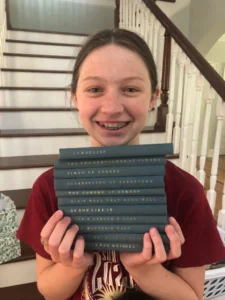
Genevieve Lemmon is the founder and director of the Tallahassee Homeschool Shakespeare Club.
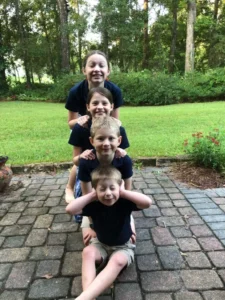
Four of those kids live there – Genevieve, 14, and her siblings Chiara, 12, Dominic, 10, and Declan, 5. The middle two have roles in the yearly Shakespeare plays directed by Genevieve. Declan works as a stagehand, though he might soon earn a part on stage, possibly as the mischievous imp Puck from “A Midsummer Night's Dream,” which according to his oldest sister is a role he was born to play.
Genevieve began the club when she was 11 after watching Tallahassee’s Southern Shakespeare Company perform “Twelfth Night.”
“That kind of lit a fuse,” Genevieve said.
She recruited 10 of her homeschooled friends to act out three scenes from “Twelfth Night,” and soon her home was Tallahassee-upon-Avon. Alan was building sets, Genevieve was sewing costumes with her grandmother, and everyone was reciting William Shakespeare.
How do you get an 11-year-old hooked on the works of The Bard?
“We don’t own a TV,” Emily said.
And every room in the house is lined with bookcases stuffed with books.
The back yard leads to wetlands explored by the children as they satisfy their curiosity about anything that grows, crawls, swims, and flies.
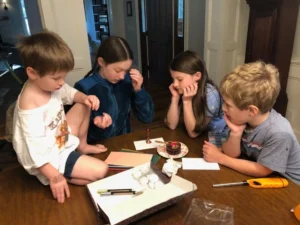
Emily and Alan are both professors at nearby Florida State University, and this is what they envisioned when they decided to homeschool their children. Emily was homeschooled and thrived in that education setting. She wanted the same for her children because she liked the freedom of customizing the curriculum to each child’s needs and interests.
“I like the way that homeschooling gives you more family time,” Emily said. “It helps build a really close-knit family, and parents can have more influence on the formation of their kids. I also thought my husband and I could do a better job educating them than a lot of schools because we can give them one-on-one attention.”
Last school year, the Lemmons qualified for the Personal Education Program (PEP) that comes with the Florida Tax Credit Scholarship (FTC), managed by Step Up For Students.
That was the first school year homeschooled families were eligible for PEP. The scholarship is an Education Savings Account (ESA) for students who are not enrolled full-time in a public or private school. This allows parents to tailor their children’s education by allowing them to spend their scholarship funds on various approved, education-related expenses.
For the Lemmon kids, that’s a heavy dose of music lessons. They are all taking lessons in piano and a string instrument. All are members of the Tallahassee Homeschool String Orchestra, while Genevieve and Chiara are also members of the Tallahassee Youth Orchestra.
All PEP students are required to take a yearly, state-approved, norm-referenced test. (The list of tests can be found here.) The Lemmons take the Classic Learning Test.
PEP helps pay for curriculum, school supplies, books, summer camps, and music lessons.
“We’re trying to expose them to lots of different fields because they're trying to figure out what they're most interested in,” Emily said.
Chiara’s interests lean toward the sciences. She’s also developing an interest in farming and is now raising 17 young chickens in hopes of beginning her neighborhood egg business. She’ll call it Chiara’s Cheeky Chicks or Chiara’s Cluckers.
Chiara is also scheduled to take a farming internship this year.
Genevieve is mechanically inclined. She can take apart and reassemble a bicycle. She once disassembled a door in the family’s van and fixed what was rattling.
“She might have the makings of an architect or an engineer,” Emily said.
Or a Shakespearean scholar.
Genevieve took an online course this summer on “The Merchant of Venice,” taught by a Shakespearean author.
Her favorite plays are “Twelfth Night” and “King Lear.” When asked for her favorite Shakespearean line, she answered with the back-and-forth between Beatrice and Benedick in “Much Ado About Nothing.”
The Lemmons don’t own a TV and the kids don’t have iPhones, because Emily and Alan don’t want their children spending time staring at screens. They’d rather their children read books and explore the outdoors to stimulate their minds.
“So, you asked why an 11-year-old got interested in Shakespeare, it’s because her brain wasn't supersaturated with flashing lights and exciting noises and materialistic commercials. And she was quiet enough to be able to focus on what Shakespeare meant,” Emily said.
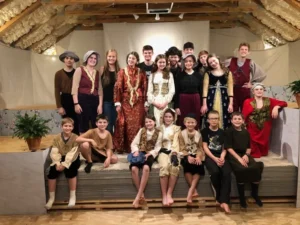
Directing has been a learning process for Genevieve. Mostly, she’s learned how to lead a cast. Along the way, she learned she could help shy or introverted cast members develop confidence by giving them bigger parts.
“I give them harder parts and they rise to the occasion each time,” she said.
Genevive said it was hard at first getting other homeschool students interested in Shakespeare. She fixed that with post-rehearsal pizza and ice cream parties. The afterparties are now called Sugar Shakes.
For Christmas last year, Genevieve received a director's chair and a megaphone.
“It was pretty cheesy in the beginning,” she said, “but now they know if they sit on my chair they're going to get in big trouble.”
In four years, the Tallahassee Homeschool Shakespeare Club grew from the original 10 members to its current 25. All are homeschooled and all received PEP scholarships.
Genevieve said being homeschooled is the catalyst behind her love of Shakespeare.
“I just like how it gives me more flexibility and it gives me more time to pursue my interests,” she said. “I think if I'd been in a (district) school system up to this point, I wouldn't have probably been exposed to Shakespeare and I wouldn't be directing plays now.”
Gabriel Lynch III was born five months early and weighed 1.8 ounces when he entered this world fighting for his life. He spent his first three months in an Orlando hospital.
When he was just weeks old, he was removed from an incubator and airlifted to a Tampa hospital for heart surgery. By then, Gabriel already had surgery on his eyes. He developed a grade 4 brain bleed, which doctors told his parents, Krystle and Gabriel II, could lead to cerebral palsy.
It didn’t.
“He had a lot of issues,” Krystle said, “but God is good.”
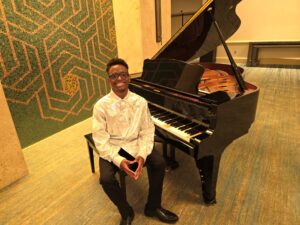
Gabriel Lynch used the ESA from his PEP scholarship for piano and guitar lessons.
Krystle chronicled it all in her book, “Miracles do Happen. A mother's journey through preterm birth, loss and triumph.”
A picture of tiny Gabriel dominates the cover. He is hooked up to tubes with bandages over both eyes. He’s barely bigger than the length of his mom’s two hands as she holds him.
A current photo of Gabriel might include a piano, which he can play.
Or him holding the book about his faith, which he wrote when he was 13.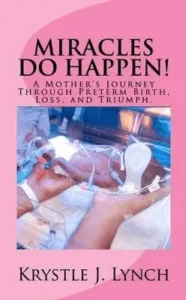
Or a cap and gown.
Gabriel, who turns 19 in August, graduated high school in May, having been homeschooled during the past school year with the help of the Personalized Education Program (PEP) that comes with the Florida Tax Credit Scholarship (FTC). The FTC is managed by Step Up For Students.
Signed into law in 2023 as part of HB1, PEP provides an Education Savings Account (ESA) for students who are not enrolled fulltime in a public or private school. The ESA allows parents to customize their children’s education by spending their scholarship funds on a variety of approved, education-related expenses.
“The PEP scholarship has been a blessing,” said Krystle, who along with her husband is a pastor at a local non-denominational church.
All three of her sons received PEP scholarships last year. Before that, they received FTC scholarships and attended private schools near their Apopka home. Gabriel will attend Seminole State College in Lake Mary this fall, while his younger brothers – Kingston (eighth grade) and Zechariah (sixth grade) will continue to receive PEP scholarships.
“There were just certain things about their education that my husband (Gabriel II) and I needed to take control of,” Krystle said. “As a parent we know, and we want to control their education, so we decided to homeschool them.”
What Krystle wanted more than anything else was the ability to tailor the education toward each of her sons’ interests and needs.
“They all have different learning paths,” she said.
For Gabriel, that was an opportunity to use the ESA for dual enrollment. He took English, psychology, and music appreciation courses through the dual enrollment program at Oklahoma Christian University.
He also used his ESA for piano, guitar, and voice lessons and a tutor he worked with three times a week. His curriculum included Spanish I and II, music, statistics, and personal finance.
Kingston has improved in math since being homeschooled because he now has access to a tutor, both during and after school. He will take computer science and coding this school year. Krystle would like him to dual enroll once he reaches high school.
Zechariah is academically gifted, according to his mom. He studied above grade level as a fifth-grader and will do so again this year when his course load will include advanced classes. Krystle is trying to prepare him for advanced placement classes when he reaches high school.
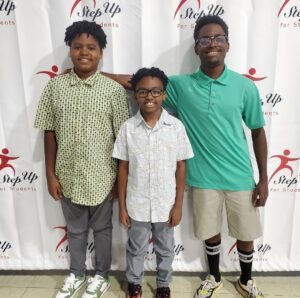
Kingston, Zechariah and Gabriel have thrived academically with the help of the PEP scholarship.
Krystle is also researching hybrid learning opportunities for Kingston and Zechariah.
“That's a game-changer right there because my kids want social interaction, but I don't want them to be in school all five days,” Krystle said. “I can send them to school once or twice a week and they can learn a subject during that time, but then the rest of the subjects I teach at home.”
All PEP students are required to take a yearly state-approved norm-referenced test. (The list of tests can be found here.) The boys took the Stanford Achievement Test Series, Tenth Edition (SAT10).
“We just love the fact that PEP gives students the opportunity to be their best selves,” Krystle said. “They can have guitar lessons. They can have singing lessons. They can have acting lessons. They can have reading tutors, language arts tutors.
“The sky’s the limit, and we just love that.”
 Music is a big part of Gabriel’s life. He played the piano in an AdventHealth commercial and placed first in the Sacred Heart Music Competition in May.
He would like to be a composer.
“I’ve had a passion for music since I was 8,” he said.
He also has a passion for social media, with more than 17,000 followers on TikTok and nearly 5,000 on Instagram (GABE4_christ). He has a YouTube channel and a podcast.
His book, “The Destined Place of Living,” is about his faith. He is an ordained minister and a motivational speaker for youth.
Through the Florida Parent-Educators Association, which serves homeschooled families, Gabriel was able to attend a prom and participate in a graduation ceremony in May at the Gaylord Palms Resort and Convention Center in Kissimmee. That’s also where he won the music competition.
It brought an end to his high school education and his one year being homeschooled.
“I will say that homeschooling was one of the best decisions that my parents have made,” Gabriel said. “It gave me more freedom to study music.”
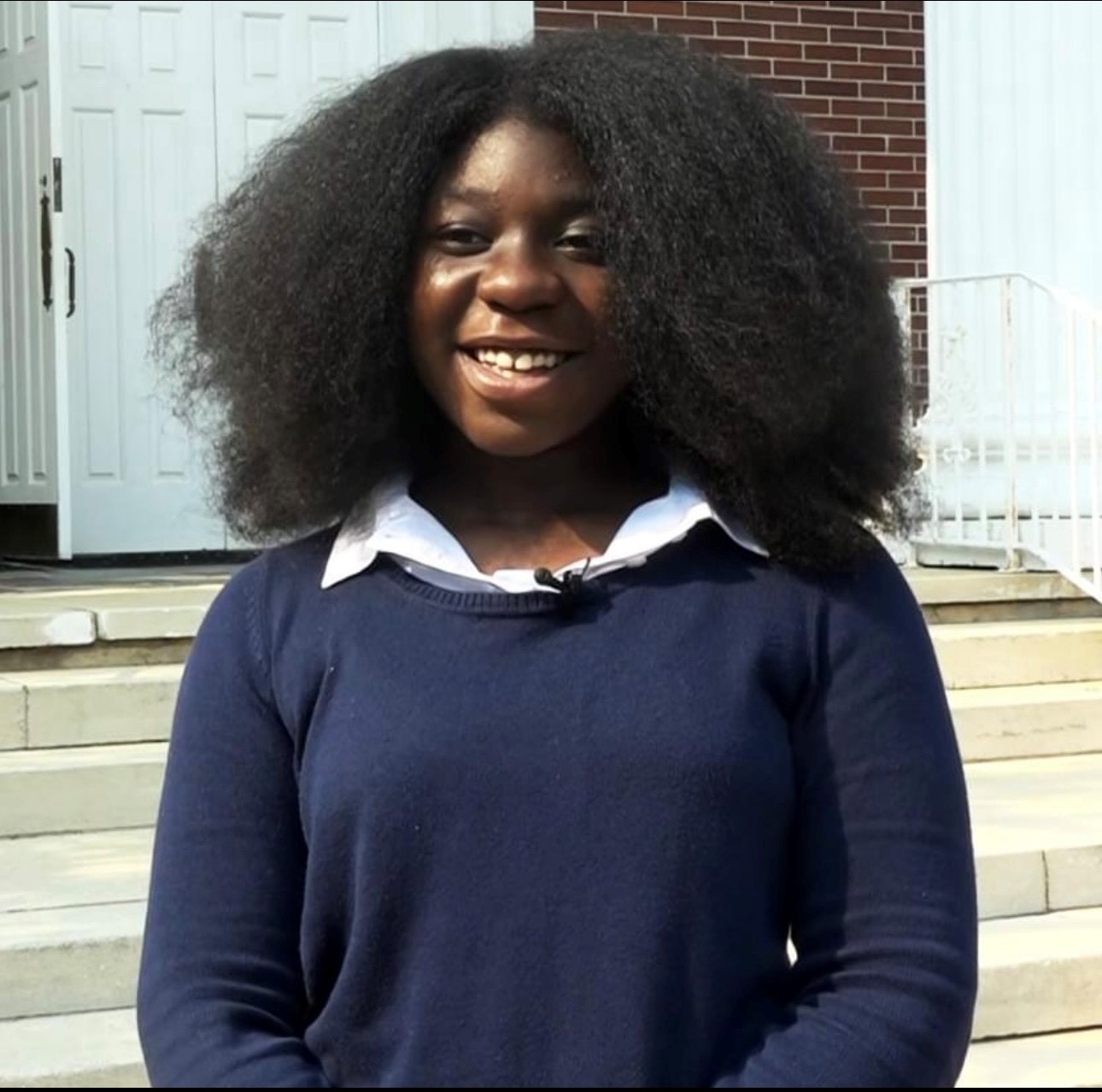 It’s halfway through summer vacation, and 12-year-old E’leese Shelton is bored.
When you breeze through elementary and middle school and graduate high school before becoming a teenager, learning is your thing.
So, the trip earlier this summer to North Carolina was nice. The family visited High Shoals Falls and escaped the Florida Panhandle heat. But, given her choice, E’leese would rather be reading, writing, and learning.
“I want to go to school,” E’leese said.
She can’t. Mom’s rule.
E’leese, who lives with her family in Tallahassee, wanted to begin her next chapter early with summer classes at Tallahassee State College (TSC), but her mom, Danrell Shelton, said no.
“I said, ‘You're gonna rest the whole summer and then pick it up in the fall. So, I'm gonna step in at this time because I don't need you to get in college and burn out. No, we're gonna take a break,’ ” Danrell told the younger of her two children back in the spring.
So E’leese is counting the days until Aug. 19 when the fall semester begins at TSC. It’s the first step toward her goal of becoming a pediatrician. After TSC, E’leese intends to enroll at Florida State University (FSU) and major in chemistry.
“I can’t wait,” she said.
E’leese graduated in May from Tallavana Christian School, a private PreK-12 school in Havana. She attended the school with the help of a Florida Tax Credit Scholarship, made possible by corporate donations to Step Up For Students.
“It’s a great scholarship,” Danrell said. “It was a great help for her and us financially, paying for her schooling so she could keep going.”
Not surprisingly, a 12-year-old who graduates high school garners a lot of attention, but E’leese doesn’t think she has accomplished anything special.
“I don’t,” she said. “I see it as I just finished high school, and now I’m going to college. Like it’s regular.”
When E’leese was 2, Danrell bought her a LeapFrog tablet. It wasn’t long before Danrell realized E’leese was teaching herself. She was reading by that age and within two years, E’leese could handle basic math. She skipped kindergarten and first grade. She began freshman high school courses when she was 9.
“When she was in second grade, she was doing third-grade work,” Danrell said. “When she was in third grade, she was doing fourth-grade work.”
And so on.
This is nothing new for Danrell and Fred Shelton’s children. E’leese’s older brother, E’ven, who attended private and district schools, graduated high school at 15. He graduated in May from FSU with a degree in anatomy. He is headed to Tulane University in New Orleans, where he will begin medical school.
Darnell stressed both of her children were more than willing to push themselves beyond their grade year.
“I’d ask, ‘Is this too hard? Are you OK with this?’ And they were like, ‘Yeah, we’re fine with this,’ ” she said. “And they would get on a computer and do the work themselves. We barely had to check homework. We just checked for grades.”
That’s what E’leese’s parents stressed to the administrators and teachers as E’leese leapfrogged her way through Tallavana Christian. Don’t focus on her grade. Focus on her grades.
Ebony Townsend, Tallavana Christian’s principal, was E’leese’s third-grade teacher. Because E’leese was so young, Townsend said she lacked basic third-grade skills, like tying her shoes, coloring inside the lines, and penmanship.
“But the academics, she was on point every single time and made A's throughout,” Townsend said.
E’leese worked to catch up to her classmates in those non-academic areas while surpassing them scholastically.
“Her focus and dedication are different from other children,” Townsend said. “She set forth a goal, and she wanted to reach it. And at the same time, she has really supportive parents and because of their support, you know, she was able to be successful.
“When she said, ‘This is what she wanted to do,’ they said that they were going to support it 100% She had motivation from her own brother who graduated early from school. So since he graduated early, she wanted to beat him. She has a competitive spirit about her.”
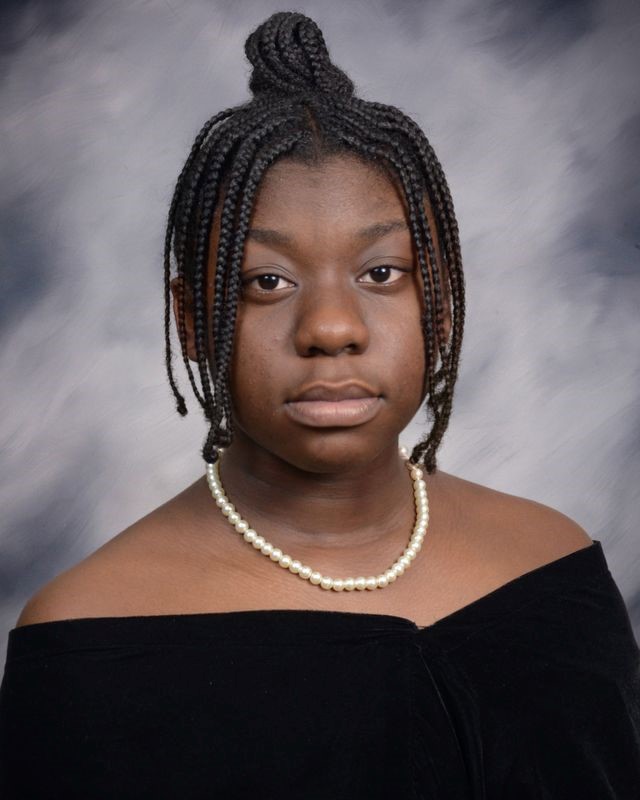
E’leese said the first time she gave any thought to her age in regard to what grade she was in happened when she was 9.
“That’s when my mom said I was starting high school classes, and then I guess I did the math,” she said.
The math said E’leese, who turns 13 in September, would enter college before she became a teenager.
“I was like, ‘Oh, give me that,’ ” she said. “I just started taking those classes, and I was like, ‘Yes. Pretty cool.’ ”
Danrell said E’leese is mature for her age, which is one reason why she was able to handle sitting in classrooms with classmates who are four or five years older.
“She’s a people person, older, younger, anybody,” Danrell said. “Her maturity level is way up there.”
E’leese admitted it was awkward at first.
“But then they just kind of treated me like I was 18 years old, like I was just like them, one of the friends or something like that,” she said.
She doesn’t expect to be intimidated when she walks into her first classes at TSC.
“I'm a little nervous, but I'm excited to basically have the college experience,” she said.
Townsend believes E’leese’s academic success will continue at TSC and beyond.
“I definitely expect a lot from her in the future,” Townsend said. “And she can do anything she puts her mind to.
As for her career plans, E’leese has wanted to be a pediatrician since, not surprisingly, a young age.
“I would go to my doctor, a pediatrician, and we would talk a lot,” she said. “One day he told me I could shadow him, and I thought that was a pretty cool idea, and from then on I wanted to be a pediatrician.”
When did that conversation take place?
“I think,” E’leese said, “I was like 3.
DORAL – When he begins his freshman year this fall at Boston University, Alvaro Saenz plans to major in biomedical engineering, a decision driven by his lifelong love of science and his desire to dedicate his life to helping people with special needs – such as his brother.
“It combines the best of both worlds,” he said.
Alvaro has always been fascinated with science. The desire to work with those with special needs comes from his younger brother, Jose Pablo, who, at a young age, developed a form of epilepsy that cannot be controlled by medication.
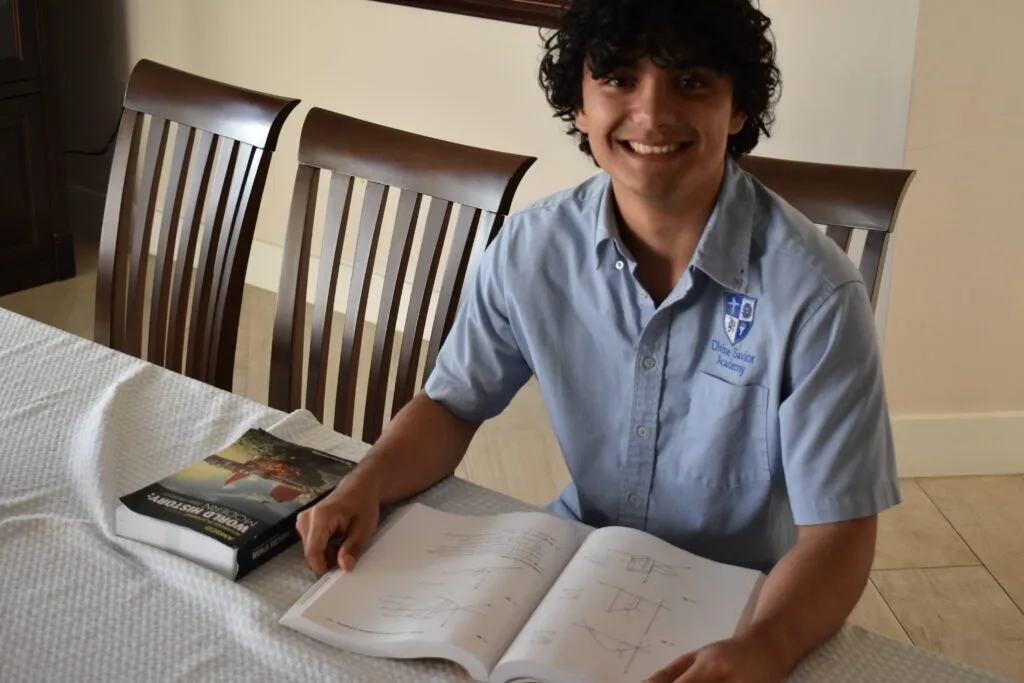
Alvaro will graduate this spring near the top of his high school class then study biomedical engineering at Boston University.
Alvaro was in second grade at the time. Since his parents, Ivan and Maria, needed to direct most of their attention toward Jose Pablo, who can suffer as many as nine seizures in a day, Alvaro decided to become as independent as possible. He helped more around the home and learned to do his homework without asking for help. No one had to tell Alvaro he needed to finish a school report on time or study for a test.
“It was tough on all of us,” Ivan said, “but especially on Alvaro.”
“But,” Maria said, “Alvaro never asked for help. Never.”
The result is a parent’s dream.
In a few weeks, Alvaro will graduate from Divine Savior Academy near the top of his class and with a QuestBridge National College Match scholarship. The scholarship pairs high-achieving high school seniors from low-income families with top universities across the country. It covers tuition and fees for four years.
Alvaro attends Divine Savior Academy (DSA) with the help of a Florida Tax Credit Scholarship, which is made possible by corporate donations to Step Up for Students. DSA is a faith-based, private pre-K-to-12 school in Doral, located a short walk from the Saenzes’ home.
Alvaro’s older sister, Sofia, is a 2017 graduate of DSA. She graduated last May with a law degree from Kent University in Canterbury, England, and is looking for a career in publishing.
Jose Pablo attends Divine Savior School (DSS) on Florida’s Family Empowerment Scholarship for Students with Unique Abilities. Divine Savior School is located next to DSA and opened four years ago. Jose Pablo, now in the tenth grade, was one of the first students.
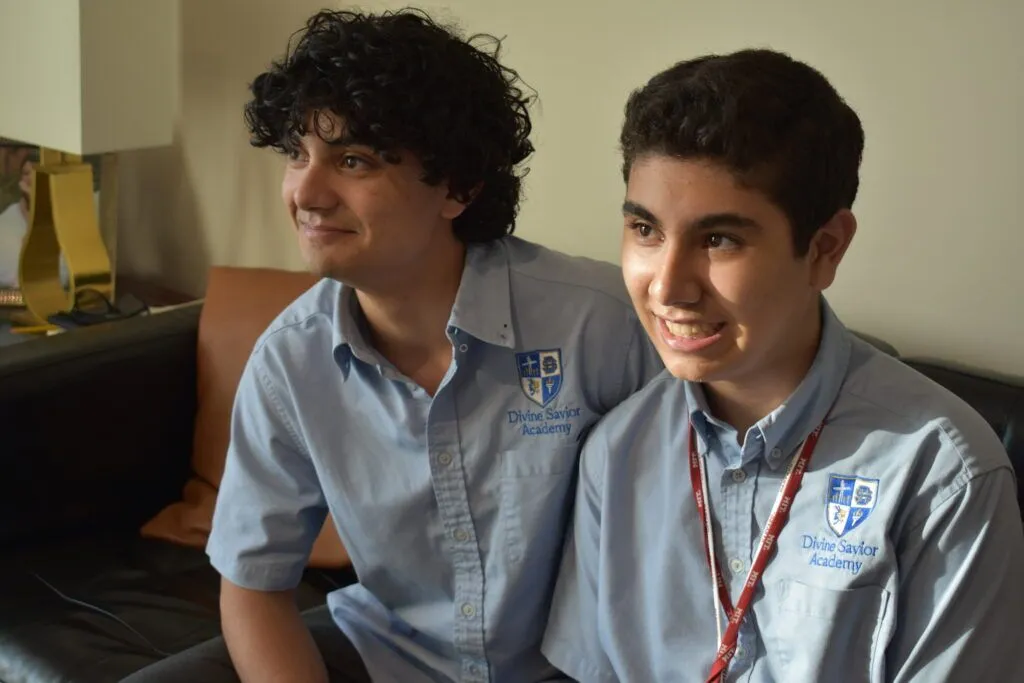
Watching his brother Jose Pablo (right) battle seizures nearly every day is one of the reasons why Alvaro wants to study biomedical engineering.
“The scholarships are a huge blessing,” Ivan said. “We can’t even begin to say how much these scholarships mean to us. My two oldest children have bright futures because of them, and with Jose Pablo, we found a place where he can thrive.”
The family immigrated from their native Bogota, Colombia in 2000, because Ivan and Maria wanted a better life for their children. That began with a faith-based education. Ivan and Maria felt DSA was the best educational setting for their children.
“They have bright futures because of Divine Savior Academy,” Ivan said.
Sofia said the academy prepared her for life after high school.
“The college counselors we had there were incredible,” she said. “Having that guidance helped me prepare to be very organized, very meticulous in college. The teachers themselves were all incredible. I have so many fond memories of so many teachers. They really dedicated themselves to making sure we had a proper education and prepared us for the world outside of our high school.”
Sofia attended Drexel University in Philadelphia for one year. But the high cost of tuition sent her to England, where a college education isn’t quite as expensive.
Alvaro was in middle school at the time and sensed the financial burden a college education could place on his family.
“When I saw what my sister went through with college, I started seeing all the difficulties the finances would be, I knew that I had to maintain a certain academic level so that I would be able to get a scholarship and achieve everything I wanted to,” he said.
In fact, Alvaro often wondered how his parents were able to send him to DSA.
“I was kind of glad that my parents had told me about the FTC scholarship,” he said. “It removed the sense of burden and gave me a great sense of appreciation honestly, that this whole time I was getting the support from this program.”
Since its inception in 2003, QuestBridge has awarded more than 14,500 scholarships, including 2,242 in 2023. Applicants must have an unweighted grade point average of 3.94 and can apply to as many as 15 schools involved in the QuestBridge program.
In addition to Boston University, Alvaro applied to Johns Hopkins University, the Massachusetts Institute of Technology, Columbia University, the University of Pennsylvania, and Yale University. He was matched with Boston University and received the acceptance email on Dec. 6.
“We were so relieved,” Maria said. “I could finally breathe.”
“The scholarship is a step forward towards reaching my dreams,” Alvaro said.
And that dream is to help find a treatment to help ease Jose Pablo and others like him wage their daily battle against epilepsy.
“I’ve spent pretty much my whole life helping him through this,” Alvaro said, “and it’s left me with this sense of duty to help others with similar conditions.”

