 Tax initiatives: About a third of Florida residents face increased taxes if voters in seven counties approve initiatives Tuesday to raise money for their school districts. Officials in those districts say the state put them in the position of asking for voter help by underfunding mandates for school security. "The legislative mandates were substantially unfunded," says Alberto Carvalho, superintendent of the Miami-Dade County School District. "It has put significant fiscal pressure on the district." Bloomberg. In Miami-Dade, a four-year property tax hike would generate an extra $232 million a year, and 88 percent of the money generated would go for teacher raises. In Palm Beach County, a four-year increase in property taxes would bring in about $150 million more a year, and the district has pledged 50 percent of it to improve teacher pay. Miami Herald. Palm Beach Post.
Post-hurricane schedule: The Bay County School District's plan to make up the three-plus weeks of class time students lost to Hurricane Michael is approved by the Florida Department of Education. The district's schools will be 10 to 14 minutes longer every day and schools will be in session on four days that had been set aside as holidays or teacher work days. Already scheduled time off over Thanksgiving, Christmas and spring break will not change. Half the district's schools reopen today, and the district's goal is to have the rest open by Nov. 13. Panama City News Herald. New bus stop schedules are issued for Bay County students, many of whom may be attending a different school starting today. The district is also handing out reflective items for students who will now be going home in the dark. WMBB. Panama City News Herald. School officials in Calhoun and Jackson counties had to get creative to reopen schools last week. WFSU. Eighty Florida students displaced by the hurricane are attending southeastern Alabama schools. Associated Press. Gov. Rick Scott is asking the Florida Department of Education to send additional funds to districts so schools damaged by the hurricane can be rebuilt to withstand storms. Gradebook. (more…)
For two years, Florida private schools have faced a dilemma affecting students who want a jump start on college. A change in the way the state funds dual enrollment has meant that for some of them, it's no longer free.
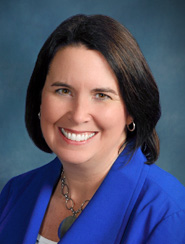
Sen. Stargel
This year, though, a fix may be in the works. The proposed legislation could also make college courses more accessible to home-school students.
In 2013, the Legislature shifted some of the costs of dual enrollment courses from colleges to school districts. The change wound up affecting many private schools, which started receiving charges of $72 per credit hour for students who enrolled in college courses. That meant private schools either had to come up with money to cover their costs, or take dual enrollment options away from their students.
Legislation by Sen. Kelli Stargel, R-Lakeland, approved last week by a Senate panel, would change the way private school students participate in dual enrollment.
The bill would create a new system, similar to the one that exists for home education students. Private-school students could enter articulation agreements with colleges, allowing them to take dual enrollment courses free of charge.
"I think it would be prudent to allow these kids the opportunity to attend our dual enrollment opportunities at our community colleges, and not charge them, the way that we don't charge other students," Stargel told the Senate Education Committee.
The bill, SB 874, would also require colleges to offer textbooks to home- and private- school students. Under the current law, they often have to supply their own. Similar legislation has been filed in the House.
Despite the efforts of private schools and some lawmakers, the Florida Legislature this spring didn’t resolve concerns that more private schools could end up paying for their high school students’ dual enrollment courses.
Last year, the Legislature changed the way the state funds dual enrollment courses, requiring school districts to pick up the tab for courses their students took on college campuses. That led to concerns that private schools could face similar charges, potentially reducing their students' access.
Potential remedies were floated during the recently concluded session, but didn’t stick.
The House, for example, proposed adding language to state law ensuring private schools would be exempt from any of those payment provisions.
Private-school supporters spent the final week of the session emailing and calling legislators. But in the end, the plan to exempt private schools from the payment requirement did not prevail, nor did separate
legislative efforts by Sen. Kelli Stargel, R-Lakeland.
The final legislation did make some tweaks, though. It provided, for example, that the Legislature could cover the cost of dual enrollment courses taken over the summer.
While it's not clear what the impact will be for private school students, James Herzog, the associate director for education at the Florida Conference of Catholic Bishops, said he was worried it could create a "chilling effect" if more colleges start billing private schools for the costs of dual enrollment courses.
Howard Burke of the Florida Association of Christian Colleges and Schools said parents of private school students should be able to enroll their children in the same college-credit courses as their public school peers.
"They're paying the same taxes the public school child's parents are paying that have dual enrollment," he said. "They should have equal access."

