A Central Florida district was recently credited for its efforts in advancing personalized learning in the classroom as part of a state initiative.
But the district chose to change course abruptly under new leadership.
Even so, personalized learning advocates say there is still hope for their push for personalization, and a state program intended to help it along.
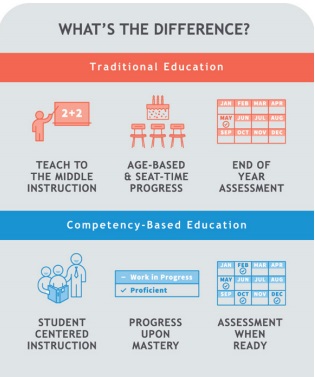
Lake County was one of four districts chosen to become part of a competency-based learning pilot program. Competency-based learning is the foundation of personalized learning. It allows students to advance to higher levels of learning based on their mastery of a topic rather than the amount of time they spend on it.
The Foundation for Excellence in Education, a reform advocacy group, is studying personalized learning and how it is bringing change to classrooms in Florida. It's cited examples of success. And it's stressed that competency-based learning does not clash with one of the foundation's other objectives: Setting high learning standards for every student.
On the contrary, ExcelinEd says it enables all students to work toward the same goals. The foundation hopes allowing students to proceed at their own pace, according to their interests, will ensure all of them actually reach those goals.
Three districts and a lab school are proceeding apace with personalized learning. None has yet applied for a waiver enabled by a state law passed last year, but they're gradually giving students more choices in their learning. In some cases, they're trying to rethink school from the ground up. But no district was further along than Lake County.
So what impact will its abandonment of the state initiative — and a grant backed by national philanthropists — have on personalized learning in Florida? The differing answers to that question help shed light on questions educators and policy wonks keep asking. Is personalized learning just a buzzword? Or can it represent meaningful changes in classrooms?
'Regrettable' move
A 2016 law created a competency-based learning pilot program for the Pinellas, Palm Beach, Seminole County and Lake County school districts, as well as the University of Florida’s P.K. Yonge Development Research School. It allows them to apply to the Florida Department of Education for waivers from state regulations that might stand in their way.
But with a change in leadership in Lake County, the state’s 19th-largest district, Superintendent Diane Kornegay and school board members decided to change course.
“It is regrettable that Lake County has come to that decision,” said Shan Goff, Florida policy director for ExcelinEd. “That is a local decision. We do think it is unfortunate. They were further along in implementation. People can still learn from Lake County. We are trying to give greater focus or support to the remaining districts.”
Meanwhile, officials in the other districts say they’re still making substantial progress. Initiatives vary from one district to another. They range from math acceleration to revamped report cards that embrace “standards-based grading” to an effort to design the high school of the future.
But Lake County School board officials argued personalized learning is just another word for good teaching practices.
A district's diappointment
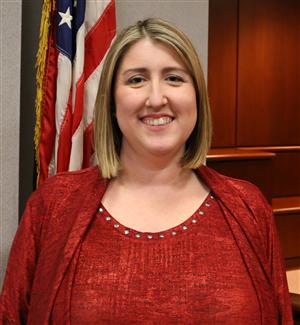
Lake County School Board member Kristi Burns
In 2014, Lake was one of six districts in the nation to receive a three-year, $3.1 million grant from the Bill and Melinda Gates Foundation’s Next Gen Systems Initiative. The money was supposed to help prepare schools for personalized learning.
Lake ranked 44th in student achievement in 2016. Its graduation rate used to be above state average. Now the district is below. Umatilla High School, which carried out the personalized learning program in some classrooms, dropped from a B to a D on its state report card.
School Board member Marc Dodd said results like those prompted the district to pull away from the program.
“We did not see us climbing in the rankings with those methods,” he said. “It is about getting back to the basics about what are the good teaching strategies that we need to see in every single classroom. We were not seeing a return on our investment.”
Lake County School Board member Kristi Burns also raised concerns.
“Competency-based learning will work for some students,” she said. “Our goal is to reach all students and you do it by differentiating education. It is making sure you are teaching to less advanced and more advanced kids in the classroom.”
The problem with competency-based learning is it more student-driven, with less teacher guidance, Burns added.
“It is difficult for young children to initiate all their own learning without as much of a teacher guidance,” she said. “Our goal is to make sure teachers are guiding our students learning.”
Emily Weiskopf, chief of transformation for Lake County schools, said even without a personalized learning program, the district expects all students to master academic content and gives them a choice in how they show mastery.
“With the vision of transforming classrooms for the 21st-century learner to include opportunities for students to collaborate around relevant and real-life problems, students are able to engage in problem-based learning and refine their skills of collaboration and communication,” she said.
Weiskopf added the district is continuing to offer programs that embody the spirit of competency-based learning. Dual enrollment, Advanced Placement classes and industry certifications allow students to take college-level courses or pursue their interests.
Moving forward
Goff said there is much to learn from the early competency-based learning initiatives.
“I think one of the lessons learned clearly was this program can’t be something different and apart from the district in improving the quality of instruction,” she said.
Karla Phillips, ExcelinEd's personalized learning policy director, said the essence of the program is providing flexibility and meeting students where they are.
Competency-based learning gives students the opportunity to completely master a standard. Right now, Phillips said, “We give diplomas based on seat time and grades rather than whether they master the content."
For example, if a student scores 80 percent on a math test, that student is going on to the next level without mastering 20 percent of the material. Online learning guru Sal Khan has memorably illustrated this problem, likening it to building a home on 80 percent of a foundation.
Competency-based learning changes that dynamic. But change does not come easy.
Support is critical in schools, Goff said. Schools need a healthy dose of teacher training.
There is still much to study about this new evolution in learning. But its clear that competency-based learning requires support from school leaders, a fundamental shift in the curriculum and everyone to be on the same page. This certainly has occurred at P.K. Yonge, where the University of Florida’s K-12 laboratory school has shown promise.
One district is pulling back from a state initiative intended to help students learn at their own pace.
But the remaining three school districts and a laboratory school at the University of Florida are sticking with a competency-based learning initiative backed by a 2016 state law.
School districts in Pinellas, Palm Beach and Seminole Counties, as well as P.K. Yonge Developmental Research School, say they're exploring competency-based learning. They want students to advance to higher levels of learning based on their mastery of a topic, rather than the amount of time they spend.
The concept dovetails with personalized learning, the broader idea that educators should tailor instruction to students' individual needs and learning interests. (more…)
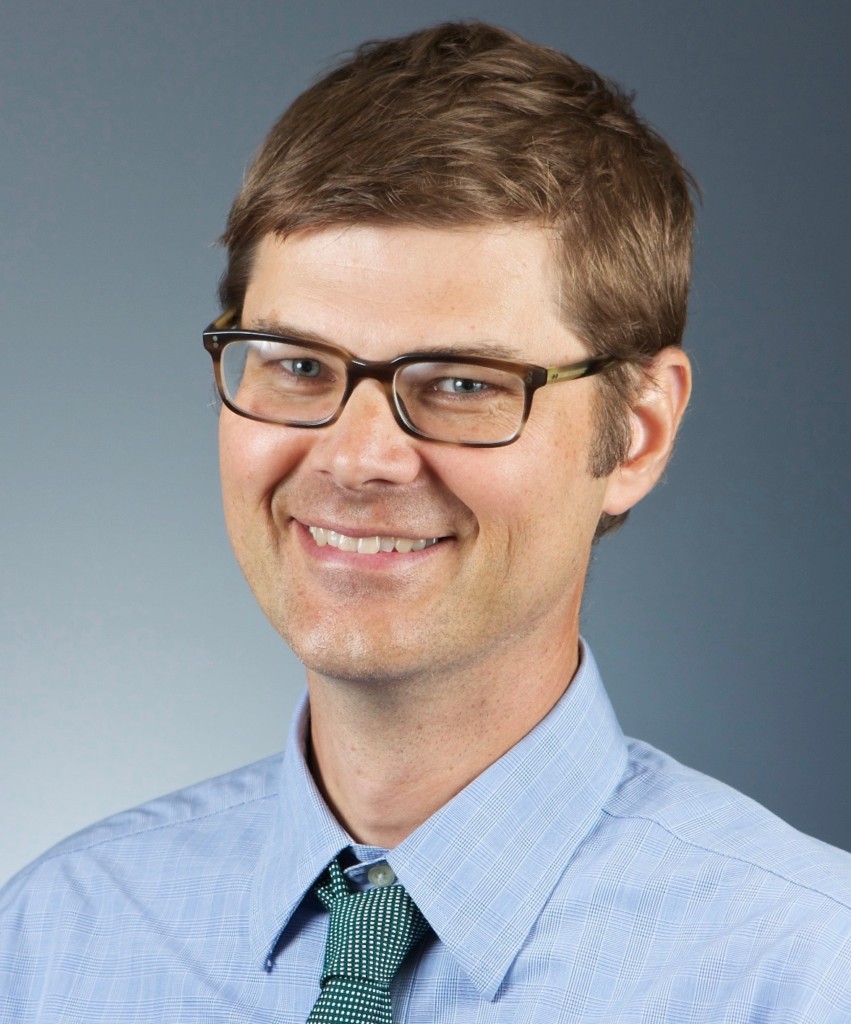
Michael DeArmond
The rollout of personalized learning is taking the education field by storm.
Experts are still ironing out many aspects of the concept, which tailors instruction to students individual needs and interests.
Is the new learning method sustainable? Can there be a universal definition and program for personalized learning?
Michael DeArmond, a senior research analyst at the Center on Reinventing Public Education, who with his colleagues Betheny Gross and Robin Lake, visited schools across the country implementing personalized learning, shared his insights on the topic.
Q: Can a universal model of personalized learning work? (more…)
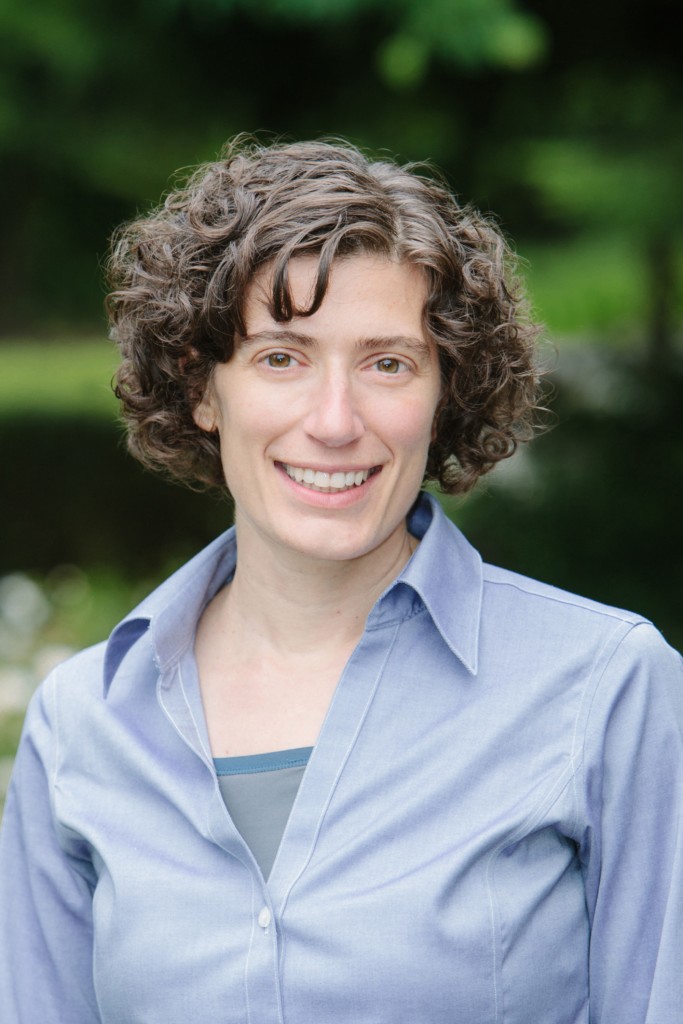
Betheny Gross
Personalized learning has been lauded as the next major shift in education, with policymakers stating it is the best way to increase student achievement.
However, like with any major shift, there are bumps along the way.
For example, in Lake County, Fla., it was not implemented consistently across the district, prompting school officials to change course.
And education experts state there is not one concrete definition or universal plan for implementing personalized learning.
Betheny Gross, a senior research analyst and research director at the Center on Reinventing Public Education, helped lead a multi-method study of schools implementing personalized learning. We spoke with her about the new learning method. Gross and her team visited more than 40 traditional and charter schools in 17 cities across the country.
Our conversation has been lightly edited for length and clarity.
Q: What, exactly, is personalized learning?
A: It is obviously a fairly broad concept. It is a strategy and approach to provide a personalized experience. It emphasizes crafting education experiences around student interests and talents. It is the idea that you are tailoring the child’s experiences to what they need to learn and for the talents and interests they possess. (more…)
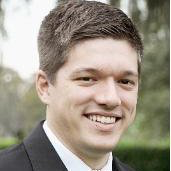
Justin Crouch
Growing up, Justin Crouch experienced a personalized education first-hand.
“When I was in third grade I had a teacher that personalized for me and it completely changed my outlook on school,” he said. “Mrs. Coad challenged and pushed me according to my abilities rather than just ‘teaching to the middle.’”
The experience inspired him as a teacher to do the same thing for his own students.
In Crouch’s classroom, personalized learning worked, and test scores back it up.
Prior to implementing personalized learning, Crouch said his students scored in the 70s. After the implementation, they scored 10 percentage points higher. Critics of personalized learning argued results elsewhere in Lake County Schools were mixed.
But Crouch said the right mindset helped his high school social studies students succeed.
“The reason I found success in my classroom is because any decision I made in the classroom always went back to, how is this going to benefit the student? How can a student prove mastery to me through the standards?” Crouch said. “I had to provide them with a clear goal of how they are going to do that. My students knew upfront if you don’t follow through on your end of the bargain there is accountability on the back end.”
Since then, Crouch has moved on to Florida Virtual School. The online enterprise started as an experiment in the late '90s. It now functions like a statewide school district, with personalized learning in its DNA.
Prior to his work with FLVS, Crouch was involved with the rollout of the personalized learning grant at Umatilla High School from 2014-17. He said the program made a difference for the district and for his students. (more…)
In our everyday lives, we have choices.
We rarely buy whole LPs. We use programs like Spotify and Pandora to build custom playlists based on our individual tastes.
In everything from cars to spaghetti sauce, options have multiplied. Choice and customization reign.
As our culture has moved away from a ‘one size fits all’ approach to personalization to better meet an individuals’ preferences, the education field is following suit.
However, there is one problem.
Experts say there is not one universal term to describe “personalized learning." It means different things to a wide range of people who have different agendas.
Some say it is an excuse for unremarkable lessons with computers babysitting students for hours. Others say it is a new phrase that simply describes good instruction, where teachers connect with individual students. (more…)
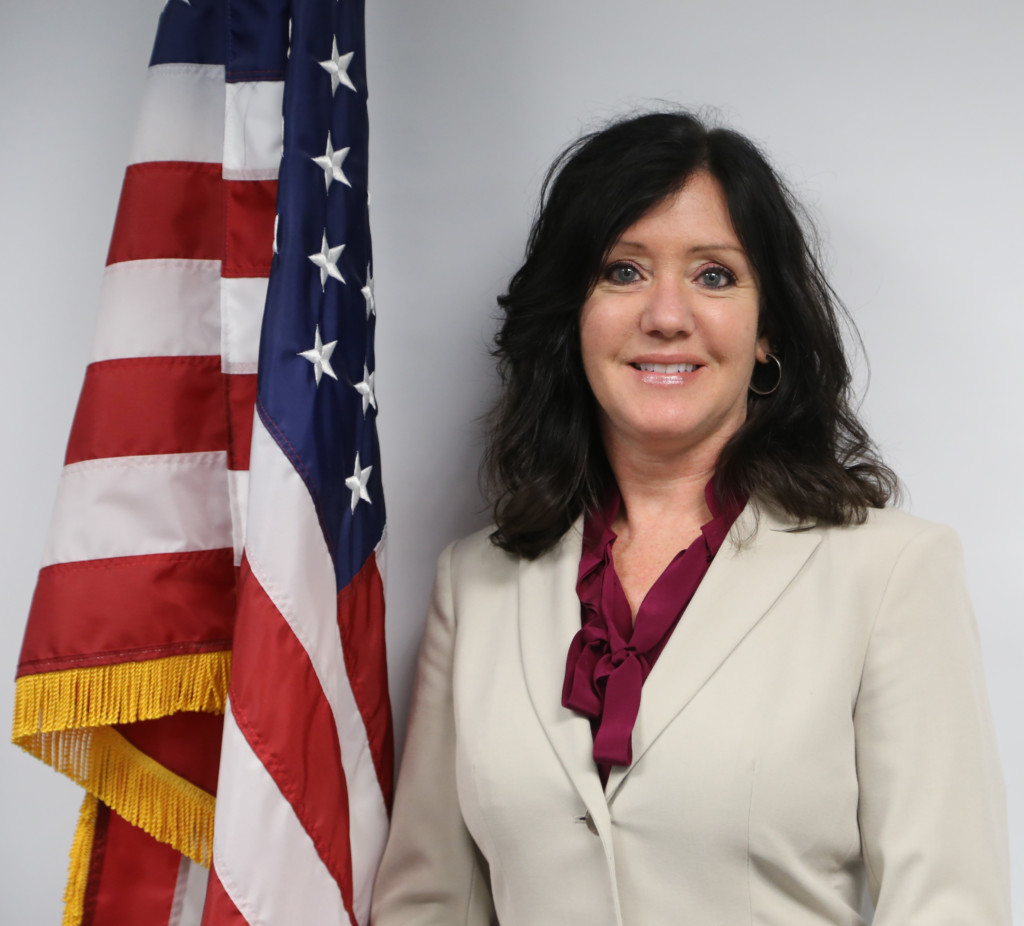
Lake County Superintendent Diane Kornegay
Former Lake County Fla. Superintendent Susan Moxley set out to achieve one goal above all others in her eight years in the top position at the district: Customize education for each student, preparing them for college and careers.
The Central Florida district was one of six in the nation to receive a three-year, $3.1 million grant from the Bill and Melinda Gates Foundation’s Next Gen Systems Initiative in 2014. The money was supposed to help prepare schools for personalized learning — a concept that has become a focal point for Gates and other major philanthropists, as well as educators and advocates across the ideological spectrum.
Three years later, the district is changing course.
Most of the grant money has been spent. The district is sending back the remainder of the funding and discontinuing the program.
Under new leadership, district officials argue they do not need to spend money on a program dedicated to personalized learning. Some skeptics say it simply embodies good teaching.
See also: When we say personalized learning, what do we mean?
There's no question the grant changed practices throughout the district and lit a fire in some educators — some of whom have carried the torch to other employers.
But it's also clear some of the changes the grant sought, like the development of a competency-based learning system encouraged by a new state law, won't come to fruition. At least, they won't in Lake.
The experience in this district of 41,000 students sheds light on what it will take to spread personalized learning from conference halls and foundation boardrooms to classrooms across the country. (more…)
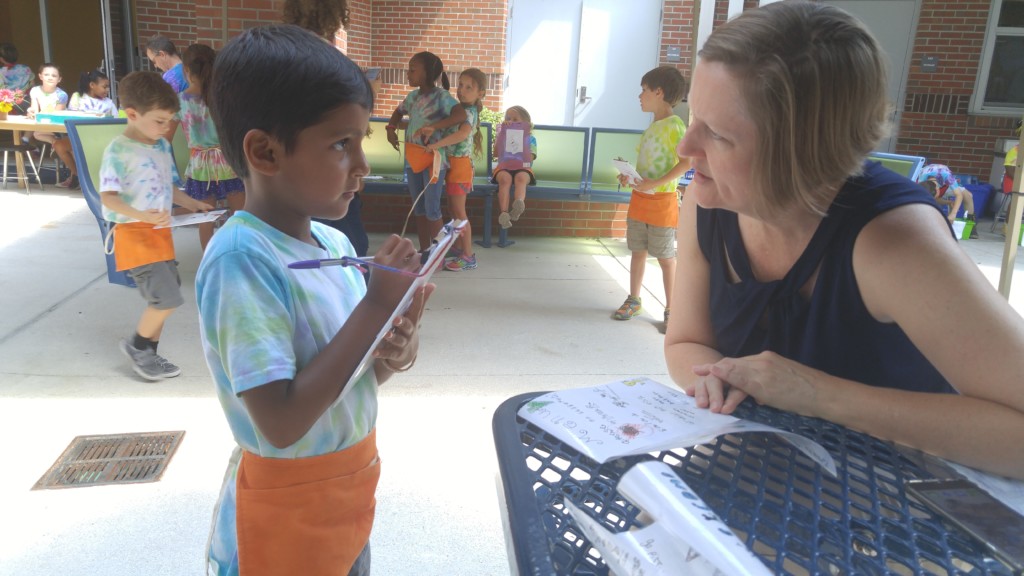
Vade Kafie, a student at P.K. Yonge, takes Julie Henderson's order at Pizza by the Creek, a six-week project based on personalized learning
GAINESVILLE, Fla. - Italian music played in the background as kindergarten and first-grade students welcomed parents and guests to Pizza by the Creek — a student-managed restaurant at P.K. Yonge Developmental Research School.
Several donned waiter outfits, preparing to serve pizza to parents and guests. Others carried boxes with materials to clean tables. One student served as a hostess, holding napkins neatly folded with plastic silverware. A few other students managed the cash register, giving actual change back to customers as they left.
Instead of assigning students specific tasks in the restaurant, their teachers hosted a job fair. Students applied for their positions with the restaurant, part of a six-week project-based learning unit that incorporates principles of personalized learning.
The definition of personalized learning is hotly contested and constantly changing. It generally refers to the idea that education should be tailored to every student’s needs, interests and strengths.
Students can participate in fun activities such as Pizza by the Creek, while at the same time, teachers can ensure those activities help them reach specific learning goals, like the Florida State Standards.
One aspect of personalization is competency-based learning, which allows students to advance to a higher level of learning regardless of the time they spend on a subject once they show mastery. Educators at P.K. Yonge said Pizza by the Creek is just one example of how they’re honing techniques that can help raise student achievement and better prepare students for the real world.
The school's mission requires educators to experiment with cutting-edge techniques, while also making sure they serve their students well.
“We see a much bigger picture of what is personalized learning and how you can design an environment to support that,” said Lynda Hayes, director of P.K. Yonge. “We are working in a high-stakes environment, demanding a lot of change and at the same time trying to mitigate any risk, and it is quite a juggling act.”
The K-12 school is high achieving, having received an ‘A’ in 2016.
The Florida Department of Education reported 68 percent of students at least passed or received a higher mark on the English Language Arts and math exams. The same nearly held true for the school's science scores, with 65 percent of students achieving such results.
Although P.K. Yonge is not a charter school, it admits students by a lottery. As a lab school, it’s required to enroll a student population that roughly reflects the statewide student population.
According to the school, 50 percent of its students are below Florida’s median income; 52 percent are children of color and 12 percent include students with disabilities. Students commute from more than 30 surrounding small and rural North Florida cities and towns. (more…)
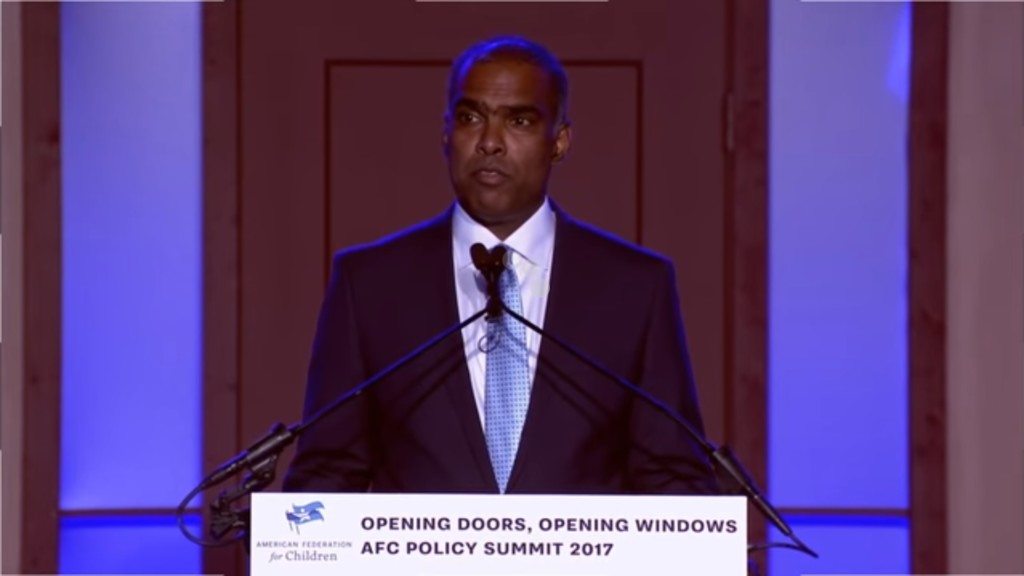
Sajan George, the founder of Matchbook Learning, gives the closing address at the American Federation for Children's annual policy summit.
Educators and policymakers at the American Federation of Children's annual summit in Indianapolis this week were all speaking in unison about a shift in the classroom that they believe will improve student achievement: personalizing learning to meet the needs of individual students, allowing them to learn at their own pace.
A week earlier, at a separate event, the New Schools Venture Fund Summit sounded a similar theme.
Personalized learning has been a talking point in education policy circles for years. Some skeptics argue that what some people call "personalization," is really just a new-fangled buzzword for plain good teaching that takes students' individual needs and abilities into account.
Still, the buzz coming out of education conferences shows how personalized learning has become a focal point for philanthropists and practitioners. During a time of growing ideological division, it is one of the few concepts that still unites disparate wings of the education reform movement.
At the ACF summit, former Florida Gov. Jeb Bush said customizing learning and considering the “uniqueness” of each student is a critical step in the future of education.
“Students learn in different ways,” he said.
Bush said only one-third of the country’s children are college or career ready — a statistic he said illustrates the urgency of improving education for every child. (more…)
Florida is making a concerted push toward personalized learning — tailoring lessons more closely to individual students and allowing them to advance through school based on what they know, rather than the amount of time they spent in class.
Other states are, too, but there's something noteworthy about Florida's approach: It's largely being led by school districts.A state law passed earlier this year gives four districts and one university-based lab school the ability to participate in a pilot program to experiment with personalized learning.
A new report from the Foundation for Excellence in Education looks at personalized learning in three states, and notes Florida is taking a "bottom-up" approach. The law is intended to make way for changes districts are already carrying out, or at least hoping to pursue.
Lake and Pinellas Counties began their experiments a couple years ago, as part of a grant program funded by the Bill and Melinda Gates Foundation. The superintendent of Palm Beach County schools, Robert Avossa, was hired away from Fulton County, Ga., which is also participating in the Next Generation Systems Initiative Grant. The Seminole County school district and P.K. Yonge Developmental Research School are also allowed to participate in the pilot program.