This school year, tens of thousands of families are expected to enroll their children in private schools with the help of Florida tax credit scholarships. For some of them, the scholarships might not be enough to cover all of their private-school tuition, meaning they'll have to seek financial help from their schools, or come up with money on already tight budgets.
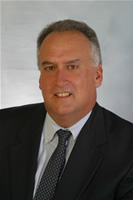
Riley
But this school year, more than 350 children in the Tampa Bay region won't face that conundrum, thanks to a new fundraising effort designed to bridge the gap between their scholarships and the full cost of private school tuition.
Now in its second year, the Bridge Scholarship program, a project of the Tampa-based Riley Family Education Foundation, has doubled in size.
But Scott Riley, its chairman and namesake, has plans for bigger growth in the years to come. He wants to recruit sponsors statewide, and even envisions expanding the effort into other markets with private school choice programs that could use a slight boost.
A serial entrepreneur with roots in the Tampa Bay region, he says he views the first couple years as a "beta test."
In its first few years, the foundation cobbled together support from local donors and Catholic foundations to support students in the Diocese of St. Petersburg, the onetime home of a Catholic boarding school he credits with turning around his own educational career. He is readying a pitch to businesses: The state's existing scholarship program can allow their money to go further. They can pick the children they support, and follow their progress.
"We'll be tying businesses into the community, and helping kids and schools get full tuition," he said.
A broad-shouldered, fast-talking son of an Irish Catholic from Massachusetts, Riley is founder and CEO of Financial Information Technologies, Inc., or Fintech. The company has built an electronic payments and data-processing platform for alcoholic beverage sales, and its 15-year-old business is growing. In 2010, it was named "business of the year" by the U.S. Chamber of Commerce.
Riley says that success might never have been possible if a once-anonymous benefactor hadn't interceded in his childhood. (more…)

