 Editor’s note: This commentary from Ben DeGrow, policy director of education choice at ExcelinEd, appeared Thursday on the ExcelinEd website.
Last month, the nation took notice as Florida fully opened the doors of education freedom to K-12 students in the Sunshine State by making all families eligible for an education scholarship account.
On July 1, Florida is set to become the third state in the nation to launch an ESA program with universal eligibility.
Budget negotiations, now underway, will determine the number of scholarships available in the upcoming school year. In recognizing program dollars would be limited, policymakers also ensured that the new law guarantees students from households at the lower end of the spectrum are near the front of the line.
An additional feature of the Sunshine State’s enhanced ESA program will soon benefit many families that receive a scholarship: choice navigation. Florida parents will have the option to use some of their ESA funds for a credentialed consultant, known as a choice navigator, who can help them choose the most effective curricula, academic programming or support services for their child.
Similarly, the state’s education department has been charged with developing an online portal that will be able to recommend specific schools and other resources based on a student’s needs and interests.
The wealth of options unlocked by ESAs can be a huge benefit. Yet a quick look at other states suggests this also can be overwhelming. Arizona’s universal ESA program has approved nearly 3,000 different service providers that parents can select from on the state’s digital direct pay platform. More than 1,000 options are for tutors alone.
In New Hampshire, the state’s Education Freedom Accounts—after less than two years in operation—enable participating families to use their funds at any of more than 650 schools, tutors, therapists, educational programs and retail vendors.
In some states, nonprofit organizations fill the valuable role of informing parents about their options in various school choice programs. Parents for Educational Freedom in North Carolina operates a website that lets users search and compare different kinds of schools. In Texas, Families Empowered is assisting parents of special-needs students who receive a $1,500 microgrant.
There’s also a private initiative created by the founders of the online course platform Outschool. The company’s nonprofit arm is focused on helping low-income and minority families navigate the nontraditional path of customized learning through an innovative approach called Outbridge.
In a partnership with the Engaged Detroit homeschool co-op, Outbridge provides a menu of community-based and virtual learning options for parents to purchase with pre-authorized debit cards. Early results show parents have diverse spending habits, but they tend to favor known local resources over remotely accessed providers.
With on-the-ground partner AmplifyGR, Outbridge has launched a parallel project in Grand Rapids, Michigan, for parents of district and charter school students to identify and purchase supplemental services.
In both of these communities, trained coaches also help to give further guidance to parents who struggle with their decisions. This has proven especially helpful to those long accustomed to having limited resources for their children. Outbridge has seen more parents make spending decisions immediately after holding in-person community events designed to provide more hands-on information.
Florida’s program administrators and prospective navigators may learn some helpful lessons from these pilot efforts to benefit families. Meanwhile, leaders in other states with expansive choice could embrace this kind of assistance as a priority. That’s one way to help ensure the promise of universal ESAs doesn’t leave anyone behind.
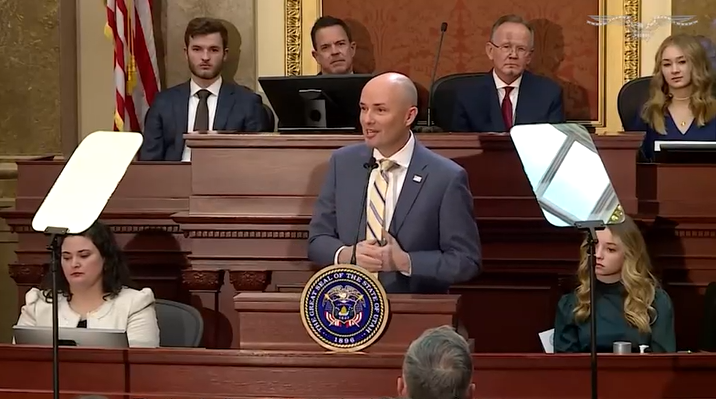
Utah Gov. Spencer Cox signed a sweeping education choice bill into law, which will provide students with state funds for private school tuition and other education-related expenses, joining Arizona and Iowa in enacting universal school choice legislation.
Editor’s note: This article appeared Monday on foxnews.com.
Utah Gov. Spencer Cox, R., on Saturday signed a major school choice bill, giving parents more options for their child’s education.
H.B. 215 provides established the "Utah Fits All Scholarship Program" and provided funding for the program as well as boosted teacher pay.
Scholarship accounts were established on behalf of all Utah K-12 students to pay for "approved education goods and services" starting in the 2024-2025 school year.
"School choice works best when we adequately fund public education, and we remove unnecessary regulations that burden our public schools and make it difficult for them to succeed. We are especially appreciative of our teachers and education leaders who helped push for more accountability measures which were not included in the original bill," Cox said in a press release.
Utah became the second state to sign a major school choice bill this year, trailing shortly behind Iowa Gov. Kim Reynolds who signed a similar bill last week.
As Utah is keeping up with the major school choice legislation being pushed in red states, American Federation For Children Corey DeAngelis said to look out for "Arkansas, Florida, Nebraska, Oklahoma, South Carolina, and Texas."
"A universal school choice revolution has ignited. Utah is the second state this year to go all-in on empowering families with education freedom, and it's only January. Red states are now engaging in friendly competition to fund students, not systems. Iowa already passed universal school choice this year," DeAngelis said.
To continue reading, click here.

