Sen. Clemens filed SB 452 last week, a bill that would prohibit authorization of new charter schools unless the charter provides an instructional service unique to the district. Clemens’ reasoning? He thinks it’s a “poor use of our tax resources” to duplicate efforts.
I can sympathize with worries about wasting tax dollars, but who determines how different the charter and district schools must be from one another? All this bill does is create another layer of bureaucracy on education, which is what charter schools were created to escape in the first place.
Public school principals and teachers often have little say in the operation of their schools. Bureaucrats determine the appropriate number of books, globes, maps, computers, teachers and, in some districts, even the temperature of the classroom. Charter schools were created so teachers and principals could be freed from that to innovate new ideas – big or small – to educate students.
It would be a shame if Clemens’ bill eroded that freedom.
 Shelley Redinger and Spokane Public Schools
While the state teacher union is busy suing to stop charter schools from ever enrolling a single student in Washington state, the Spokane Public School District – led by superintendent Shelley Redinger – has been busy courting charter school operators to provide more options to students.
Once again, it is great to see public school officials seeing themselves as stewards of a child’s education rather than defenders of a single method of education. Also, kudos to the editorial board of the Spokesman-Review for recognizing the district leaders for their efforts!
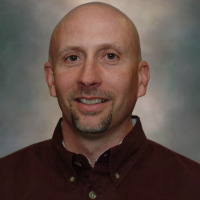 P.L. Thomas - Education professor at Furman University
Charter schools in South Carolina don’t have access to the same capital funds as public schools so, like charter schools in many places, they make do with smaller facilities. As a result, they are less likely to have gyms, libraries, computer labs and federally approved kitchens (which means they can’t get free- and reduced-price lunch subsidies). Because of this, South Carolina charter schools want more money from the state. But Furman University Professor P.L. Thomas says they shouldn’t get it.
Why? Thomas points to research that finds charter schools in South Carolina don’t produce significantly higher achievement results than public schools. It’s true: With a lower per-pupil funding, less adequate facilities and fewer certified teachers, charter schools only manage to get the same results as the better-funded, better-equipped public schools.

