Editor's note: This guest post is from Jesse L. Jackson, superintendent of Lake Wales Charter Schools in Lake Wales, Fla.
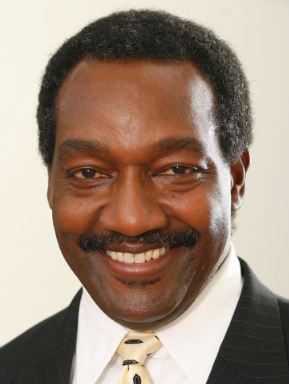
Superintendent Jackson
By early 2000, the once great tradition of outstanding local schools for Lake Wales’ citizens had reached a point of decline. It was at that time when concerned citizens, with the support of the Lake Wales Area Chamber of Commerce education committee, decided to do something to reverse that trend. What emerged was not only an accountability driven charter school system, but, unexpectedly, the town’s biggest employer.
Since 2004, when five Lake Wales’ public schools were converted to public charter schools, and with the addition of Bok Academy charter school and the International Baccalaureate program to Lake Wales High School, a significant reversal has taken place in terms of quality and participation in our local schools. Many families that had previously decided to seek other opportunities to educate their children outside Lake Wales have found favor in our system, which now serves approximately 4,000 students. While the majority live in Lake Wales, many come from surrounding towns. Lake Wales Charter Schools pioneers such as Robin Gibson, Clint Horne, David Ullman and many others could feel quite satisfied when reflecting on the impact of their effort.
However, when the details are analyzed, it becomes quite clear the system offers more than just a great education for this community. The mere shift of the schools’ management from district headquarters in Bartow to Lake Wales has profoundly impacted Lake Wales’ economy.
Our principals are chief executive officers. They have the autonomy and responsibility to make decisions regarding the most effective way to run their schools, including financial matters. With each school’s annual budget ranging from roughly $2.5 million to $6 million, managing the operations of our charter schools is a huge responsibility. The autonomy provides our principals the freedom to make decisions regarding their engagement with businesses. Along with this freedom, they and other members of our leadership team have the responsibility and are compelled to adhere to the strictest finance and accounting principles to ensure our system’s finances are managed properly.
Our success as an effective school system has enabled us to evolve into a locally based multi-million dollar enterprise with an annual budget of more than $30 million. (more…)
 Here's some advice for school districts around the country: If you have a star principal who's uplifted one of your toughest schools, treat her extra nice.
Because folks in Tennessee may be coming with a really sweet deal.
The Tennessee Charter School Incubator has just launched a pioneering effort to recruit top school leaders from far and wide, then give them extended training before they launch their own charter schools. Those selected into the Education Entrepreneurs Fellowship will study everything from finance to community organizing to faculty development. They'll see excellent schools up close. And many of them will end up in the Achievement School District, a Race to the Top-fueled project that aims to catapult the lowest-performing schools in the state into the top 25 percent.
"The reason we're focusing on national talent stems from some lessons Tennessee has had the opportunity to learn - many lessons that in fact other states have learned the hard way," Rebecca Lieberman, the incubator's chief talent strategy officer, told redefinED in the podcast interview attached below. "One of those key lessons is that any reform effort that you put into place will only be successful if you have the right people and enough of them to make concentrated change."
For now, the incubator has enough funding for six to eight fellows, with three years of support each. They'll get training to build on strengths and shore up weaknesses. They'll get time to build relationships and map out strategies. Ultimately, they'll be tackling what Lieberman called "next generation challenges" of the charter movement - turning around struggling schools, scaling up successful models and introducing new ones.
The fellowship isn't for everyone. A track record of success with high-poverty kids is a must. So is a desire to take ed reform to the next level. "We think there are leaders out there that are innovative, that are looking for their next challenge," Lieberman said.
The fellowship, she added, may be a sign that those who want top talent in education may have to fight for it: "The best principals and the best teachers - I want there to be competition over them," she said. "And I want more of them."

