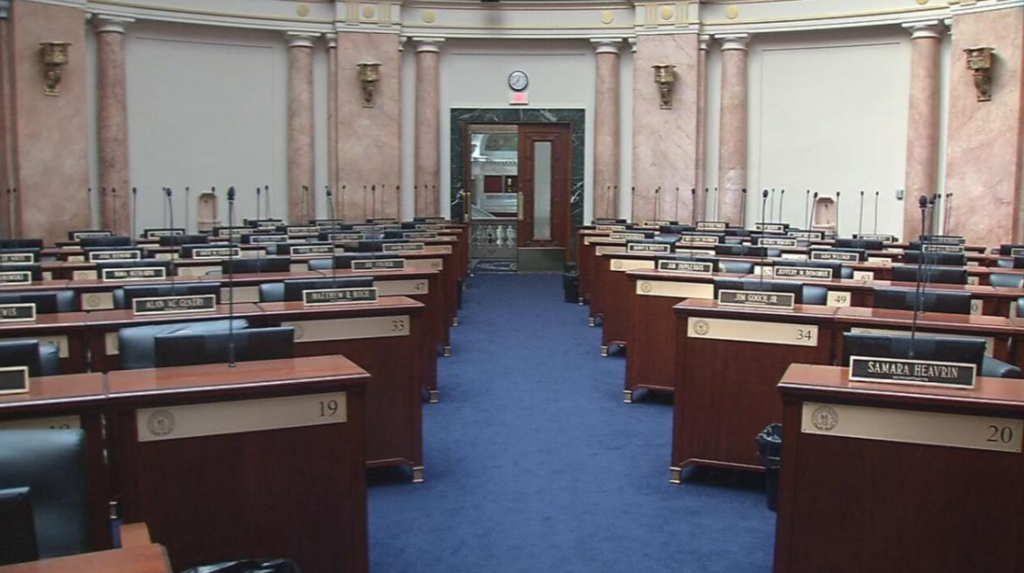
 A lawsuit filed last week in Kentucky challenging the constitutionality of legislation that would give low-income families the financial means to choose the educational tools they need for their children could derail that opportunity before it gets off the ground.
Filed on behalf of public school boards and a group of Kentucky parents, the suit claims that House Bill 563, set to become law at the end of this month, is a scheme to move state revenue through a private grant program, impermissibly funding private schools.
The legislation provides an incentive in the form of a state tax credit to individuals and businesses that make donations to organizations that disperse funds to qualifying students for educational services. The tax credit is capped at $25 million annually.
Qualifying families may earn up to 175% of the federal income threshold for reduced-price lunch, but priority must be given to those most in need, initially those whose income does not exceed the threshold for reduced-price lunch.
The accounts can be used by public and non-public school children for services such as special-needs therapies, tutoring, summer programs, dual college credit courses and other educational services. In counties where the population exceeds 90,000, students also can use the funding for tuition assistance to attend non-public schools.
In response to the lawsuit, the Institute for Justice, a non-profit firm that has defended school choice laws around the country and before the U.S. Supreme Court, has filed a motion to intervene on behalf of parents who support the law.
“The lawsuit’s arguments echo arguments made in many other unsuccessful legal challenges to school choice programs throughout the country,” according to an Institute for Justice news release.
Andrew Vandiver, associate director of the Catholic Conference of Kentucky, said that Kentucky families from both public and non-public schools will be adversely affected if the law is delayed.
“There are parents right now trying to plan their children’s education and now they’re looking at this lawsuit,” Vandiver said. “The stakes are high. There are thousands of students who may not get the help they need next year.”
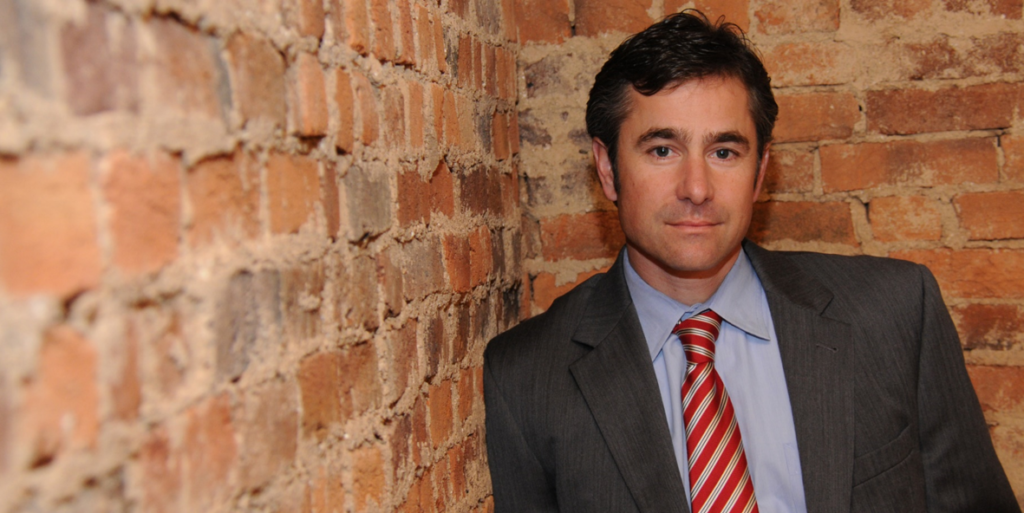 On this episode, Tuthill talks with the majority whip of the Kentucky House of Representatives who carried a landmark education choice bill, HB 563, to passage this legislative session and then participated in an override of a gubernatorial veto. The bill creates a new tax credit funded program in Kentucky called the Education Opportunity Scholarship.
The two discuss the multi-year political struggle to create the program and the power of teacher unions in Kentucky’s rural areas. McCoy shares his conviction that because district schools often are the biggest employer in rural areas, the outsized influence of the unions kept the bill from becoming law until this legislative session.
Tuthill and McCoy also discuss the politics behind Gov. Andy Beshear’s veto and how public school districts are eligible to participate in the program.
"Parents around the state recognized the need across the board ... and their God-given right. (They realized) it is my kid. Why don't I have a choice?"
EPISODE DETAILS:
· HB 563 and what it does for education in Kentucky
· The politics behind the bill and how the realities of COVID-19 helped it finally become law
· The theory of unbundling services and how to create greater equity for families who have less access to resources
· Future legislation and the goals for education choice expansion

Arizona: A former school teacher criticizes the state superintendent of public instruction for his support of Common Core and school choice (East Valley Tribune). The Sierra Vista Herald editorial board says the state superintendent's support of ESAs hurts public schools. Applications for Empowerment Scholarship Accounts doubles (Heartlander). The Arizona Republic editorial board opposes allowing public funding to go to private schools, especially now that the state support for ESAs exceeds the state support for public schools (note: the editorial board's calculation excludes local support for public schools). A consultant at a scholarship organization is indicted for stealing $529,000 in scholarship money (Arizona Republic).
California: Vanila Singh, a professor and physician at Stanford University and congressional candidate, says school choice is the key to student success (Mercury News). The California Charter Schools Association has sued the West Contra Costa School District for withholding tax revenue intended to fund charter schools (Contra Costa Times). Charter schools struggle with online assessments (FSRN Radio).
D.C.: Two charter schools allegedly under federal investigation for possible discrimination say they have never received a complaint from a student or parent (Washington Post). President Obama sends his daughters to Sidwell Friends, an elite private school that refuses to release information on student course completion and graduation rates (Washington Post).
Florida: The tax-credit scholarship expansion will allow the program to serve higher-income families (Education Week, Tampa Tribune, WJHG TV). More low-income families will benefit from the tax-credit scholarship program if the Governor signs the bill into law (Florida Times-Union). The state passes the nation's second education savings account program (Foundation for Excellence in Education). Daphne Cambell (D-Miami-Dade) says she voted to expand the program because giving poor kids more options is the right thing to do (Miami Herald). The Tampa Tribune editorial board says the scholarship expansion is justified because every student deserves to find a school that works well for them. Brian Tilson, owner of a communications firm in Boca Raton, says the scholarships are unpopular and are hurting public schools (Gainesville Sun). Ron Matus, the editor of redefinED, says more progressive Democrats support parental choice (Gainesville Sun). The scholarship program helps families afford Jewish day schools (Chabad News). State Impact talks with Sen. John Legg about the legislative session including the passage of the scholarship bill. Marc Yacht, a retired physician, say charter schools should be more regulated and held to the same standards and rules as traditional public schools (Sun Sentinel).
Georgia: The Southern Education Foundation helps file a suit to overturn the state's tax-credit scholarship program (Watchdog). A former reporter sends her daughter to a charter school and says each school is so different it is difficult to compare them to each other let alone public schools, and that is a good thing (Atlanta Journal Constitution). (more…)
Kansas: Lawmakers are pushing for two new bills, which include recommendations from the National Alliance of Public Charter Schools, to bring the school choice movement to a state with only 15 charter schools (The Topeka Capital-Journal).
Georgia: Proposed legislation looks to cap the state's private-school tax credit program and limit it to students with a financial need (Atlanta Journal Constitution). A parent-trigger bill that paves the way for traditional public schools to convert to charters also gets a nod from legislators (Atlanta Journal Constitution).
 New Hampshire: The House is set to vote on a measure that could end a Board of Education moratorium on charter schools (New Hampshire Union Leader). More from The Telegraph of Nashua.
Tennessee: A $4 million Mathematica study finds KIPP students show significant learning gains in reading, math, science and social studies in the first four years (The Commercial Appeal).
Alabama: State school board members offer mixed reactions following the surprise passage of the Alabama Accountability Act, which gives tax credit scholarships to parents who want to remove their children from failing public schools and enroll them in private schools or a non-failing public school (AL.com). Also, a circuit judge blocked the signing of a controversial bill that created tax credit scholarships (The Anniston Star). (more…)
 Florida: Tony Bennett is selected the state's new education commissioner (redefinED). He tells reporters afterwards that he champions school choice first and foremost because of the social justice component (redefinED). A new group headed by T. Willard Fair, co-founder of the state's first charter school, aims to create a pipeline of black executives and entrepreneurs to help lead private and charter schools (redefinED). The Miami-Dade school district ranks No. 10 in the country for school choice, according to a new report from Brookings (redefinED). A Catholic school in Tampa is at the heart of a University of Notre Dame project to revitalize Catholic schools, particularly for Hispanic students. (redefinED).
Louisiana: Voucher parents are worried in the wake of the legal ruling that puts the program in limbo (advertiser.com). Gov. Bobby Jindal makes a pitch for vouchers at a Brookings Institution event in Washington D.C. (Huffington Post).
Washington: More than 150 teachers, parents and administrators attend a charter school conference in the wake of the successful passage of a charter school ballot initiative (Tacoma News Tribune). (Full disclosure: The conference was sponsored by the Washington Charter School Research Center, which was founded by Jim and Fawn Spady. Fawn Spady chairs the board of directors at the American Center for School Choice, which co-hosts this blog.)
Michigan: The education adviser to Gov. Rick Snyder presents the governor's sweeping public school choice proposal to business and education leaders (Grand Rapids Business Journal). (more…)

