In one Florida city, the push for a charter school came from parents and teachers. In another, from a Democratic mayor. And in yet another, from the commander of one of the nation’s best-known military bases.
Over the past six months alone, at least a half-dozen examples show Florida charter schools picking up enthusiastic support from places that may seem unexpected. In many cases, school boards and teacher unions still oppose charter schools, and there’s no doubt the privatization narrative continues to dog them. But the recent examples suggest parents, local governments and other stakeholders in public education aren’t fazed.

Kara Kerwin
“I definitely think there is a trend,’’ said Kara Kerwin, president of the Center for Education Reform, a Washington, D.C.-based think-tank that is strongly pro school choice. “And I think it’s an eye-opener for local public schools.’’
Florida is a leader in both charter school growth and charter school controversy. It boasts among the highest numbers of charter schools in the nation (more than 600), with the number of students in them nearly doubling in the past five years (to more than 200,000). The rapid growth has fueled constant clashes with school districts, and all the edgy publicity that comes with it.
And yet, the recent examples show no let-up in charter school proposals, and consideration if not support from an increasingly wide array of entities:
Florida’s growing diversity in learning options of all stripes may be fueling further momentum for charter schools, Kerwin said.
In its annual “parent power index,” the Center for Education Reform recently ranked Florida No. 2 in the country for its array of options – from charter schools to online learning to scholarship programs for low-income and disabled students. Including magnet schools, career academies and all other choice options, Florida now has 1.5 million PreK-12 students, or 42 percent, enrolled in something other than traditional neighborhood schools.
“There’s good reason and correlation as to why all of sudden we’re getting new voices and new people,’’ she said. “Parents have access to so many options they never had before. There’s so much going on.’’
The soaring popularity of charter schools might have city leaders and others anxious to jump on the charter school wagon, said Kevin Welner, director of the National Education Policy Center at the University of Colorado in Boulder, which is often critical of school choice programs and policies.
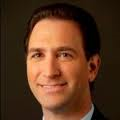
Kevin Welner
But, he warned, charters aren’t necessarily the best option for kids – and proponents should take their time researching the schools.
“There is a great deal of evidence now available about the strengths and weaknesses, as well as actual performance, of charter schools,’’ he said in an email to redefinED. “Some charters are fantastic; others are pretty awful. And while the research base suggests a wash overall, there are real issues about denial of access and stratification that I think the charter school community and society in general should take very seriously.’’

Robin Lake
Robin Lake, director of the Center on Reinventing Public Education in Seattle, Wash., said the move by many municipalities to consider charters is pragmatic. They see charter schools as a way to be responsive to parents’ needs, and to attract families looking for education alternatives, she said.
“Parents don’t care what the school is called,’’ Lake said, “as long as it’s a good school.’’

